Food Manifest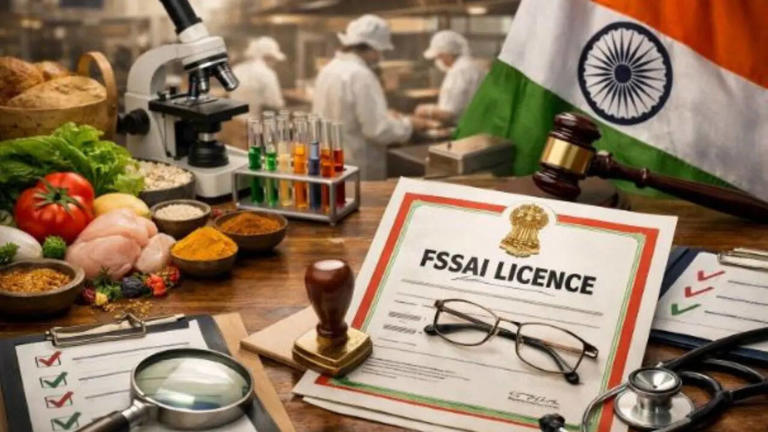
Key Update
India’s food regulator, the Food Safety and Standards Authority of India (FSSAI), has introduced a series of reforms to simplify compliance for food businesses while maintaining strong food safety standards. The Ministry of Health and Family Welfare approved the reforms after consultations with states, union territories, and industry stakeholders. The changes also align with the recommendations of a high-level committee on non-financial regulatory reforms established by NITI Aayog.
FSSAI Introduces Lifetime Validity for Licences
FSSAI will now grant lifetime validity to registrations and licences, eliminating the need for periodic renewals. Earlier, the regulator issued licences for one to five years, after which food business operators had to renew them. FSSAI expects this move to reduce compliance costs, paperwork, and the need for repeated interactions with licensing authorities. The reform will also allow regulators to focus more on monitoring, enforcement, and capacity-building activities.
Government Raises Turnover Threshold for Registration
From April 1, 2026, FSSAI will increase the turnover threshold for basic registration from ₹12 lakh to ₹1.5 crore. Businesses with a turnover of up to ₹50 crore will require state licences, while those exceeding this limit will need central licences. The regulator aims to simplify compliance for micro and small food businesses by reducing paperwork and enabling quicker registrations.
Street Vendors Receive Deemed FSSAI Registration
FSSAI will treat street food vendors registered with municipal corporations or Town Vending Committees as deemed registered under FSSAI. These registrations fall under the Street Vendors (Protection of Livelihood and Regulation of Street Vending) Act, 2014. The move will benefit over 10 lakh street vendors by removing the need for multiple registrations across departments and allowing them to focus on hygiene and business operations.
FSSAI has also introduced a technology-enabled risk-based inspection system. Authorities will prioritise inspections based on factors such as the nature of the food product, the compliance history of food business operators, third-party audit performance, and inputs from enforcement agencies.
Source: The Economic Times