Food Manifest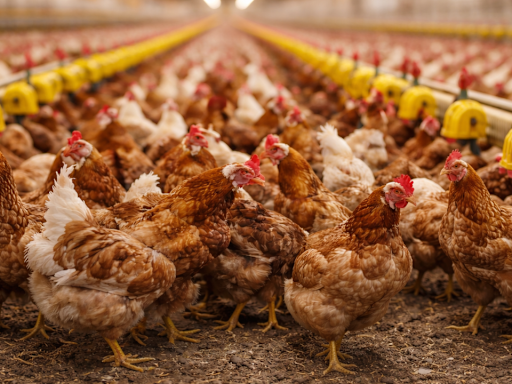
Key Update
Saudi Arabia has banned poultry meat and table egg imports from 40 countries, including India, citing rising concerns over highly pathogenic avian influenza (bird flu). The move could disrupt segments of the global poultry trade, particularly for exporters dependent on the Saudi market. The Saudi Food and Drug Authority (SFDA) announced the measure as a precautionary step to protect public health and safeguard the Kingdom’s food supply chain.
Authorities identified the affected countries through international disease surveillance data and risk assessments linked to avian influenza outbreaks. Officials stressed that strengthening biosecurity remains a top priority as global bird flu cases continue to surface.
Processed Products May Still Enter
The ban applies specifically to raw poultry meat and table eggs. However, Saudi Arabia has not suspended all poultry-related imports. The SFDA clarified that fully processed and heat-treated poultry products may still enter the country if exporters comply with stringent health standards. Shipments must carry certified veterinary documentation and originate from facilities approved by Saudi regulators. Authorities will also require adequate heat treatment to eliminate avian influenza and other pathogens. Inspectors will subject all consignments to rigorous checks before clearing them for entry.
Impact on India and Global Trade
For India and other affected nations, the restrictions may temporarily disrupt poultry and egg exports to Saudi Arabia. Industry stakeholders are assessing the financial implications and reviewing compliance procedures to align with updated Saudi import norms. In addition to the 40-country ban, Saudi Arabia has imposed partial restrictions on specific regions in 16 other countries, including the United States, Australia, France and Canada. Regulators based these targeted curbs on localised outbreak assessments rather than nationwide risk levels.
Part of a Broader Biosecurity Push
Since 2003, avian influenza outbreaks have affected poultry and wild bird populations across Asia, Africa and Europe. While the virus primarily infects birds, certain strains have occasionally infected humans, prompting governments to tighten preventive measures. Saudi Arabia’s latest action reflects a broader global trend toward stricter biosecurity controls as countries seek to protect public health and secure their food systems against infectious animal diseases.