Food Manifest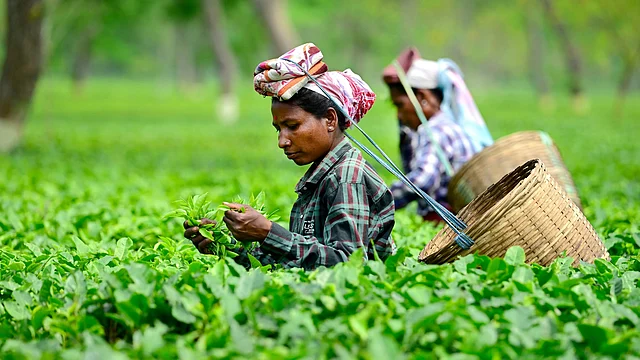
Key Update
To rein in rising tea imports and safeguard quality, the Tea Board of India has directed that all imported tea consignments will undergo mandatory testing from May 1. Authorities will conduct these checks as per the standard operating procedure (SOP) issued by the board.
Rising Imports Raise Industry Concerns
India imported 39 million kg of tea in 2025, one of the highest volumes recorded in recent years. In 2024, imports had climbed even higher to 45 million kg between January and December. Importers sourced tea largely from Kenya, Nepal, Vietnam, Iran, the UK, China, Argentina, Indonesia, Sri Lanka and Tanzania. Kenya accounted for the largest share.
As imports surged, industry bodies and growers began voicing concerns about quality, price pressure, and possible misuse. The Indian Tea Association and small tea growers have repeatedly raised concerns about the issue.
Industry Welcomes Quality Safeguards
Bijoy Gopal Chakraborty, president of the Confederation of Indian Small Tea Growers Association (CISTA), welcomed the directive. He said the mandatory testing and SOP would prevent poor-quality, non-FSSAI-compliant tea from entering India and discourage the blending of imported tea for re-export. According to industry representatives, stricter checks will also create a level playing field for domestic producers who comply with Indian food safety standards.
Focus on Transparency and Export Credibility
Tea exports to Iraq and the UAE have increased significantly in recent years. At the same time, experts have pointed out that some imported tea was allegedly blended and re-exported, raising concerns about traceability and brand integrity. Earlier, a parliamentary standing committee had called for tighter monitoring, citing the risks of adulteration and reputational damage.
The committee recommended mandatory labelling and clear source declarations for all blended or re-exported teas. It also urged Customs-linked surveillance at ports, regular market audits, and systematic sample testing at retail outlets to protect the reputation of Indian-origin tea and maintain consumer trust in global markets.
Source: The Times of India