Food Manifest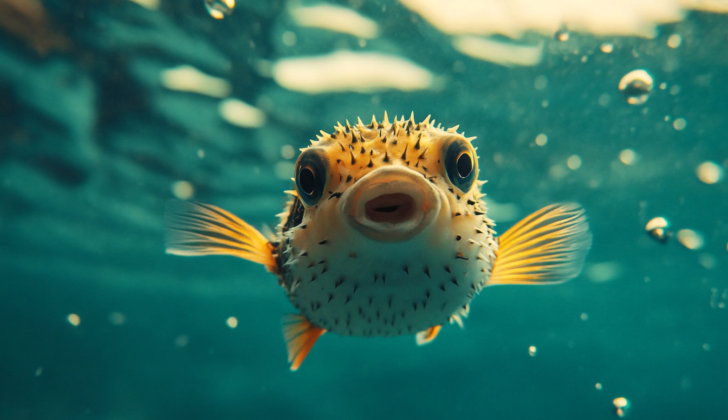
Key Update
Food safety officials and doctors investigating the seafood-related illnesses in Vizhinjam now suspect tetrodotoxin (TTX) as the possible cause. TTX is a naturally occurring and highly potent marine neurotoxin. Investigators identified fish roe as the common factor among those who fell ill. Every hospitalised patient had consumed the roe, while others at the same restaurant — including members of the same dining groups who avoided it — remained unaffected. This clear pattern has strengthened suspicions that the roe carried the toxin.
Two Deaths, Multiple Hospitalisations
On February 16, three members of a six-member family fell critically ill after eating seafood at the restaurant. Two died within hours. In the days that followed, six more diners who ate there that night reported severe symptoms. Doctors admitted two patients to the Government Medical College Hospital, Thiruvananthapuram, while others received treatment at private hospitals in the city.
Food safety teams ruled out spoilage and bacterial contamination. They shifted their focus to marine toxins, especially after authorities recently detected ciguatoxin in red snapper sourced from Tamil Nadu. This context prompted a deeper examination of toxin-related contamination.
Understanding Tetrodotoxin (TTX)
Tetrodotoxin ranks among the most powerful neurotoxins known. It remains heat-stable, so cooking does not destroy it. Scientists commonly associate TTX with puffer fish, particularly in the liver and ovaries, where toxin levels are highest. Fish roe can therefore contain dangerous concentrations. TTX has no known antidote. Once ingested, it can cause numbness, rapid paralysis, respiratory failure, and, in severe cases, death within hours. Although researchers initially believed TTX existed only in the puffer fish family, later studies detected it in several other marine and even terrestrial species.
Sourcing and Ongoing Investigation
Officials learned that the Vizhinjam restaurant sourced the fish roe from Muttom in Tamil Nadu the day before serving it. The roe reportedly came from mixed fish species rather than a single type. Kerala authorities have alerted Tamil Nadu food safety officials and requested toxicology testing of roe samples. Investigators could not collect samples of the cooked dish or raw seafood consumed that night, which limits direct confirmation. However, the illness pattern strongly indicates the roe as the likely source. Authorities now await chemical analysis results from post-mortem samples, which will confirm the exact cause of death.