Food Manifest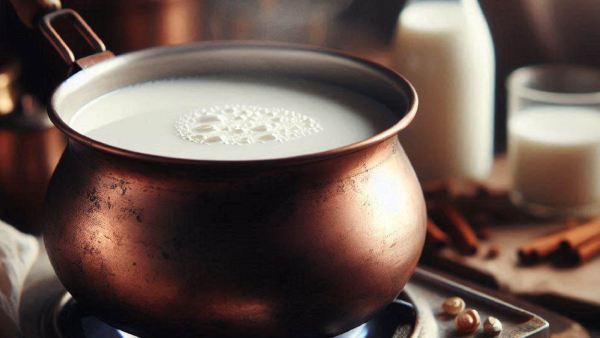
Overview
For generations, boiling milk the moment it enters the kitchen has been a daily ritual in many Indian homes. But a recent video by orthopaedic and sports medicine specialist Dr Manan Vora questions whether this habit still serves a purpose in today’s food safety landscape.
Pasteurised Milk Is Already Safe
Packet milk today is pasteurised, meaning dairies heat it to high temperatures to destroy harmful bacteria before packaging. This same method is used worldwide to make milk safe without the need for additional boiling. Before reaching consumers, the milk also undergoes filtration, microbial testing, temperature checks, and cold-chain transportation, ensuring safety throughout the supply chain.
Boiling Doesn’t Add Safety — It Reduces Nutrition
Dr Vora explains that once milk is pasteurised, boiling it again does not make it safer. Instead, repeated or vigorous boiling can degrade:
- B vitamins like B12 and folate
- Heat-sensitive whey proteins
- Certain fatty acids
Boiling also changes flavour, giving milk a slightly burnt taste that many assume is normal.
Milk Is Already a Nutrient-Rich Food
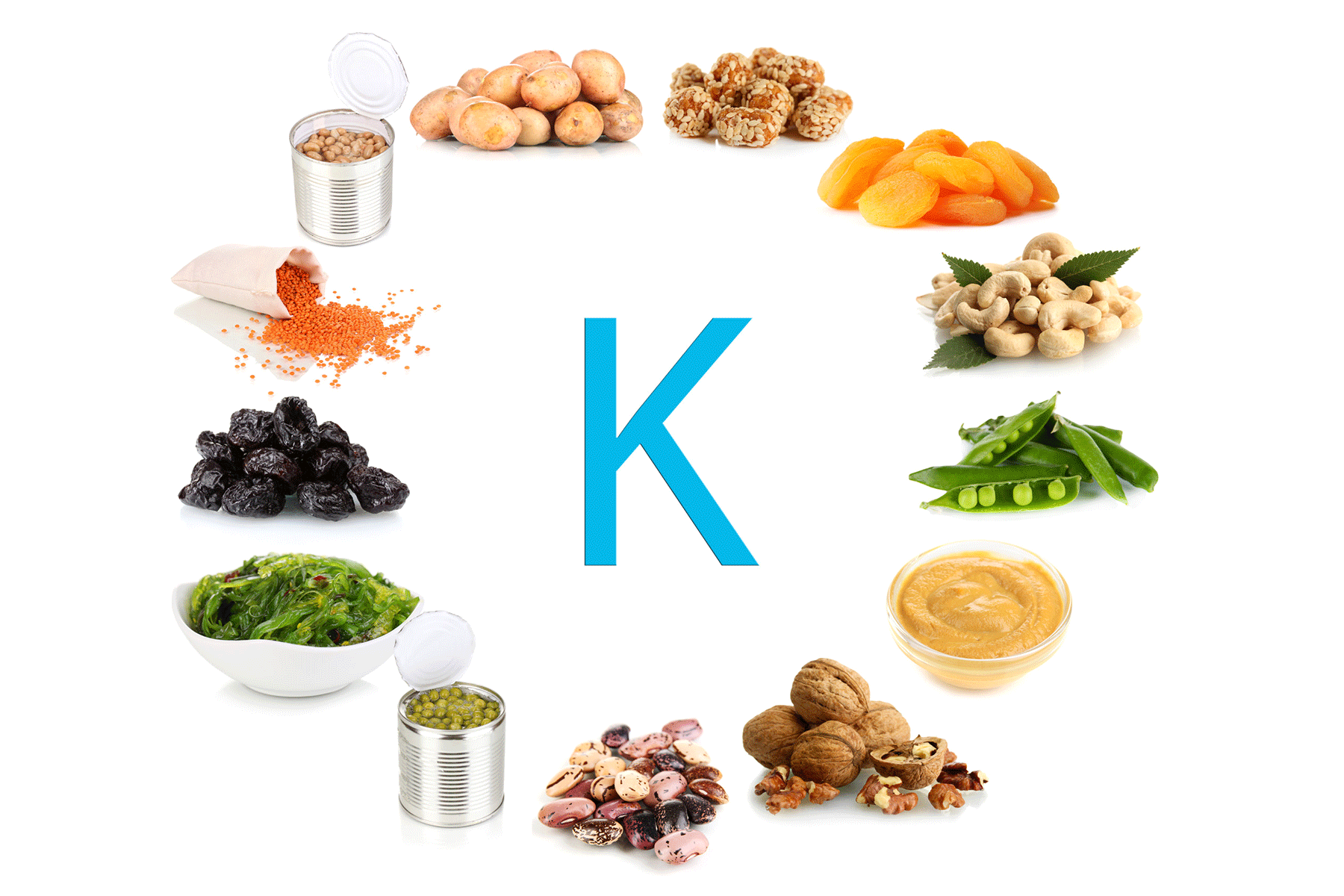
Milk naturally provides complete proteins and essential nutrients such as calcium, vitamin D, potassium, phosphorus and magnesium. Experts note that while boiling doesn’t destroy everything, any nutrient loss is unnecessary when the milk is already safe to consume. Many families continue boiling packet milk not just for safety, but for malai, homemade ghee, or simply out of tradition. Others fear supply chain gaps—like fluctuating temperatures or delayed deliveries—which fuel mistrust even though pasteurisation is designed to address these concerns.
The Informed Choice
Dr Vora emphasises awareness over abandoning tradition. If your milk packet is sealed, cold, unbloated, within date, and from a reliable source, vigorous boiling is unnecessary. Pasteurisation already ensures microbial safety long before the packet enters your home.
Source: The Times of India