Food Manifest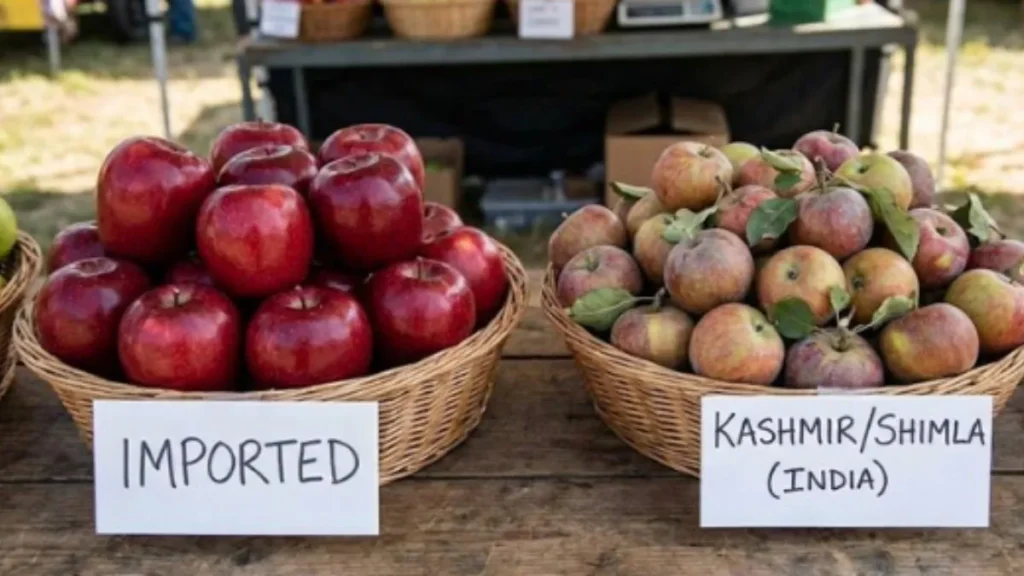
Key Development
Walk into any supermarket in India and you will see apples labelled “imported” or “premium,” often sold at higher prices. Many consumers assume that a higher price means better nutrition. But that assumption does not always hold. Dr Sudhir Kumar, a neurologist based in Hyderabad, advises consumers to look beyond glossy packaging and brand tags. He says the real factors that determine an apple’s nutritional value are where it is grown and how quickly it reaches your plate.
Storage Time Affects Nutrient Levels
Export-quality apples often remain in controlled-atmosphere storage for months. Producers regulate oxygen and temperature levels to maintain their appearance and firmness. While this process keeps apples looking fresh, it does not fully prevent nutrient loss. Vitamin C, in particular, degrades over time. Research shows that apples can lose 40–85% of their vitamin C during prolonged storage and transit. By the time imported apples reach retail shelves, they may contain significantly lower levels of this key nutrient.
In contrast, apples grown in India’s Himalayan regions — especially Himachal Pradesh and Kashmir — usually reach markets faster after harvest. Shorter storage periods help preserve more of their natural nutrients.
Local Apples Offer Strong Antioxidant Benefits
Dr Kumar also highlights the antioxidant content of Indian apples. They contain beneficial plant compounds such as quercetin, phloridzin and catechin, which support heart health and help maintain stable blood sugar levels. The deep red colour seen in many Himachali and Kashmiri apples indicates the presence of anthocyanins, powerful antioxidants that protect cells from oxidative stress.
Consider the Bigger Picture
Imported apples travel thousands of kilometres before reaching Indian stores. This long supply chain increases food miles and carbon emissions. Suppliers may also apply wax coatings and other treatments to enhance shelf appeal. These measures improve appearance but do not enhance nutritional value. When consumers choose locally grown apples, they often get fresher produce while supporting Indian farmers and local economies.
A Simple Takeaway
Dr Kumar sums it up clearly: eating an apple daily benefits health, but choosing a fresh, locally grown apple may offer greater nutritional value. Instead of relying on price tags or imported labels, consumers can prioritise seasonal apples grown closer to home. Freshness, not branding, plays the most important role in preserving nutrients and overall quality.
Source: India TV