Food Manifest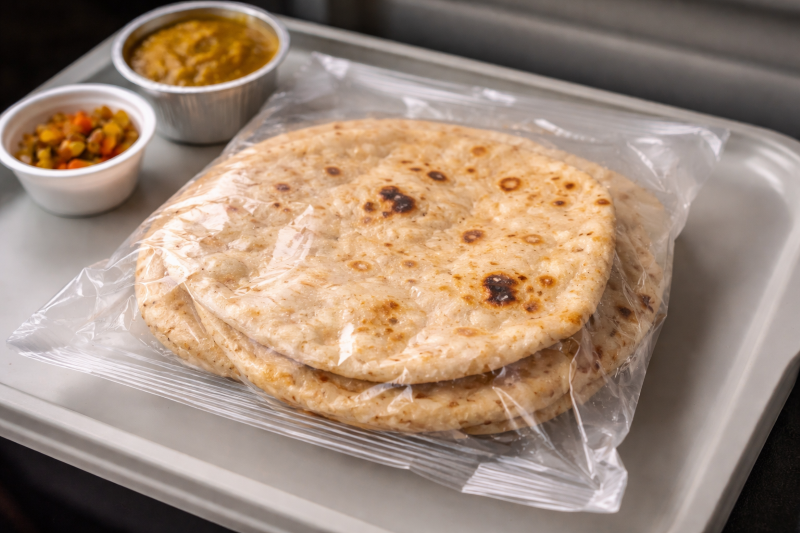
The recent controversy over food served on Vande Bharat Express and Rajdhani Express has opened up a serious food safety discussion. A passenger alleged that rotis and kachoris were served piping hot while still sealed inside a plastic packet that did not mention microwave safety. A staff member reportedly confirmed that the food was heated without opening the packaging. The incident quickly went viral and sparked public debate. But this issue is not just about one train journey. It is about transparency, packaging validation, and accountability in mass catering.
Food-Grade Does Not Automatically Mean Heat-Safe
Many people assume that if a plastic packet is labelled “food-grade,” it is safe under all conditions. That is not true. Food-grade plastic simply means the material is safe for storing food under normal conditions. It does not automatically mean the plastic can withstand microwave or high-temperature heating. If a vendor heats food inside a sealed packet, that packet must be specifically certified for in-pack heating. It must undergo proper migration testing. This test checks whether any chemicals move from the plastic into the food when exposed to heat. Without clear “microwave-safe” or heat-use labelling, consumers are left guessing.
Why In-Pack Heating Raises Concerns
When catering services heat food inside plastic packaging, they expose the material to thermal stress. Repeated heating, especially at high temperatures, can increase the risk of chemical migration. Some plastics — particularly those classified under mixed or “other” categories — may contain additives. Under heat, certain compounds can leach into food. In large-scale catering systems like those run by Indian Railway Catering and Tourism Corporation, even a small compliance gap can affect thousands of passengers daily. That is why clarity matters.
The Transparency Gap
IRCTC responded by stating that the packaging was suitable “as per prevalent temperature standards” and safe for consumption. However, it did not publicly clarify:
- Whether the packets are certified for microwave or in-pack heating
- What maximum temperature they can tolerate
- Whether migration testing reports are available
- Whether vendors must submit packaging compliance certificates
In public food systems, technical assurance should come with visible documentation. When authorities provide only general statements, consumers begin to doubt. Clear labelling and public disclosure would have quickly ended the speculation.
Vendor Oversight and Standardisation
Railway catering operates through multiple vendors across regions. This model requires strong oversight. Authorities must ensure that:
- All packaging meets heat-resistance standards
- Vendors use only validated, certified materials
- Staff receive training on correct reheating practices
- Audits include packaging safety checks
If rotis are routinely heated inside sealed packets, the system must formally approve that method and document it. Premium trains promote speed, comfort, and modern service. Food safety standards should reflect that same level of professionalism.
The Larger Repercussions
Incidents like this can damage public trust quickly. In today’s digital environment, one viral video can raise nationwide questions. Passengers now expect:
- Clear microwave-safe markings
- Safer, heat-stable packaging
- Greater transparency in catering standards
This debate may push railway authorities to review packaging guidelines and improve communication. It may also encourage regulators to tighten norms around in-pack heating in institutional catering.
The Core Issue: Trust
This episode is no longer about a single packet of rotis. It is about whether India’s largest public catering network is ready to meet rising consumer awareness around plastic safety, chemical migration, and transparent labelling. When institutions act proactively and communicate clearly, they build trust. When they respond vaguely, they invite doubt. In mass food service, safety must not only exist — it must be visible.