Food Manifest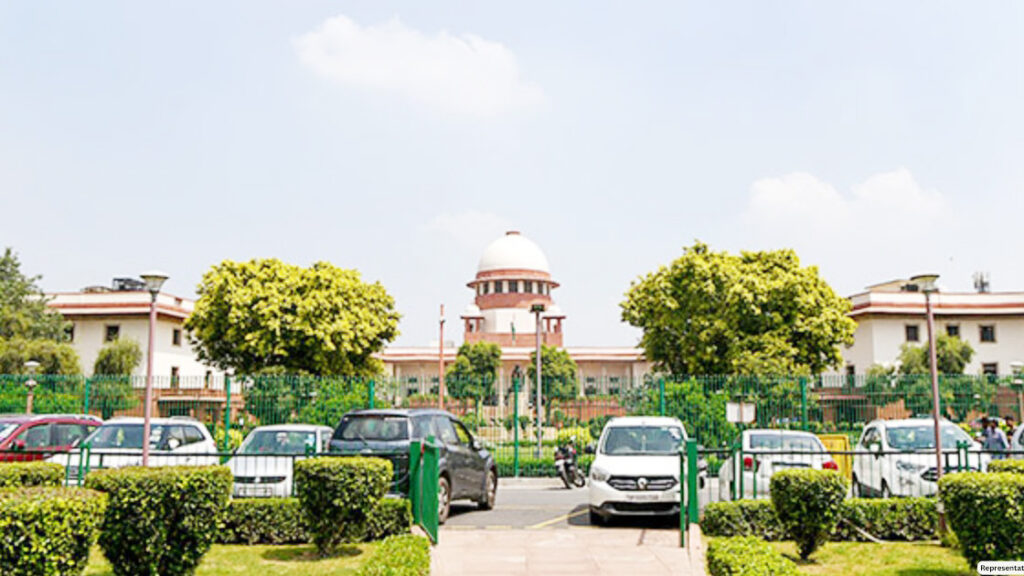
Key Update
The Supreme Court (SC) of India has issued notices to the Central Government, the Food Safety and Standards Authority of India (FSSAI), the Comptroller and Auditor General (CAG), and the Ministry of Consumer Affairs, Food and Public Distribution while hearing a Public Interest Litigation (PIL) seeking stronger food safety enforcement in India. A bench comprising Justice Vikram Nath and Justice Sandeep Mehta heard the matter and directed the concerned authorities to respond to the petition.
Petition Calls for Systemic Reforms
Dr Anirudha Narayan Malpani filed the PIL under Article 32 of the Constitution, seeking systemic reforms to strengthen the implementation of the Food Safety and Standards Act (FSS Act), 2006. The petition argues that authorities must address several long-standing issues that weaken food safety enforcement nationwide. These include inadequate penalties, shortages of Food Safety Officers, weak inspection mechanisms, insufficient laboratory infrastructure, delays in adjudication, and poor recovery of penalties.
Demand for Stronger Penalties
A key demand in the petition is the introduction of turnover-based penalties for businesses that manufacture or sell unsafe and adulterated food. The petitioner argues that the current penalty structure does not effectively deter violations, particularly among large food businesses, as the existing fines remain relatively low compared to their revenues.
Five Key Concerns Raised
The petition highlights five major shortcomings in the current food safety framework:
- Weak penalty provisions that fail to deter violations effectively
- Inadequate food testing laboratories and outdated infrastructure
- Severe shortages of Food Safety Officers and enforcement personnel
- Fraudulent licensing practices and weak inspection systems
- Delays in adjudication and poor recovery of penalties
CAG Report Highlights Persistent Gaps
The petition relies heavily on the CAG’s 2017 Performance Audit Report, which identified significant gaps in the implementation of the Food Safety and Standards Act. The report highlighted shortages of Food Safety Officers, non-functional laboratories, incomplete testing of food samples, issuance of licences without proper verification, delays in adjudication, and ineffective enforcement mechanisms.
Focus on Public Health and Consumer Protection
The case comes at a time when concerns about food adulteration, contamination, misleading labelling, and the safety of packaged food products continue to grow. By seeking responses from the concerned authorities, the Supreme Court has brought renewed attention to the effectiveness of India’s food safety regulatory framework. The outcome of the case could influence future discussions on regulatory accountability, enforcement capacity, and consumer protection in the country’s food sector. The Court has currently sought responses from the respondents and has not expressed any opinion on the merits of the case.
Source: The New Indian Express