Food Manifest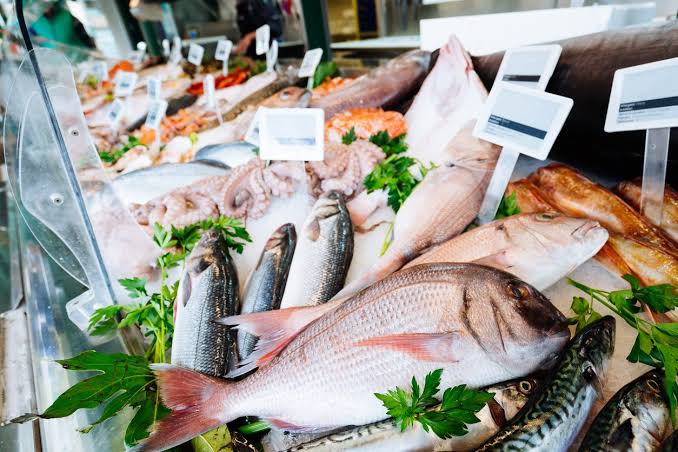
Fish is one of the healthiest foods you can add to your diet. It provides high-quality protein, omega-3 fatty acids, vitamins, and essential minerals that support heart, brain, and overall health. However, fish is also one of the most perishable foods you can buy. Unlike many other proteins, it begins to lose freshness soon after it is caught. If you do not store it properly, bacteria can multiply quickly, increasing the risk of foodborne illness and affecting its taste and texture. Fortunately, keeping fish fresh and safe does not require complicated techniques. By following a few simple storage practices, you can preserve its quality, reduce food waste, and protect your family’s health.
Start with Fresh Fish
Safe storage begins before you leave the market. The quality of the fish you buy determines how well it will keep at home.
When choosing whole fish, look for bright, clear eyes, shiny skin, and firm flesh that springs back when gently pressed. The gills should appear bright red or pink, and the fish should have a clean, fresh smell similar to the sea.
If you are buying fillets or steaks, choose pieces that look moist, firm, and evenly coloured. Avoid fish that appears dull, feels slimy, or gives off a sour or ammonia-like odour. Excess liquid inside the packaging may also indicate that the fish is no longer at its best.
Buying from a reputable vendor who maintains proper refrigeration is equally important. Fresh fish handled under hygienic conditions remains safer and retains its quality longer.
Keep It Cold from the Store to Home
Once you purchase fish, time and temperature become critical. Fish should remain cold throughout the journey home to slow bacterial growth and preserve freshness.
If your trip home takes more than 30 minutes, especially during warm weather, carry the fish in an insulated bag or cooler with ice packs. When shopping for multiple items, buy fish last so it spends as little time as possible outside refrigeration.
As soon as you reach home, refrigerate or freeze the fish without delay.
Store Fish Properly in the Refrigerator
Refrigeration keeps fish safe only when you maintain the correct temperature. Store fresh fish at 0°C to 4°C, preferably in the coldest part of the refrigerator rather than in the door, where temperatures fluctuate each time it opens.
Place the fish in a clean, leak-proof container to prevent juices from dripping onto other foods. If possible, rest the container on a layer of crushed ice and replace the ice as it melts. This extra step helps keep the fish colder and fresher.
Cook refrigerated fish within one to two days. If you cannot use it within that time, freeze it rather than leave it in the refrigerator.
Freeze Fish the Right Way
Freezing extends the shelf life of fish while preserving its quality. However, proper packaging plays a key role in preventing freezer burn and moisture loss.
Before freezing, pat the fish dry with a clean paper towel. Wrap it tightly in plastic wrap or freezer paper, then place it inside an airtight freezer bag or container. Remove as much air as possible before sealing the package and label it with the freezing date.
Keep your freezer at −18°C or below. Although frozen fish remains safe when stored continuously at this temperature, its texture and flavour gradually decline over time. Using frozen fish within the recommended storage period provides the best eating experience.
Thaw Fish Safely
The way you thaw fish matters just as much as the way you store it.
Never leave frozen fish on the kitchen counter to thaw. As the surface warms, bacteria can grow rapidly even while the centre remains frozen.
Instead, thaw fish overnight in the refrigerator whenever possible. If you need it sooner, place the sealed package under cold running water or use the microwave’s defrost setting and cook the fish immediately afterwards.
Once thawed, do not refreeze raw fish unless you cook it first.
Prevent Cross-Contamination
Proper storage also means preventing harmful bacteria from spreading to other foods.
Keep raw fish separate from foods that are ready to eat, such as fruits, salads, and cooked dishes. Store it on the lowest refrigerator shelf so that any accidental drips cannot contaminate other items.
Use separate cutting boards and knives for raw seafood, and wash your hands thoroughly with soap and water before and after handling fish. Clean and sanitise countertops, sinks, and utensils immediately after use.
These simple habits help keep your kitchen safe and reduce the risk of foodborne illness.
Know When to Throw It Away
Even with proper refrigeration, fish does not stay fresh forever. Learning to recognise spoilage can help prevent illness.
Discard fish if it develops a strong sour or ammonia-like smell, feels sticky or excessively slimy, or becomes unusually soft. Discolouration, damaged packaging, or visible mould are also clear warning signs.
When in doubt, do not taste the fish to check whether it is safe. Throwing away spoiled fish is always safer than risking food poisoning.
Cook Fish Thoroughly
Safe storage should always be followed by safe cooking.
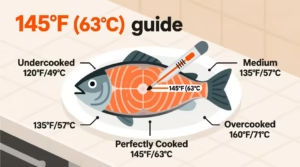
Cook fish until the flesh becomes opaque and flakes easily with a fork. For most species, the thickest part should reach an internal temperature of 63°C.
Avoid partially cooking fish with the intention of finishing it later. Continuous cooking helps ensure that harmful bacteria are destroyed.
A Quick Fish Storage Checklist
Before preparing seafood, remember these essential steps:
- Buy fish from a trusted source.
- Keep it cold during transport.
- Refrigerate immediately at 0°C–4°C.
- Cook fresh fish within one to two days.
- Freeze at −18°C or below if storing for longer.
- Thaw safely in the refrigerator or under cold running water.
- Prevent cross-contamination by keeping raw fish separate from ready-to-eat foods.
- Discard fish that smells unpleasant, feels slimy, or shows signs of spoilage.
The Bottom Line
Fish offers exceptional nutritional benefits, but its safety depends on how you handle it after purchase. Every step—from selecting fresh fish and maintaining the cold chain to storing, thawing, and cooking it correctly—helps preserve quality and minimise the risk of foodborne illness.
Making safe fish storage a routine habit not only protects your health but also reduces food waste and ensures that every seafood meal is fresh, flavourful, and safe to enjoy.