Food Manifest
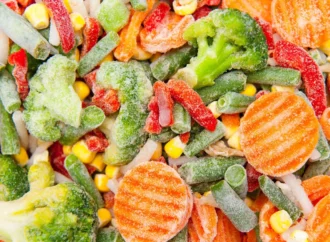
Have you ever taken meat, vegetables or other frozen foods out of the freezer and noticed dry, pale or discoloured patches? You may be seeing freezer burn. Despite its name, freezer burn does not mean that food has been burned or is automatically unsafe to eat. Instead, it occurs when frozen food loses moisture through exposure to cold, dry air, affecting its texture, appearance and flavour. While freezer burn mainly affects food quality, proper freezing, storage and handling remain important for safety. Understanding why freezer burn happens and how to prevent it can help you protect the quality of your frozen foods.
What Is Freezer Burn?
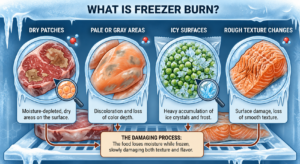
Freezer burn occurs when frozen food loses moisture to the cold, dry air inside the freezer. When food is not properly wrapped or sealed, moisture can escape from its surface and form ice crystals. Over time, this moisture loss can leave parts of the food dry, leathery, shrivelled or discoloured. Meat and poultry may develop pale or greyish-brown patches, while vegetables and other foods can also show changes in texture and appearance. Freezer burn can happen even when you store food at the recommended freezing temperature if the packaging allows air to reach the food.
Does Freezer Burn Make Food Unsafe?
Not necessarily.
Freezer burn itself does not make food unsafe. It mainly reduces quality by causing moisture loss and changes in texture and flavour. However, freezer burn does not guarantee that the food has been stored safely. You should also consider how long the food has been frozen, whether it remained continuously frozen, and whether you handled it safely before freezing. Food that has thawed and remained at unsafe temperatures can become hazardous regardless of whether it shows freezer burn.
What Causes Freezer Burn?
Several factors can increase the risk of freezer burn:
Air Exposure
Loose or damaged packaging allows cold, dry freezer air to come into contact with the food. The longer the food remains exposed, the greater the moisture loss.
Poor Packaging
Thin wrapping, poorly sealed bags or containers with excess air can allow moisture to escape. Packaging designed for freezing provides better protection.
Long-Term Storage
The longer food remains frozen, the more opportunity it has to lose moisture, especially when the packaging does not provide an adequate barrier.
Temperature Fluctuations
Repeated temperature changes can cause ice crystals to melt and reform. This can increase moisture loss and affect food quality.
Can You Still Eat Freezer-Burned Food?
In many cases, yes, if the food has remained properly frozen and was safe before freezing. Freezer-burned areas may taste dry or have an unpleasant texture. You can remove severely affected portions before cooking, although this will not restore the original quality of the food. For example, a piece of meat with a small freezer-burned patch may still be usable after trimming the affected area. However, if the food has an unusual odour after thawing, signs of spoilage or evidence that it was improperly stored or repeatedly thawed and refrozen, it is safer to discard it.
How Can You Prevent Freezer Burn?
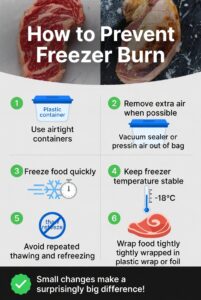
Use Airtight Packaging
Wrap food tightly in suitable freezer-safe packaging and remove as much excess air as possible before sealing.
Choose Appropriate Containers
Use airtight freezer containers or bags designed for freezing. Avoid leaving large amounts of space around the food.
Label and Date Frozen Food
Write the name and freezing date on packages. This helps you keep track of storage time and use older items first.
Keep the Freezer at the Right Temperature
Keep your freezer at 0°F (-18°C) or below. A stable temperature helps maintain frozen food quality and prevents unnecessary temperature fluctuations.
Avoid Repeated Thawing and Refreezing
Plan portions before freezing so you can take out only what you need. Repeated temperature changes can affect both quality and safety.
Freezer Burn vs Food Spoilage
Freezer burn and food spoilage are not the same thing.
Freezer burn usually appears as dry, discoloured or shrivelled areas caused by moisture loss. It mainly affects quality.
Food spoilage, on the other hand, can involve unpleasant odours, sliminess, mould or other changes caused by microbial growth or deterioration. If food has been improperly stored or has thawed and remained at unsafe temperatures, it can become unsafe even without visible freezer burn.
Therefore, don’t use freezer burn alone to decide whether food is safe to eat. Consider the food’s storage history and condition as well.
The Bottom Line
Freezer burn can make frozen food look less appealing, but it does not automatically make the food unsafe. It mainly causes moisture loss and changes in texture and flavour. You can prevent freezer burn by using proper packaging, limiting air exposure, maintaining a stable freezer temperature and following good storage practices. However, don’t rely on appearance alone when assessing food that you have improperly stored or thawed. Always consider how you handled and stored the food before deciding whether to eat it. Proper handling and temperature control help keep frozen food safe from storage to cooking.