Food Manifest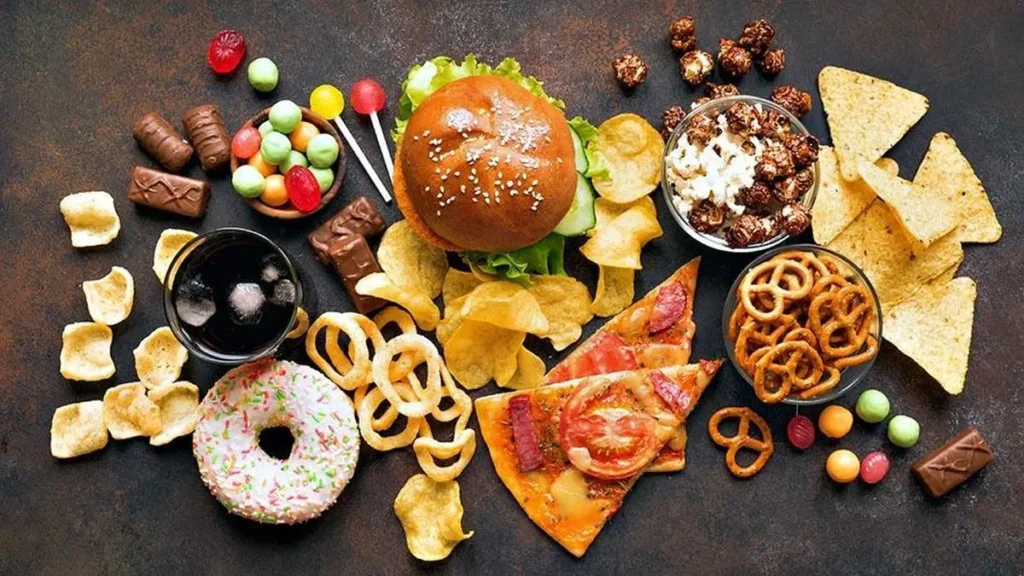
Overview
India is considering restrictions on the sale of high-fat, high-salt and high-sugar (HFSS) foods within 50 metres of schools, aiming to reduce children’s exposure to unhealthy foods as childhood obesity rises. The proposed rules would apply not only to school canteens but also to nearby shops, restaurants and food stalls, potentially affecting businesses around India’s nearly 1.5 million schools.
What Would Be Restricted?
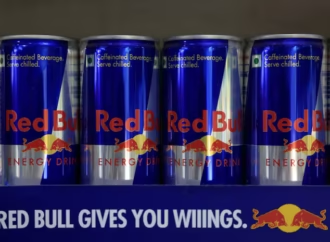
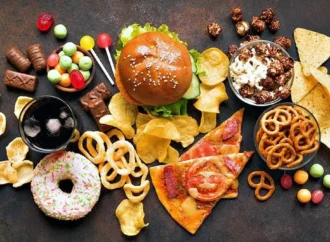
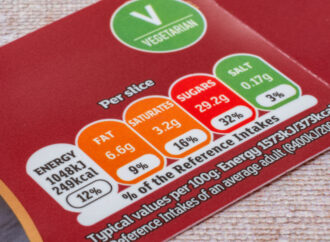
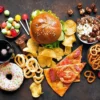
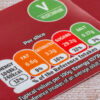
The proposal would cover products that exceed prescribed HFSS thresholds, including sugary drinks, chips, chocolates, fried snacks, samosas, pizzas and burgers. The move could put additional pressure on major companies such as PepsiCo, Coca-Cola, Mondelez and Nestlé, which already face proposed warning labels for products high in fat, salt and sugar. At the same time, retailers that depend on student footfall are concerned about the potential impact. In Bhubaneswar, shopkeepers told Reuters that sales could fall by a third or more if the restrictions take effect.
Changing Children’s Food Habits
The proposal forms part of the Food Safety and Standards Authority of India’s (FSSAI) “safe food” schools initiative, which aims to encourage healthier eating habits among children. FSSAI Chief Executive Officer Rajit Punhani said the focus is on discouraging children from regularly consuming HFSS foods and helping them develop healthier habits early. He also said businesses could continue selling foods that do not fall under the proposed restrictions. FSSAI published HFSS thresholds in August 2026 and is accepting public comments until October 6. However, there is currently no fixed timeline for implementing the proposed restrictions, which were first suggested in 2020.
Childhood Obesity Adds Urgency
The proposal comes as packaged snacks and fast food become increasingly common across India. At the same time, childhood obesity is rising. World Obesity Federation data cited by Reuters shows that the number of Indian children aged 5–19 who were overweight or obese increased from 28 million in 2015 to 41 million in 2025. The figure could reach 56 million by 2040.
Maharashtra Already Takes a Tougher Line
While the central proposal focuses on restricting HFSS sales and advertising to schoolchildren, Maharashtra has taken a stricter approach. State Food Safety Commissioner Tukaram Mundhe said shops within 50 metres of schools cannot stock HFSS products, making enforcement less dependent on determining whether the buyer is a student. State data cited by Reuters shows that inspectors found violations at 133 shops within 50 metres of schools and ordered 51 to stop trading.
Industry Pushes Back
Food businesses and trade groups have raised concerns that the restrictions could hurt small retailers, particularly in crowded markets where shops near schools also serve the wider community. The Confederation of Indian Food Trade and Industry argued that the restrictions should apply only within school premises, warning of potential losses to businesses and livelihoods. However, regulators say the rules could also encourage manufacturers to reformulate products and offer healthier alternatives.
A Growing Global Trend
India’s proposal follows similar measures in other countries. Chile, for instance, introduced warning labels and restrictions on the sale and promotion of junk food in schools in 2016. A recent Lancet study found that exposure to Chile’s measures for 18 months reduced the probability of excess weight among children, highlighting the potential impact of stronger food policies.
For India, the proposed 50-metre rule could therefore change not just what children buy at school, but also what food businesses choose to sell and how manufacturers formulate their products.
Source: Outlook