Food Manifest
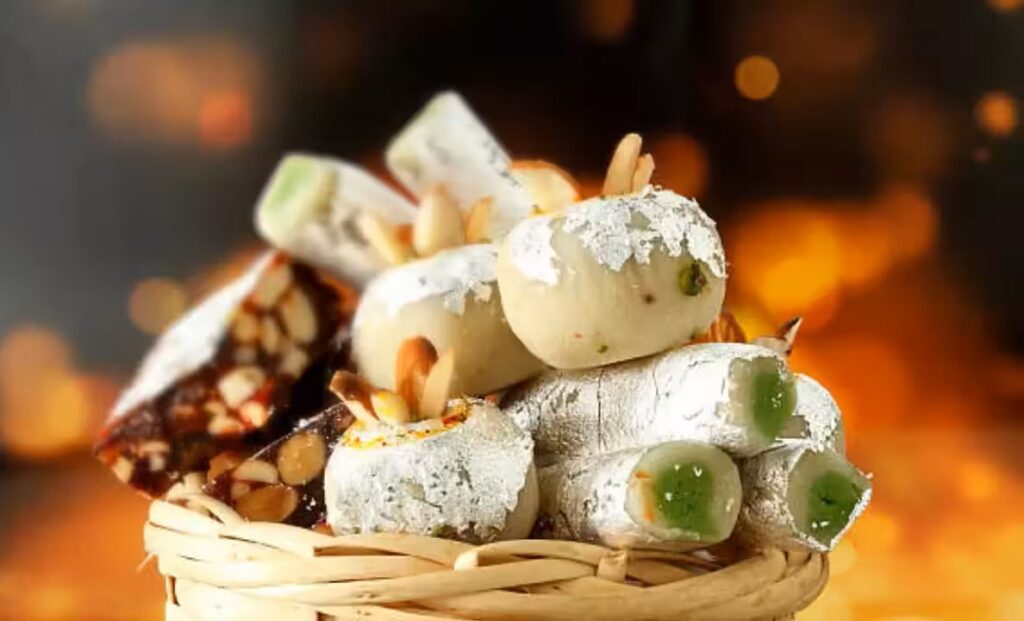
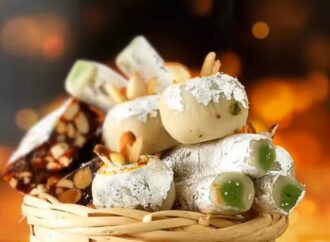
Silver leaf gives Indian sweets their familiar festive shimmer, but is that sparkling coating always what it claims to be? From kaju katli and barfi to peda and other traditional delicacies, edible silver leaf adds a distinctive finish to popular treats. However, some manufacturers may use cheaper aluminium foil in place of genuine silver, raising concerns about food adulteration. Ahead of Diwali 2026, the Maharashtra Food and Drug Administration (FDA) advised consumers to check the authenticity of silver leaf and shared a simple test to identify possible substitutes. But how reliable is this test, what standards must edible silver meet, and what should consumers look for before buying silver-decorated sweets?
A Simple Test to Identify Fake Silver Leaf
According to the Maharashtra FDA, genuine silver leaf dissolves when rubbed between the fingers, whereas aluminium foil tends to roll into a small ball. Consumers can use this method as a preliminary check when examining sweets decorated with metallic coatings. However, the test cannot conclusively establish the material’s authenticity or purity. Laboratory analysis remains necessary to identify its composition and confirm whether it meets food safety standards. The concern stems partly from the price difference between the two metals. Silver costs considerably more than aluminium, which may tempt unscrupulous manufacturers to substitute cheaper foil while selling the sweets as silver-decorated products. Such practices can mislead consumers and compromise food safety.
What Makes Silver Leaf Edible?
Manufacturers produce edible silver leaf by processing silver into extremely thin sheets. Traditionally known as chandi ka varq or chandi ka vark, it decorates Indian sweets, chocolates and certain other food products. However, a shiny metallic appearance alone does not make a material suitable for consumption.
The Food Safety and Standards Authority of India (FSSAI) prescribes specific requirements for silver leaf under the Food Safety and Standards (Food Products Standards and Food Additives) Regulations, 2011. According to these standards, edible silver leaf must meet the following conditions:
- Uniform thickness: It must form a sheet of uniform thickness, free from creases and folds.
- Weight limit: Its weight must not exceed 2.8 grams per square metre.
- Silver purity: It must contain at least 999 parts of silver per 1,000 parts, equivalent to 99.9% purity.
- Manufacturing process: Manufacturers must not use materials of animal origin at any stage of production.
- Food safety compliance: It must meet the applicable requirements for contaminants, toxins, residues, packaging and labelling.
These requirements help ensure that manufacturers use silver leaf of the prescribed quality and follow the necessary food safety conditions.
Why Is Aluminium a Concern?
Although silver and aluminium can look similar when manufacturers use them as decorative coatings, they have different properties and food safety implications. FSSAI permits edible silver leaf under specified conditions; ordinary aluminium foil cannot automatically serve as a substitute. Using unsuitable metallic materials in food may introduce unwanted contaminants or impurities. The concern also extends beyond deliberate substitution, as poor-quality materials and inadequate manufacturing controls can affect the safety of decorative coatings.
A 2024 study by researchers associated with the FSSAI’s National Food Laboratory examined toxic elements in silver-leaf-coated sugar confectionery. The researchers reported elevated aluminium levels in some samples, highlighting the need to monitor the quality of metallic coatings used on sweets. The findings reinforce an important point: consumers should not assume that a metallic coating is safe simply because it looks shiny or resembles silver.
What Should Consumers Check Before Buying Sweets?
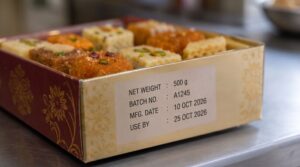
Silver leaf is only one aspect of sweet quality. Consumers should also consider the source, freshness, storage and handling of products, particularly during festive seasons when manufacturers and retailers face increased demand.
Buy from reliable establishments: Choose recognised sweet shops that maintain hygienic premises and hold a valid FSSAI licence or registration. Reliable sellers are more likely to follow prescribed food safety practices.
Examine the appearance: Avoid sweets with unusually bright colours, suspicious metallic coatings or other unusual characteristics. Although appearance alone cannot confirm adulteration, visible irregularities deserve attention.
Check freshness: Avoid sweets that smell sour, feel excessively sticky or show signs of mould growth. For packaged products, examine the manufacturing and best-before or expiry dates.
Be cautious about unusually low prices: Extremely cheap products may sometimes indicate inferior ingredients or cheaper substitutes. Compare prices and purchase from sellers you trust.
Buy appropriate quantities: Purchase only what you can consume within a reasonable period. Store milk-based sweets under suitable refrigeration and follow the manufacturer’s storage instructions.
Read packaging and labels: When buying packaged sweets, check the manufacturer’s details, FSSAI licence number, ingredient list, manufacturing date and best-before or expiry information.
A Shiny Appearance Does Not Guarantee Food Safety
The authenticity of silver leaf depends on more than its appearance. FSSAI’s purity and manufacturing requirements help distinguish genuine edible silver from unsuitable substitutes, while the Maharashtra FDA’s finger-rubbing method gives consumers a preliminary way to identify possible aluminium adulteration.
However, only appropriate laboratory testing can establish the material’s composition and purity. Consumers should therefore combine basic checks with sensible purchasing practices, choose reliable sellers and pay attention to freshness, storage and labelling. Ultimately, attractive sweets should also meet the food safety standards that protect the people who consume them.