Food Manifest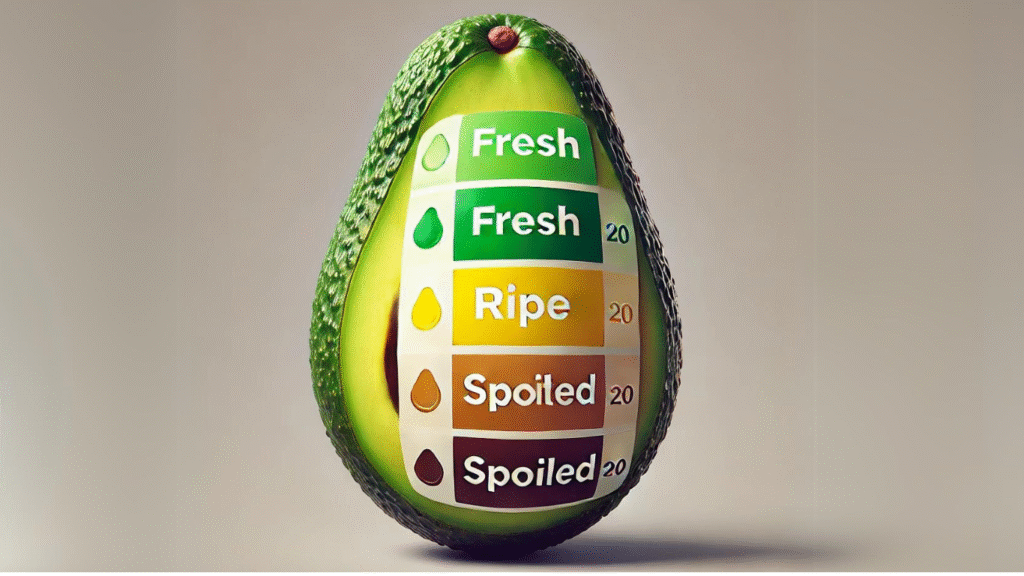
When buying packaged food, most of us check the manufacturing date, expiry date, or best-before date before placing it in our shopping cart. While these labels are important, they do not always tell the whole story. A product may remain safe after its best-before date if stored correctly, while another may spoil well before its expiry date if exposed to poor storage conditions or temperature fluctuations. This is where freshness indicators come into the picture. These smart packaging tools monitor the condition of food in real time, helping consumers and food businesses assess freshness more accurately. Although still emerging, they have the potential to improve food safety, reduce food waste, and make food packaging smarter.
What Are Freshness Indicators?

Freshness indicators are smart labels or sensors attached to food packaging that provide real-time information about the condition of the food inside.
Unlike expiry dates, which estimate a product’s shelf-life under ideal storage conditions, freshness indicators respond to changes that occur during transport, storage, and retail display. Many of these indicators change colour when the food begins to lose freshness, giving consumers and food businesses an easy way to judge its condition.
Rather than replacing expiry dates, freshness indicators complement them by providing additional information about the product’s quality throughout its journey from the manufacturer to the consumer.
How Do Freshness Indicators Work?
Freshness indicators use different technologies depending on the type of food they monitor.
Time-Temperature Indicators (TTIs)
Foods such as milk, meat, seafood, frozen products, and ready-to-eat meals require continuous refrigeration. Time-temperature indicators monitor how long a product has been exposed to temperatures above the recommended range. If the cold chain breaks during transport or storage, the indicator changes colour to show that freshness may have declined.
Gas Indicators
As foods such as meat, fish, and poultry spoil, naturally occurring microorganisms release gases like ammonia and volatile amines. Gas indicators detect these compounds and provide a visual signal when spoilage begins, helping retailers and consumers identify products that may no longer be fresh.
pH Indicators
Spoilage can also change the acidity (pH) of certain foods. Some smart labels use natural pigments extracted from plants such as red cabbage or butterfly pea flowers. These pigments change colour as the pH changes, providing a simple indication that freshness has declined.
Why Do Freshness Indicators Matter?
Expiry dates remain an important part of food labelling, but they cannot reveal what happened to a product after it left the factory.
For example, a carton of milk may still have several days left before its expiry date. However, if it was left outside refrigeration for several hours during transport, its quality may have already deteriorated. The printed date remains the same, even though the product may no longer be safe or fresh.
Freshness indicators bridge this information gap by monitoring the food’s condition throughout its journey. They provide consumers, retailers, and manufacturers with a more realistic picture of product quality instead of relying only on an estimated shelf life.
How Could They Transform the Food Industry?
Freshness indicators could improve food safety and quality management in several ways.
Better Food Safety
These indicators help identify products that have experienced unsafe storage conditions or begun to spoil. This allows businesses to remove affected products before they reach consumers, reducing the risk of foodborne illness.
Reduced Food Waste
Millions of tonnes of food are discarded every year because consumers mistake the “best before” date for a safety deadline. In many cases, these products remain safe when stored correctly. Freshness indicators provide a better picture of product quality, helping reduce unnecessary food waste while ensuring spoiled food is discarded.
Improved Cold Chain Management
Maintaining the cold chain is essential for preserving perishable foods. Freshness indicators help businesses identify products exposed to temperature abuse during transportation or storage, improving quality control and reducing product losses.
Greater Consumer Confidence
Consumers increasingly want transparency about the food they buy. Packaging that visibly indicates freshness can build trust and help shoppers make more informed purchasing decisions.
Are Freshness Indicators Used Today?
Several countries, including Japan, South Korea, the United States, and many European nations, already use freshness indicators for highly perishable foods such as meat, seafood, dairy products, and ready-to-eat meals. Similar time-temperature indicators are also used for vaccines and other temperature-sensitive pharmaceutical products.
In India, however, freshness indicators are still largely in the research and development stage. Scientists are developing affordable smart labels using biodegradable materials and natural pigments, but commercial adoption remains limited. As intelligent packaging becomes more affordable and awareness grows, these technologies are expected to become more common in the Indian food industry.
What Challenges Remain?
Despite their advantages, freshness indicators are not yet common on most packaged foods. One major challenge is cost, as smart labels increase packaging expenses. Consumer awareness also remains limited, and many shoppers are unfamiliar with intelligent packaging and colour-changing labels. Manufacturers must also ensure these technologies comply with food safety regulations and perform consistently under different storage conditions before introducing them on a larger scale.
The Future of Smart Food Packaging
Freshness indicators are part of the growing field of intelligent food packaging. In the future, manufacturers could combine them with technologies such as QR codes, biosensors, RFID tags, and smartphone applications, allowing consumers to access information about a product’s storage history and freshness before purchasing it.
As packaging technology advances and production costs decrease, freshness indicators could become a common feature on supermarket shelves, especially for highly perishable foods.
The Bottom Line
Freshness indicators do not replace expiry dates—they complement them by providing real-time information about a food product’s condition. As smart packaging technology advances, these labels could improve food safety, reduce unnecessary food waste, strengthen cold-chain management, and help consumers make better-informed choices. Although their use in India is still limited, ongoing research and innovation suggest that freshness indicators may soon become a valuable part of the country’s food packaging industry.