Food Manifest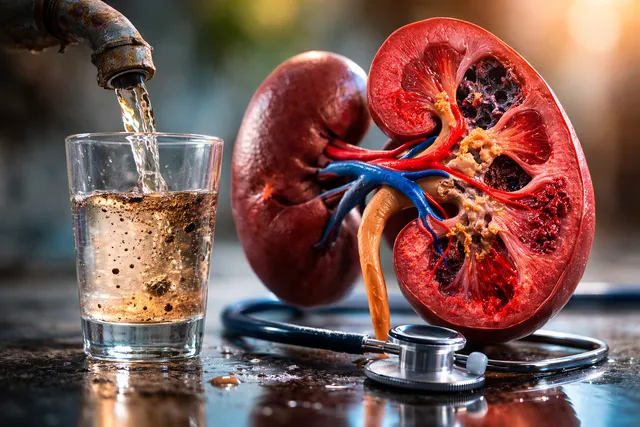
Key Update
Researchers from SCB Medical College, Cuttack, and VIMSAR, Burla, in Odisha, report that 30–40% of chronic kidney disease (CKD) cases in Odisha result from uncontrolled diabetes, while hypertension also contributes significantly. The study shows that about 15% of CKD cases are linked to heavy metals in drinking water. Of 3,200 patients examined, 480 had traces of these metals in their urine. Dr Bibekananda Kar said, “During my surveys in Cuttack, Balangir, and Jharsuguda, I found water samples containing heavy metals.”
Safe Water and Awareness Can Reduce CKD
Dr Kar emphasised that providing safe drinking water in affected areas can reduce CKD cases. He urged citizens to follow eight golden rules for kidney health, including regular exercise, a healthy diet, proper hydration, controlling blood sugar and blood pressure, avoiding smoking, taking medications as prescribed, and regular kidney function tests.
CKD of Unknown Origin Draws Attention
Dr Sukanto Kishore Das noted that some CKD cases occur in agricultural workers without diabetes or hypertension. Environmental factors like contaminated water, heat stress, dehydration, and agrochemical exposure may contribute, though the exact causes remain uncertain. Both experts stressed that early detection, regular screening for high-risk groups, healthy lifestyle practices, and timely access to dialysis or kidney transplantation can help patients manage CKD effectively.
Source: The Times of India