Food Manifest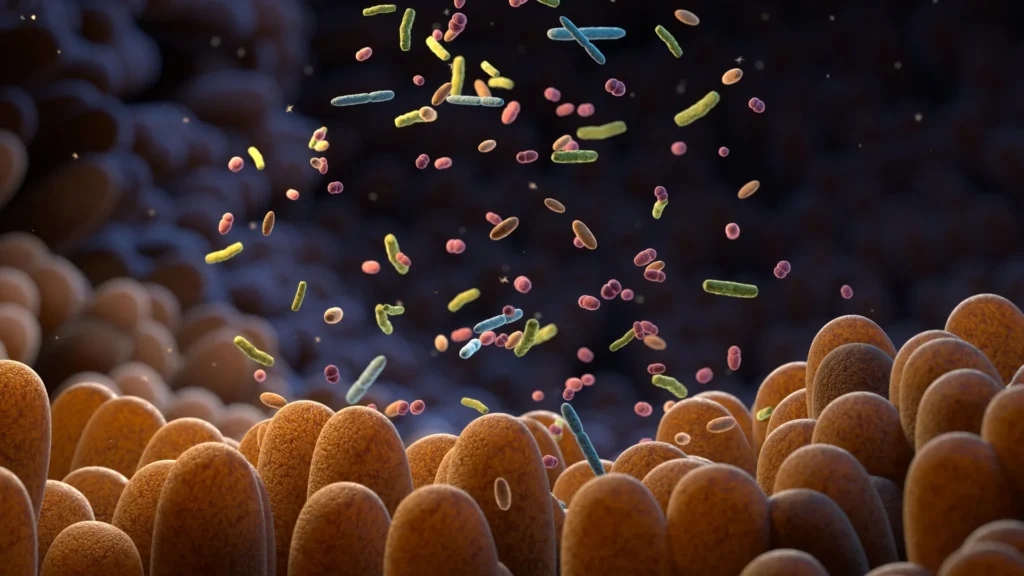
Key Development
Researchers at the University of Cambridge have identified 168 chemicals that interfere with the growth of beneficial gut bacteria. They published their findings in Nature Microbiology after testing 1,076 chemical contaminants on 22 common gut bacterial species. The team also developed a machine-learning model to predict how these chemicals affect microbial growth.
Common Household Substances Pose Unexpected Threats
The scientists discovered that many everyday chemicals—not just pesticides—can damage gut microbes. Their tests included flame retardants, fungicides, insecticides, industrial compounds, and plastic additives such as BPAF, PFNA, chlordecone, glyphosate, and imazalil. People may encounter these chemicals through food, drinking water, consumer products, and environmental exposure. The researchers emphasised that real-world exposure levels still need careful study to understand their true impact on health.
Microbiome Disruption Can Influence Whole-Body Health
The team highlighted that a healthy microbiome supports digestion, immunity, metabolism, and even mental health. They observed that several chemicals designed to target insects or fungi also damaged beneficial human gut bacteria. Some industrial chemicals—previously thought to be biologically inactive—also inhibited microbial growth. Study author Kiran Patil said the findings strengthen the need to design future chemicals with microbiome safety in mind. He added that researchers now need more real-world data to bridge laboratory results with actual human exposure.
Experts Call for Caution and Better Prevention
Independent experts reacted strongly to the findings. Gastroenterologist Dr Will Bulsiewicz warned that disrupting the microbiome can weaken the gut barrier, fuel chronic inflammation, and raise long-term disease risks. Biochemist Momo Vuyisich advised people to limit exposure to antibiotics, pesticides, preservatives, and emulsifiers and choose organic food when possible. He noted that microbiome imbalances can affect physical, cognitive, and immune health.
While specialised microbiome tests can detect early changes, experts explained that they are not yet widely recommended. Still, they agree that protecting gut bacteria is crucial for long-term well-being.
Source: Money Control