Food Manifest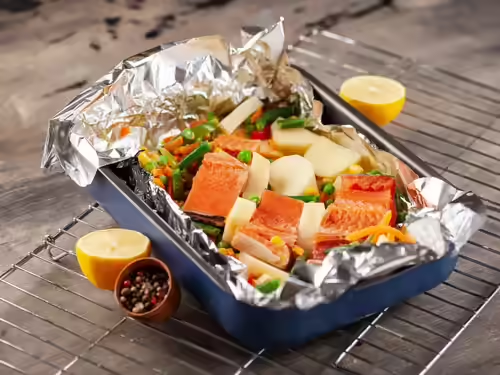
Overview
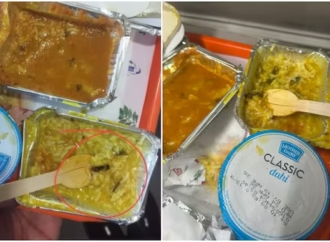
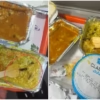
Many households use aluminium foil or containers to wrap rotis, cover curries, or pack lunches. The practice feels convenient and has become a routine part of everyday cooking and storage. Aluminium foil may seem harmless, but safety depends on how it’s used. High heat and long storage periods can cause aluminium to migrate into food, especially when foil comes into direct contact with it.
What Studies Have Found
Research published in Food Bioscience (December 2024) reported unsafe metal levels in fish roasted in aluminium foil. The study showed that higher temperatures and larger foil surface areas increased metal leaching into the food. Another study on baking found aluminium levels rising sharply—up to 40 times—in foods such as fish, meat, poultry, cheese, and vegetables when cooked in foil.
Potential Health Risks
Dr Chhaya Vaja, Internal Medicine Expert at Apollo Spectra Hospital, Mumbai, warns that excess aluminium intake over time may affect bone health, strain the kidneys, and cause nerve-related issues. People with kidney disease face a higher risk due to reduced aluminium excretion. Acidic, salty, and spicy foods—like tomatoes, lemon, vinegar, pickles, and gravies—react more easily with aluminium, increasing the chances of leaching.
Practices That Increase Exposure
Wrapping hot food in foil, storing it for long hours, or using scratched and thin aluminium containers can accelerate aluminium migration into food. Experts advise against using aluminium foil for daily cooking or long-term storage.
Safer Alternatives to Follow
Use stainless steel, glass, or ceramic containers for storing cooked food. If foil is unavoidable during baking or grilling, place baking paper between the food and the foil to avoid direct contact. Avoid reusing disposable aluminium containers and cooking food directly in foil at very high temperatures.
Choose Safety Over Convenience
Food storage trends may look convenient, but safe practices matter more. Following expert advice and proven storage methods helps reduce health risks linked to improper food handling.
Source: Times Entertainment