Food Manifest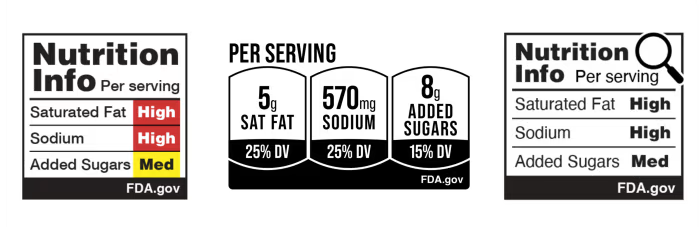
Key Update
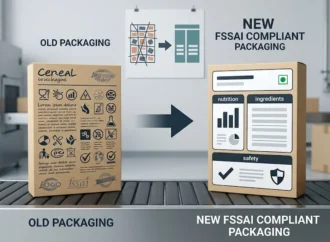
Lawmakers on Tuesday renewed calls for the long-pending implementation of Front-of-Pack Labelling (FOPL) on packaged food products, citing concerns that current nutrition labels are often difficult for average consumers to understand and fail to guide them toward healthier purchasing decisions.
FOPL Seen as Key Tool Against Lifestyle Diseases
Emphasising the role of clear and effective FOPL in tackling the growing burden of diet-related non-communicable diseases—such as obesity, diabetes, hypertension, and cardiovascular conditions—Members of Parliament said front-of-pack warning labels enable consumers to make quick and informed choices, particularly benefiting people with lower literacy levels.
Parliamentary Panel Flags Issues With Back-of-Pack Labels
In a report tabled in Parliament, the Committee on Subordinate Legislation noted that existing back-of-pack nutrition tables often appear in very small font sizes, making them difficult or even impossible for many consumers to read. The Committee, chaired by Shiv Sena MP Milind Deora, said these limitations reduce the effectiveness of nutrition information provided to consumers.
The Committee recommended that the Food Safety and Standards Authority of India (FSSAI) actively encourage the adoption of Front-of-Pack Nutrition labelling to empower consumers and promote healthier dietary choices, including reducing the intake of oils and fats.
Exemptions for Certain Products Raise Alarm
Lawmakers expressed serious concern over the exemption of products such as sweeteners, alcoholic beverages, and chewing gums from mandatory nutritional labelling, despite their links to obesity, diabetes, and hidden calorie intake. They noted that sweeteners continue to lack child-specific warning labels despite earlier restrictions, alcoholic beverages contribute to non-communicable diseases without disclosing calorie content, and chewing gums often contain artificial additives that go unlabelled.
The Committee urged FSSAI to amend existing regulations to limit labelling exemptions strictly to raw and unprocessed items such as herbs and spices, rather than processed products with potential health impacts.
Need for Clear Dairy and Plant-Based Labelling
While reviewing the Food Safety and Standards (Labelling and Display) Regulations, 2020, the panel also highlighted the need for clear criteria that distinguish dairy products from plant-based alternatives to prevent consumer confusion. To strengthen consumer protection, the Committee called for regular market audits and enhanced penalties for repeated violations, stressing that stricter enforcement would improve compliance and transparency in food labelling.
Source: Deccan Herald