 Food Manifest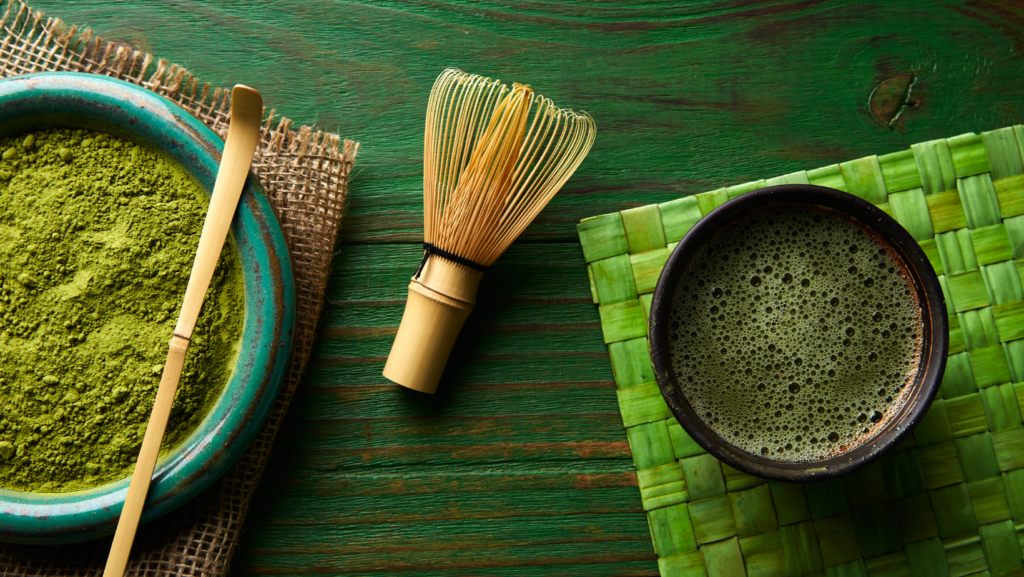
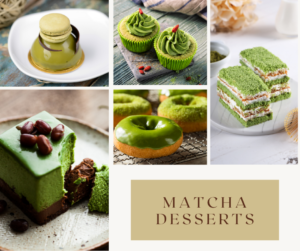
Matcha has skyrocketed in popularity thanks to its health benefits and versatility. You can easily whip up matcha smoothies, yoghurts, lattes, teas, and shots at home. The trend doesn’t stop there. Matcha desserts such as cheesecakes, macarons, ice creams, and panna cottas now appear everywhere, from social media to coffee shops. As demand continues to grow, more businesses are trying to cash in on the matcha craze. But what exactly is matcha? And what should we watch out for when consuming it?
What is Matcha?
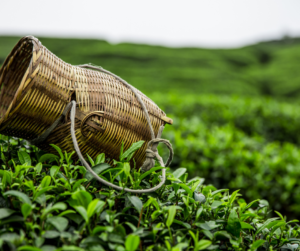
Matcha comes from the Camellia sinensis plant, which is traditionally cultivated in certain parts of Asia. It is popularly known as a high-grade powdered green tea, and the best matcha comes from Japan. Unlike other generic green teas, matcha has a much greater quantity of antioxidants and caffeine (since it is made from the entire tea leaf). It is also believed to have a number of health benefits, such as helping to promote liver and heart health, boosting brain function, and contributing to weight loss.
What kind of Matcha should you buy?
Ideally, matcha should have a fine, vivid green powder that you can easily whisk into a frothy, vibrant drink. Matcha comes in different grades, each suited to specific uses and price points. Producers typically use culinary-grade matcha to flavour desserts and other dishes. People commonly use premium matcha for daily consumption and serve it at social gatherings, while traditional tea ceremonies often use ceremonial matcha, the most expensive and finely graded variety.
When buying matcha, check its origin and choose products from reputable sources. Japanese matcha is widely recognised for its quality, but the country of origin alone does not guarantee safety or purity. Check the product label and look for appropriate quality or safety testing before buying. Be cautious of products that may contain pesticides, prohibited substances, food dyes, or other undeclared ingredients.
Caveat Emptor!
#1. Contaminated matcha: Drinking lead-contaminated matcha tea is one of the most common blunders matcha enthusiasts make. This can happen when you purchase untested or low-quality matcha blends grown in China. It is important to be cautious about where we get our matcha from, because 32% of Chinese blends violate the USDA limit. It is better to buy from reputed brands and use a paper filter to reduce the amount of lead that passes through into your cup to avoid excessive lead consumption.
#2. Untested and non-certified matcha: Another common mistake consumers make is buying untested or non-certified matcha. A Greenpeace study found pesticide residues in 12 of the 18 green tea samples it tested. Some pesticides can pose health risks with excessive or prolonged exposure. Consumers should therefore choose matcha from reputable sources and check for appropriate safety testing and certification.
#3. Matcha mixed with other substances: People looking for cheaper matcha may fall for brands that sell powders containing less than 100% matcha. Some manufacturers mix matcha with substances such as rice and sugar to increase the product’s weight. Maltodextrin, a low-calorie sweetener, is another ingredient that manufacturers may use in adulterated matcha to bulk up the product. This practice reduces the amount of pure matcha consumers receive and may add unnecessary calories.
In Short
There are four important factors to consider when buying matcha: origin, colour, price, and texture.
Origin: Choose matcha that comes from Japan. Japan’s unique climate and terroir provide ideal conditions for growing matcha. Matcha from other regions may vary in quality and could carry a higher risk of contamination.
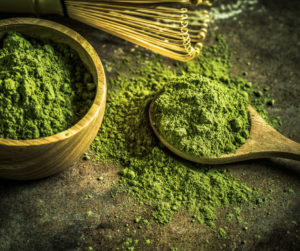
Colour: Producers shade matcha leaves for about three weeks before harvest to enhance chlorophyll production. This process gives matcha its distinctive bright green colour. Insufficient shading, older leaves, or leaves harvested from lower parts of the plant can affect the colour. You can see the hue in both the dry powder and the whisked matcha. If the powder looks yellowish, brown, or dull, it may indicate that the matcha is old, lower grade, or adulterated.
Price: Matcha usually costs more because producers use specialised techniques to grow and process it. Premium-grade matcha typically costs around $25 to $35 for two ounces. Be cautious when sellers consistently offer matcha at unusually low prices, although genuine discounts may occur during sales.
Texture: High-grade matcha should feel smooth and velvety. Look for a powder that feels as fine as talcum powder, without any gritty or coarse texture.
Before you join the matcha craze, make sure you get the most out of every cup. Choose your matcha carefully, buy it from reputable sources, and watch out for adulteration and other malpractices. Pure matcha can make every cup more enjoyable!




Leave a Comment
Your email address will not be published. Required fields are marked with *