Food Manifest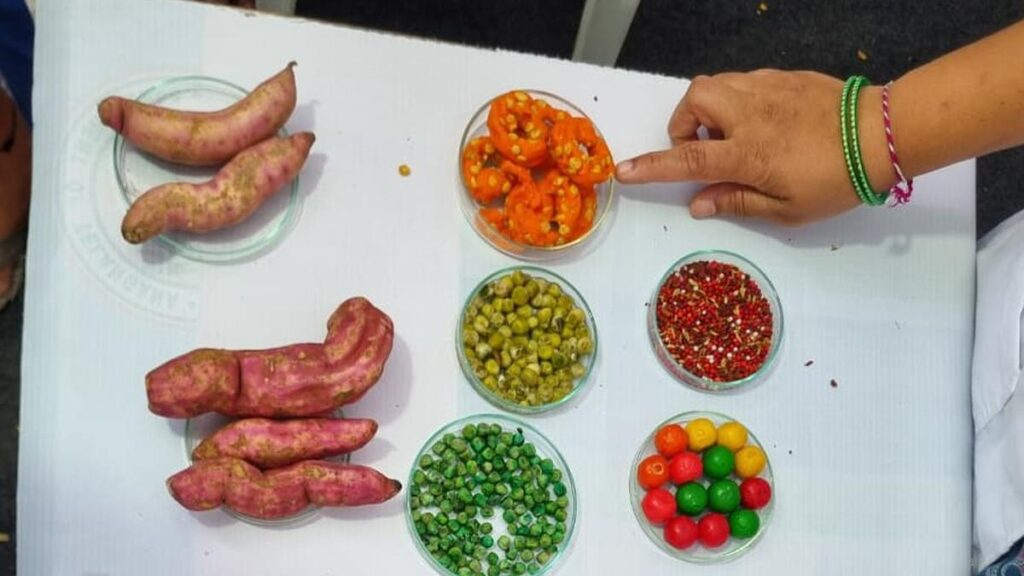
Significant Update
Visitors at the ‘Eat Right Mela’ held at Nature Cure Hospital on Monday (April 6, 2026) in Hyderabad gathered around two interactive stalls set up by the Telangana Food Safety Department. At these stalls, officials demonstrated how sellers often adulterate common food items and showed consumers simple ways to detect such practices.
Focus on Artificial Colours and Milk Adulteration
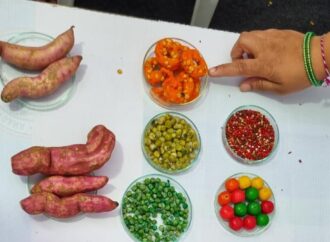
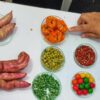
The stalls highlighted two major food safety concerns: the use of artificial colours in food and the adulteration of milk and dairy products. At the stall on artificially coloured foods, officials displayed several commonly consumed items, including sweet potatoes with unusually bright skin, vividly coloured dried kiwi slices, green peas, fennel seeds (saunf), and multi-coloured confectionery products. Through this display, they showed how some sellers use excessive or non-permitted colouring agents to make foods look more attractive and mislead consumers.
Detecting Adulteration Through Visual Checks
Experts from the Telangana State Food Testing Laboratory in Nacharam—the only food testing facility in the State—explained that while laboratories rely on chemical reagents and precise analysis, consumers can often identify adulteration through careful visual inspection. They advised consumers to watch for foods that appear overly bright, uniformly coloured, or unnatural, such as fluorescent green peas or intensely orange slices. Officials also noted that synthetic colours may sometimes rub off when touched or washed, which can signal possible adulteration.
Demonstrating Simple Tests for Dairy Products
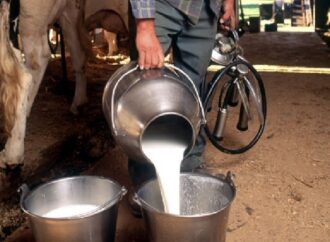
At the second stall, officials demonstrated simple methods to detect adulteration in milk and dairy products. For example, they showed that adding iodine solution to milk can reveal the presence of starch, as the mixture turns blue-black if starch is present. They also explained that consumers can sometimes detect impurities in ghee and butter by observing changes in texture, smell, or reaction to heat. In addition, they demonstrated how diluted milk may show changes in consistency and layering when left undisturbed.
Creating Awareness Among Consumers
Officials set up practical demonstrations using droppers and small containers so that visitors could observe how different samples reacted during testing. They emphasised that milk and dairy products are among the most commonly adulterated foods due to high consumer demand. While laboratory testing remains the most reliable method to confirm adulteration, officials stressed that informed consumers can serve as the first line of defence. Through these stalls, the department aimed to educate the public and empower people to make safer food choices in their daily lives.
Source: The Hindu