Food Manifest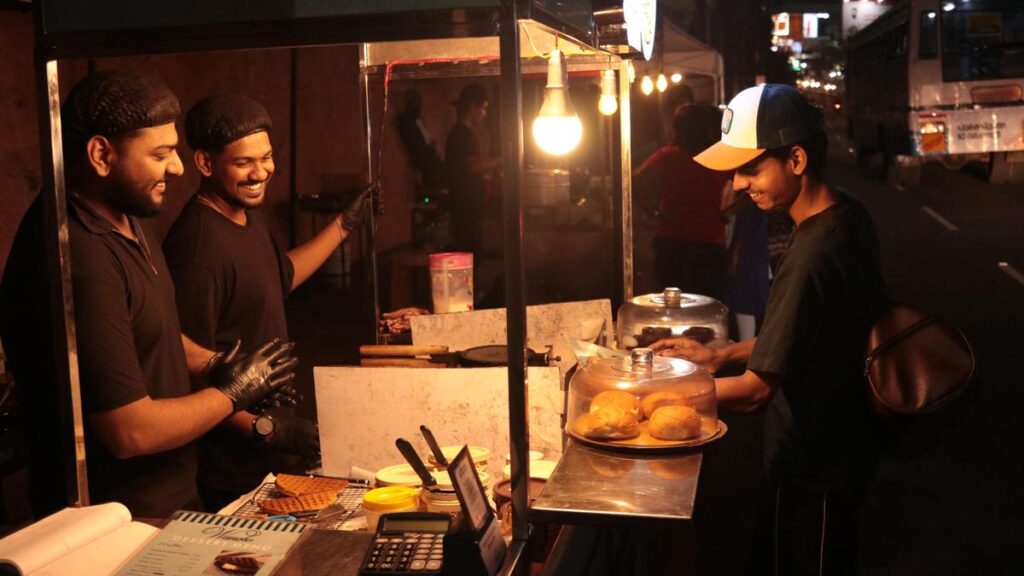
Key Development
Street food continues to attract large crowds in Thiruvananthapuram, offering affordable, tasty meals and a steady income for small entrepreneurs. However, as the number of vendors rises rapidly, regulatory oversight has failed to keep pace, raising concerns about hygiene and quality control.
Consumers prefer these outlets because they serve flavourful food at much lower prices than restaurants, often in a casual and vibrant setting. Yet this growing popularity has exposed gaps in monitoring mechanisms.
Staff Shortage Hampers Inspections
Officials in the food safety department admit they face severe staff shortages. As per norms, only two food safety inspectors are allotted per Assembly constituency — a number widely considered insufficient to supervise both licensed restaurants and thousands of informal vendors. Although some vacancies have been filled, the current workforce struggles to conduct regular inspections across the city and its suburbs.
Deaths in Vizhinjam Trigger Fresh Concerns
The issue gained urgency after two people died following a meal at a seafood restaurant in Vizhinjam, while several others who dined there later sought medical treatment. Authorities are awaiting food sample test results to determine the exact cause. The incident has intensified scrutiny of food safety enforcement across the capital region.
Unregistered Vendors, Untraceable Kitchens
Monitoring becomes more complicated because many vendors prepare food elsewhere and transport it to their stalls for sale. This practice makes it difficult for officials to trace the source of the kitchen or verify hygiene standards.
Across the city, some vendors set up temporary tables during lunchtime to sell packed meals prepared at home. Night-time stalls operate in areas such as Cotton Hill, Kesavadasapuram and Kuravankonam, often without displaying licences from the city corporation or registration certificates from the food safety department. Several vendors admit they have yet to obtain a food safety licence. The city corporation estimates that around 3,500 street vendors operate within city limits, though officials acknowledge this is only a rough figure.
Monitoring Challenges in Suburban Areas
Regulatory oversight appears even weaker in suburban and tourist-heavy regions such as Kovalam and Vizhinjam. According to P. Gopakumaran Nair, a regular patron, “Almost every household sets up an eatery in front of their house in Kovalam and Vizhinjam. There is hardly any monitoring.” These outlets attract both locals and tourists, particularly because beachside restaurants in Kovalam often charge significantly higher prices.
Department Responds
Food Safety Commissioner Afsana Perween said the department has started registering street food vendors and conducting inspections of the kitchens they use. “The respective food safety officer will inspect the kitchens used by vendors. We are also conducting awareness programmes. The hygiene and quality of food here are better compared to many other states,” she said.
However, officials acknowledge that without strengthening manpower and creating a more structured monitoring system, regulating the expanding street food sector will remain a challenge.
Source: The Times of India