Food Manifest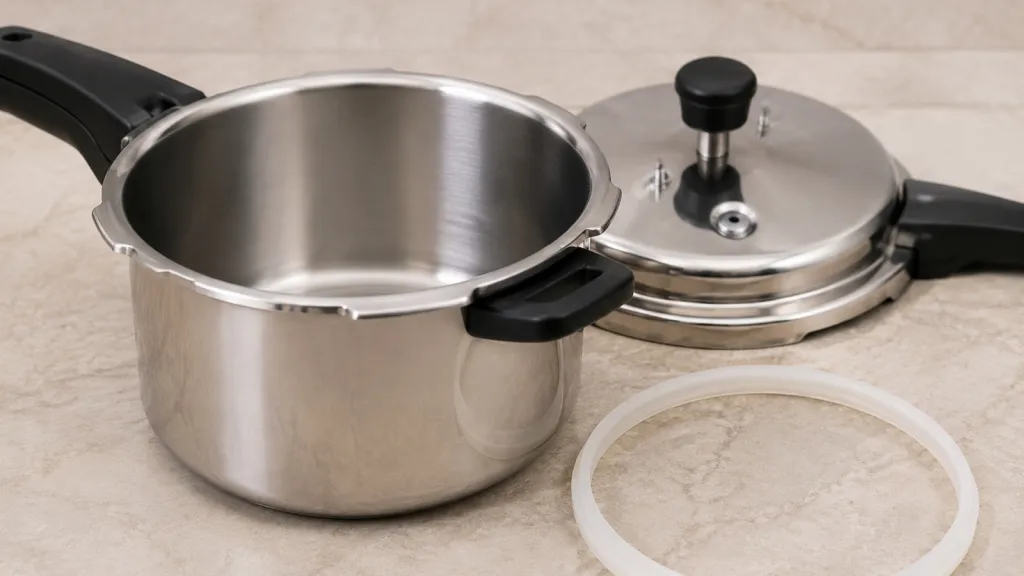
Most of us wash our pressure cooker after every use, scrubbing the pot until it looks spotless. But there’s one small component that often escapes attention—the rubber gasket, also known as the sealing ring.
Tucked inside the lid, this rubber ring creates an airtight seal that allows the cooker to build pressure. While it may seem insignificant, it can trap food particles, grease, and moisture over time. If left uncleaned, these residues can encourage the growth of bacteria and mould, making regular cleaning an important part of kitchen hygiene.
Why the Rubber Gasket Needs Special Attention
Unlike the cooker pot, the gasket has grooves and folds where tiny food particles and grease can accumulate. Because it is hidden inside the lid, many people overlook it during routine washing.
According to nutrition experts, the gasket should ideally be washed after every use with warm water and mild dish soap. It should also be dried completely before being placed back in the cooker. Storing a damp gasket inside a closed cooker can trap moisture, creating conditions that favour microbial growth. Giving the gasket a more thorough cleaning at least once a week can help remove stubborn grease and residue that may not be visible.
Can a Dirty Gasket Harbour Bacteria and Mould?
Yes—but only under the right conditions. Food residue combined with trapped moisture can create an environment where bacteria and mould may grow, especially if the gasket is not cleaned or dried properly. A foul smell, sticky residue, or visible mould are clear signs that the gasket needs immediate cleaning or replacement. However, it’s important to separate hygiene concerns from scientific evidence.
During cooking, a properly functioning pressure cooker reaches temperatures high enough to destroy most harmful microorganisms present inside the cooker. This means the cooking process itself is generally effective at reducing microbial risks.
The greater concern is what happens before and after cooking. An unclean gasket can become contaminated during storage or handling, making good cleaning practices essential.
Does It Cause Gut Inflammation or Weaken Immunity?
Recent discussions on social media have suggested that an unclean pressure cooker gasket could lead to chronic gut inflammation or weaken the immune system. Current scientific evidence does not support these claims directly.
While poor kitchen hygiene can increase the risk of food contamination and foodborne illnesses—which may cause symptoms such as diarrhoea, vomiting, stomach cramps, and digestive discomfort—there is no established evidence that a dirty cooker gasket alone causes chronic gut disorders or long-term immune dysfunction. Gut health is influenced by many factors, including diet, overall hygiene, lifestyle, medications, and underlying medical conditions.
Simple Tips to Keep Your Pressure Cooker Hygienic
Maintaining your pressure cooker doesn’t require much effort, but a few simple habits can make a big difference:
- Wash the rubber gasket after every use using warm water and mild dish soap.
- Dry it completely before placing it back inside the lid.
- Deep clean the gasket once a week to remove accumulated grease and residue.
- Store the cooker with the lid slightly open to allow moisture to escape instead of getting trapped inside.
- Inspect the gasket regularly for cracks, hardening, or loss of elasticity.
- Replace damaged or worn-out gaskets promptly to maintain both hygiene and safe pressure cooking.
- Avoid using harsh cleaning chemicals that may damage the rubber.
Why a Damaged Gasket Is Also a Safety Concern
The gasket is not only important for cleanliness—it also plays a crucial role in the safe operation of a pressure cooker.
A worn or cracked gasket may fail to create a proper seal, preventing the cooker from reaching the correct pressure or allowing steam to escape unexpectedly. Replacing the gasket when it shows signs of wear helps maintain both cooking efficiency and safety.
The Bottom Line
The rubber gasket may be one of the smallest parts of a pressure cooker, but it deserves the same attention as the cooker itself. Cleaning and drying it regularly helps prevent the build-up of food residue, grease, and moisture that can encourage bacterial or mould growth.
At the same time, it’s important not to overstate the health risks. While poor kitchen hygiene can increase the risk of food contamination, there is currently no scientific evidence that an unclean pressure cooker gasket alone causes chronic gut inflammation or weakens the immune system.
Good kitchen hygiene is built on small, consistent habits. Keeping your pressure cooker—including its often-forgotten gasket—clean is one simple step towards safer food preparation.
Source: The Indian Express