Food Manifest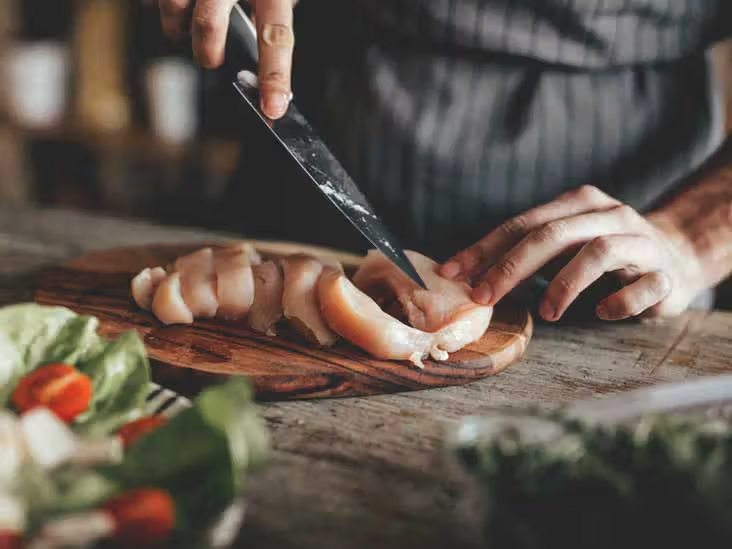
Most of us focus on what we eat, but we often pay less attention to how we store and handle food after bringing it home. Surprisingly, many cases of foodborne illness are linked not to unusual foods but to everyday items found in almost every kitchen. Foods such as cooked rice, eggs, dairy products, chicken, fish, and cut fruits or salads can become high-risk when improperly stored or carelessly handled. These foods contain the moisture and nutrients that bacteria need to grow. Understanding the risks associated with these common foods can help prevent food poisoning and keep your family safe.
Cooked Rice
Cooked rice is one of the most commonly consumed foods in many households. However, few people realise that it can become a food safety concern if left at room temperature for too long. Uncooked rice may contain spores of a bacterium called Bacillus cereus. These spores can survive the cooking process. When cooked rice is left on the kitchen counter for several hours, the spores can multiply and produce toxins. These toxins can cause symptoms such as nausea, vomiting, abdominal cramps, and diarrhoea. A common mistake is preparing rice in advance and leaving it at room temperature until the next meal. Reheating rice may kill bacteria, but it may not destroy toxins that have already formed.
Food Safety Tips
- Cool cooked rice quickly after preparation.
- Refrigerate leftovers within two hours.
- Store rice in covered containers.
- Consume refrigerated rice within one to two days.
- Reheat thoroughly before serving.
Eggs
Eggs are a nutritious source of protein and are used in countless dishes. However, they can also carry harmful bacteria if not handled properly. The main concern is bacterial contamination, such as Salmonella. While the risk is generally low, improper storage and handling can increase the chances of bacterial growth. Cracked eggs are especially vulnerable because bacteria can enter through damaged shells. Many people also leave eggs out for extended periods while cooking or baking. Warm temperatures can encourage bacterial growth and reduce the shelf life of eggs.
Food Safety Tips
- Store eggs in the refrigerator.
- Avoid purchasing eggs with cracked shells.
- Wash your hands after handling raw eggs.
- Cook eggs thoroughly before consumption.
- Use clean utensils and containers during preparation.
Milk and Dairy Products
Milk, curd, paneer, cheese, cream, and other dairy products are highly nutritious. Unfortunately, the same nutrients that make dairy products healthy also make them attractive to bacteria. Milk and dairy products can spoil quickly when they are not kept at the correct temperature. Once bacteria begin multiplying, the products may develop off-flavours, unpleasant odours, and safety concerns. Consuming contaminated dairy products can lead to foodborne illness. A common household mistake is leaving milk, curd, or paneer outside the refrigerator for several hours after use.
Food Safety Tips
- Refrigerate dairy products immediately after use.
- Keep containers tightly sealed.
- Check expiry dates regularly.
- Use clean spoons and utensils when serving.
- Avoid consuming dairy products that show signs of spoilage.
Chicken
Chicken is one of the most widely consumed animal protein sources, but it is also considered a high-risk food. Raw chicken can naturally carry bacteria such as Salmonella and Campylobacter. These bacteria do not usually cause problems when the chicken is cooked properly. However, they can spread easily through cross-contamination during food preparation. For example, juices from raw chicken can contaminate cutting boards, knives, kitchen counters, and ready-to-eat foods such as fruits and salads. Even a small amount of contamination can create a food safety risk.
Food Safety Tips
- Store raw chicken separately from cooked and ready-to-eat foods.
- Use separate cutting boards and knives for raw poultry.
- Wash your hands thoroughly after handling raw chicken.
- Cook chicken completely until it is no longer pink inside.
- Clean and sanitise food preparation surfaces after use.
Fish
Fish is highly perishable and requires careful handling from purchase to consumption. Unlike some other foods, fish can deteriorate rapidly if temperature control is not maintained. Bacteria can multiply quickly in fish that is not adequately chilled. Improper storage can affect both food quality and safety. In warm climates, fish can spoil within a relatively short period if left unrefrigerated. Signs of spoilage may include unpleasant odours, slimy surfaces, and changes in appearance.
Food Safety Tips
- Purchase fish from reliable sources.
- Refrigerate fish immediately after buying it.
- Keep fish well chilled until cooking.
- Cook fresh fish as soon as possible.
- Discard fish that shows signs of spoilage.
Cut Fruits and Salads
Fresh fruits and vegetables are often associated with healthy eating. However, once they are peeled, cut, chopped, or mixed into salads, they become more vulnerable to contamination. Cutting damages the natural protective barriers of fruits and vegetables. This releases moisture and nutrients that can support bacterial growth. Salads can also become contaminated through unwashed hands, dirty utensils, contaminated water, or poorly cleaned preparation surfaces. Prepared fruit platters and salads left at room temperature during parties, buffets, or office events can quickly become food safety risks.
Food Safety Tips
- Wash fruits and vegetables thoroughly before cutting.
- Use clean knives and cutting boards.
- Refrigerate cut fruits and prepared salads promptly.
- Keep them covered during storage.
- Discard products that have been left at room temperature for extended periods.
Why Are These Foods Considered High-Risk?
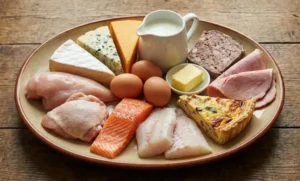
High-risk foods generally share a few common characteristics. They contain moisture, provide nutrients that support bacterial growth, and often require temperature control to remain safe. When these foods remain in the temperature danger zone—typically between 5°C and 60°C—bacteria can multiply rapidly. The longer food stays within this temperature range, the greater the risk of contamination and foodborne illness.
The Real Risk Is Often Human Error
Many people assume food poisoning occurs because food is inherently unsafe. In reality, improper storage and handling are often the main causes. Leaving rice on the counter overnight, storing dairy products incorrectly, allowing raw chicken to contaminate other foods, or keeping cut fruits unrefrigerated can all increase food safety risks.
Fortunately, most of these risks are preventable. Following basic food safety practices such as proper refrigeration, good hygiene, thorough cooking, and preventing cross-contamination can make a significant difference.
Final Takeaway
Cooked rice, eggs, milk and dairy products, chicken, fish, and cut fruits or salads are common foods found in nearly every kitchen. They provide valuable nutrition, but they also require proper care. By understanding why these foods are considered high-risk and following safe storage and handling practices, you can greatly reduce the risk of foodborne illness. Remember, it is often not the food itself that causes the problem—it’s how we store, handle, and prepare it.