Food Manifest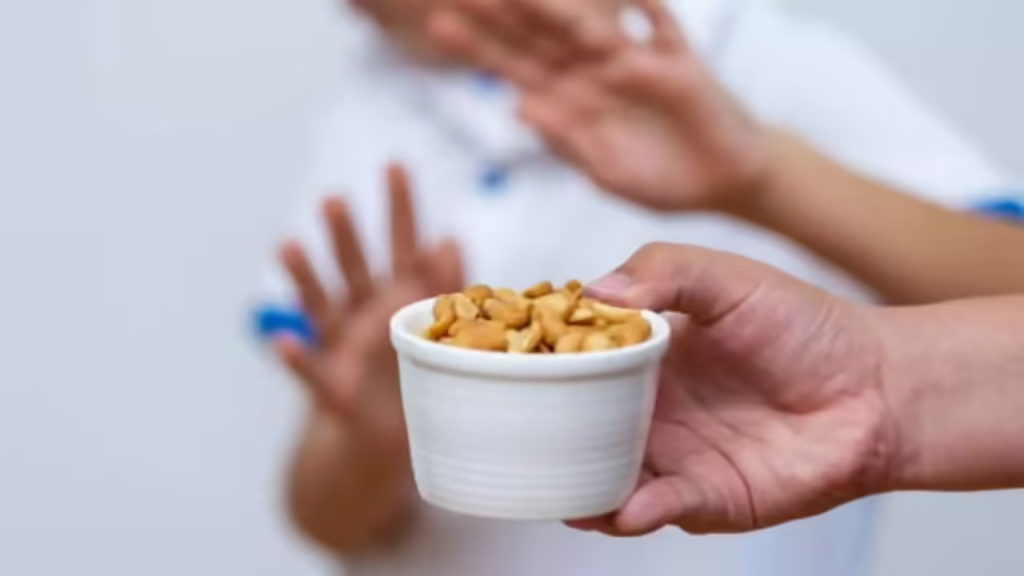
Overview
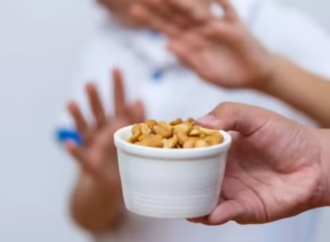
Food reactions in Indian children are being reported more often than before. These reactions may appear as skin rashes, stomach discomfort, or, in some cases, more serious symptoms that require medical attention in schools or clinics. Experts are still debating whether this reflects a real increase in allergies or simply better recognition. What is clear, however, is that parents and doctors are discussing food allergies far more openly today.
To understand what may be driving this trend, we spoke with Dr Sujatha Thyagarajan, Lead and HOD, Pediatric Intensive Care and Pediatric Emergency at Aster Women & Children Hospital, Whitefield, Bengaluru. She says the shift is likely linked to a combination of modern lifestyles, dietary changes, and growing awareness.
Rising Cases or Better Recognition?
Doctors are seeing more children with food-related reactions. However, this may partly reflect improved awareness and diagnosis rather than a completely new problem. Symptoms that were once dismissed as minor stomach upsets or skin irritations are now more likely to be evaluated and identified as possible allergies.
Impact of Urban Lifestyles
Modern urban living may also influence how the immune system develops. Children growing up in highly sanitised environments often have less exposure to microbes during early childhood. Limited outdoor play, smaller families, and reduced contact with soil or animals may affect the way the immune system learns to respond to different triggers. This reduced microbial exposure can make the immune system more likely to react to harmless substances such as food proteins.
Changing Diets and Feeding Patterns
Dietary habits have changed over time, with many households consuming more processed and packaged foods than in the past. Such diets can affect gut health and the balance of beneficial bacteria, which are important for immune function. Infant feeding practices have also evolved. Earlier guidelines advised delaying the introduction of foods such as peanuts and eggs. Newer research, however, suggests that early and supervised introduction of these foods may help lower the risk of developing allergies.
Greater Awareness and Diagnosis
Improved awareness among parents, schools, and doctors has also increased the number of identified cases. Symptoms that were once overlooked are now more likely to be investigated, and doctors are better equipped to diagnose food allergies. At the same time, studies suggest that overall allergy rates in India remain lower than in many Western countries, indicating that better detection may explain part of the rise.
What Parents Should Do
Experts advise parents not to panic if a child shows signs of a food reaction. Many mild reactions are not true allergies and can be managed. Parents should follow recommended feeding practices, introduce a variety of foods in age-appropriate forms, and maintain a balanced diet and active lifestyle for their children. If a severe reaction occurs, consulting an allergist is important to confirm the diagnosis and create a clear management plan. Growing awareness and early medical guidance can help families manage food allergies more effectively.
Source: India TV