Food Manifest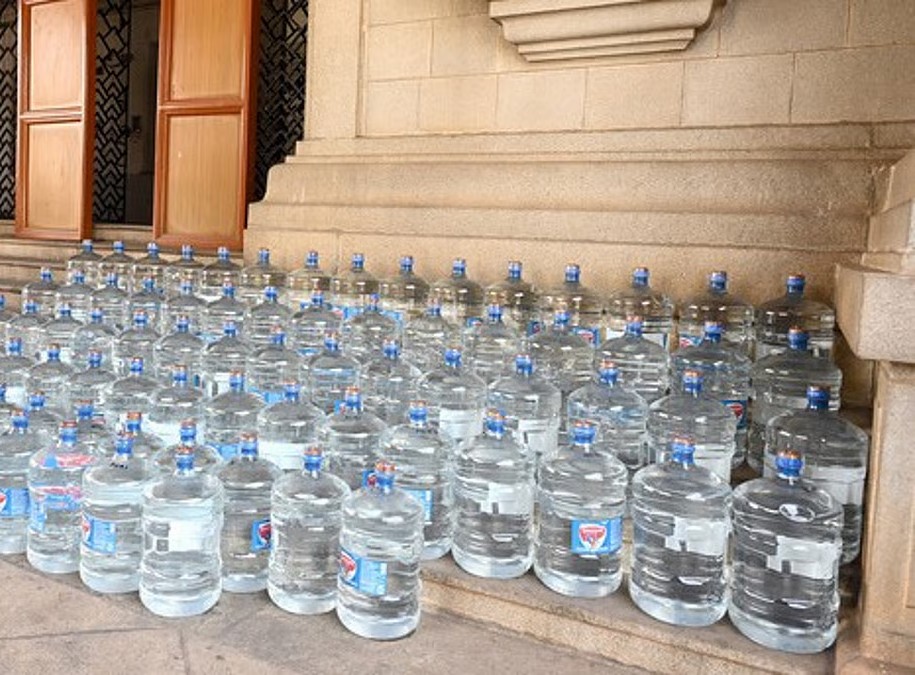
Key Update
As summer temperatures climb, the Tamil Nadu food safety department has intensified monitoring of packaged drinking water cans. Officials have issued fresh guidelines to suppliers to prevent the sale of contaminated 20-litre water cans and ordered strict inspections to ensure compliance with quality and safety standards. The move comes as demand for packaged drinking water rises sharply during peak summer months, when households and commercial establishments increasingly rely on 20-litre cans for daily use.
Fine for Selling Contaminated Cans
Authorities warned that shop owners selling water in dirty or algae-infested cans will face a fine of ₹5,000. Under the guidelines, vendors must ensure that every can is thoroughly cleaned and clearly labelled with the manufacturer’s name, date of packing, expiry date, and licence number issued by the Food Safety and Standards Authority of India. Officials also directed suppliers not to store drinking water cans in direct sunlight, as prolonged exposure to heat can affect water quality.
Limits on Reuse of Water Cans
R. Lalvena, commissioner of the food safety department, said suppliers should not reuse a water can more than 30 times and must discard it after that to reduce contamination risks. The department also reiterated mineral standards for packaged drinking water. According to the guidelines, calcium levels should range between 10 mg and 75 mg per litre, while magnesium levels should remain between 5 mg and 30 mg per litre.
Concerns over Unauthorised Vendors
Industry representatives said authorised suppliers regularly test water quality and follow safety standards. However, they pointed out that unauthorised vendors often collect water from tanker lorries without quality checks and sell it using labels of established companies, a practice that frequently goes unchecked and requires stricter enforcement. Residents said dirty or algae-infested cans remain a common problem during summer. Many complained that suppliers often promise to replace such cans but fail to do so, while the lack of regular inspections allows the practice to continue.
Source: The Times of India