 Food Manifest
The Glory of Ghee

Ghee, a type of clarified butter, serves as a staple ingredient in Indian cuisine. People value it for its rich nutritional profile, which may explain its growing popularity in recent years. Manufacturers prepare ghee by boiling butter to caramelise the milk proteins and then removing those proteins. The remaining concentrated fat becomes ghee.
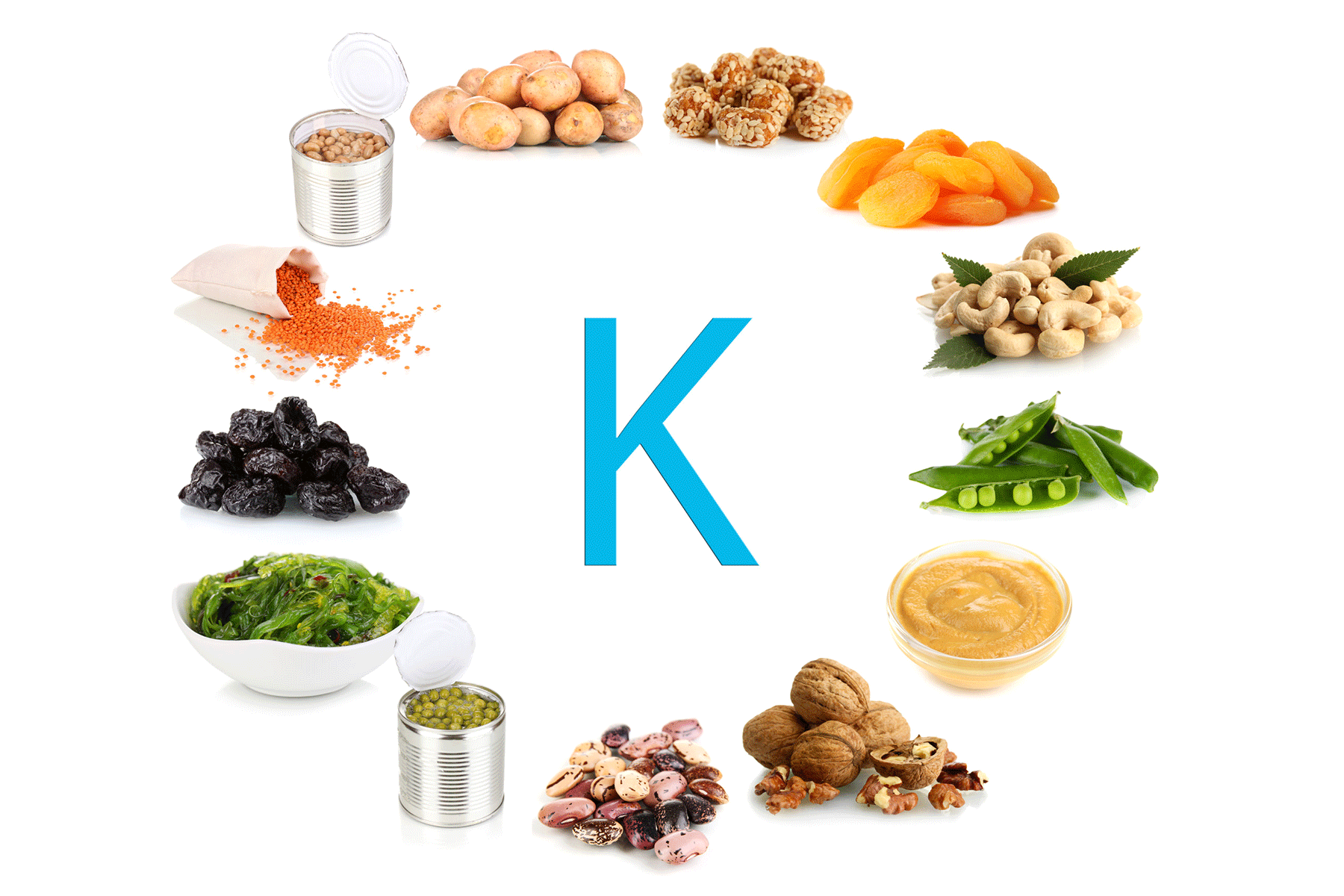
Ghee offers a wide range of health benefits. It contains Vitamin K2, which supports bone health. When consumed in moderation, it does not contribute to weight gain in people with diabetes and provides a suitable alternative for those who are lactose intolerant. Its unique composition of short-chain fatty acids contributes to its anti-cancer properties and makes it easier to digest than many other fats. In addition to enhancing the flavour of traditional dishes, ghee acts as an important carrier of fat-soluble vitamins (A, D, E, and K) and essential fatty acids such as linolenic acid and arachidonic acid. Traditional medicine also considers ghee a cooling agent that may enhance mental acuity, improve physical appearance, and help treat ulcers and certain eye conditions.
Common Adulterants In Ghee
Manufacturers offer several types of ghee in the market. However, its growing demand has led to multiple reports of adulteration. Since sourcing large quantities of high-quality ghee can be challenging, some manufacturers resort to unethical practices to meet consumer demand.
Unscrupulous manufacturers commonly adulterate ghee with vegetable oils, animal fats, mineral oils, hydrogenated fats such as vanaspati, and starch. They also disguise rancid ghee or vanaspati as pure ghee because of their similar colour and texture.
Some manufacturers add coal tar dyes to enhance the colour of ghee. These dyes may contain trace amounts of heavy metals, such as aluminium. Long-term consumption of such additives may increase the risk of brain damage or accelerate the progression of neurodegenerative diseases such as Alzheimer’s disease. Studies have also found that reducing the intake of foods containing these dyes—including candies, chips, and brightly coloured beverages—may help reduce symptoms of ADHD in some individuals.
How to detect Adulteration in Ghee
Pure desi ghee is yellowish or golden in appearance. The granular ghee that settles at the bottom is whiter than the liquid golden part that floats at the top. The ghee one usually buys at the store has fragrance and preservatives added to keep it fresh for as long as possible. With so many brands engaging in malpractices and adulteration, it’s difficult to tell if ghee is pure just by looking at it. There are multiple ways to check whether the ghee you’re consuming is adulterated or not.
Palm test: If the ghee is pure, it’ll melt easily in one’s palm.
Heat test: Heat a teaspoon of the suspected ghee in a vessel. If it melts quickly and develops a dark brown colour, then it is pure and unadulterated. However, if it takes too long to melt and turns light yellow in colour, it is most probably adulterated.
To detect presence of coal tar dyes: To two millilitres of ghee, add five millilitres of concentrated hydrochloric acid. Shake and let it stand. Change from golden yellow to crimson red indicated the presence of coal tar dye.
Iodine test for starch adulteration: Add two drops of iodine to a small quantity of the suspected ghee. If the iodine turns purple, it means that the ghee is adulterated with starch and should be avoided.
Double-boiler method to detect coconut oil in Ghee: Melt the ghee and place it in a glass jar using the double-boiler method to see if it includes traces of coconut oil. Place this jar in the refrigerator for a while. If the ghee and coconut oil solidify into separate layers, you will know that the ghee is contaminated.
Chemical test for rancid ghee: Add a tablespoon of ghee to a test tube and heat it. Then add an equal amount of concentrated HCl to the mixture, along with a pinch of sugar. To mix the ingredients, shake the test tube. If there are pink or red granules at the bottom of the test tube, the ghee has been adulterated with rancid ghee.
The Bottom Line
While ghee has many benefits and goes well with several bread and rice dishes, the plague of adulteration is widespread and lethal. As consumers, we should be aware of the various malpractices prevalent in the market so that we can avoid consuming adulterated ghee from unethical manufacturers. Instead, we can focus on sourcing quality ghee from reliable traders.















Leave a Comment
Your email address will not be published. Required fields are marked with *