Food Manifest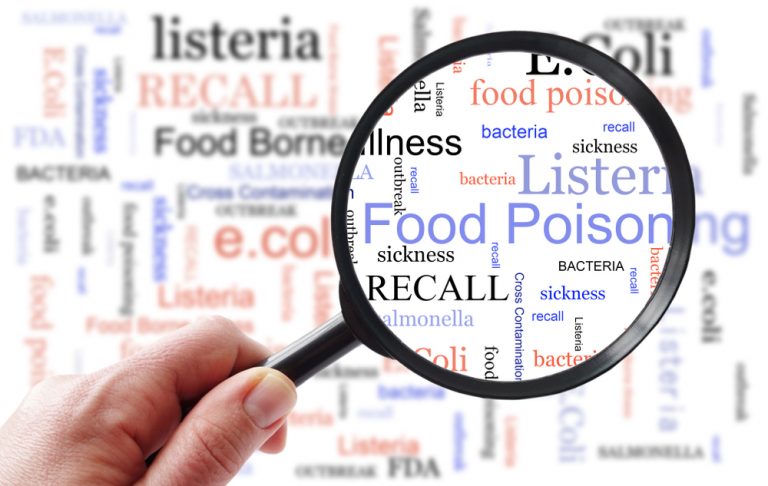
Food Safety
Food safety includes all practices that ensure food remains safe to eat from production to consumption.
Food Adulteration
Adulteration means adding harmful, cheap, or unauthorised substances to food, such as artificial colours, stones, water, or chemicals.
Contamination
Food becomes contaminated when germs, chemicals, or foreign materials enter it, making it unsafe.
Cross-Contamination
This occurs when germs from raw food spread to cooked or ready-to-eat food through hands, utensils, cutting boards, or surfaces.
Foodborne Illness
An illness caused by consuming contaminated food. Common symptoms include vomiting, diarrhoea, stomach pain, and fever.
Pathogens
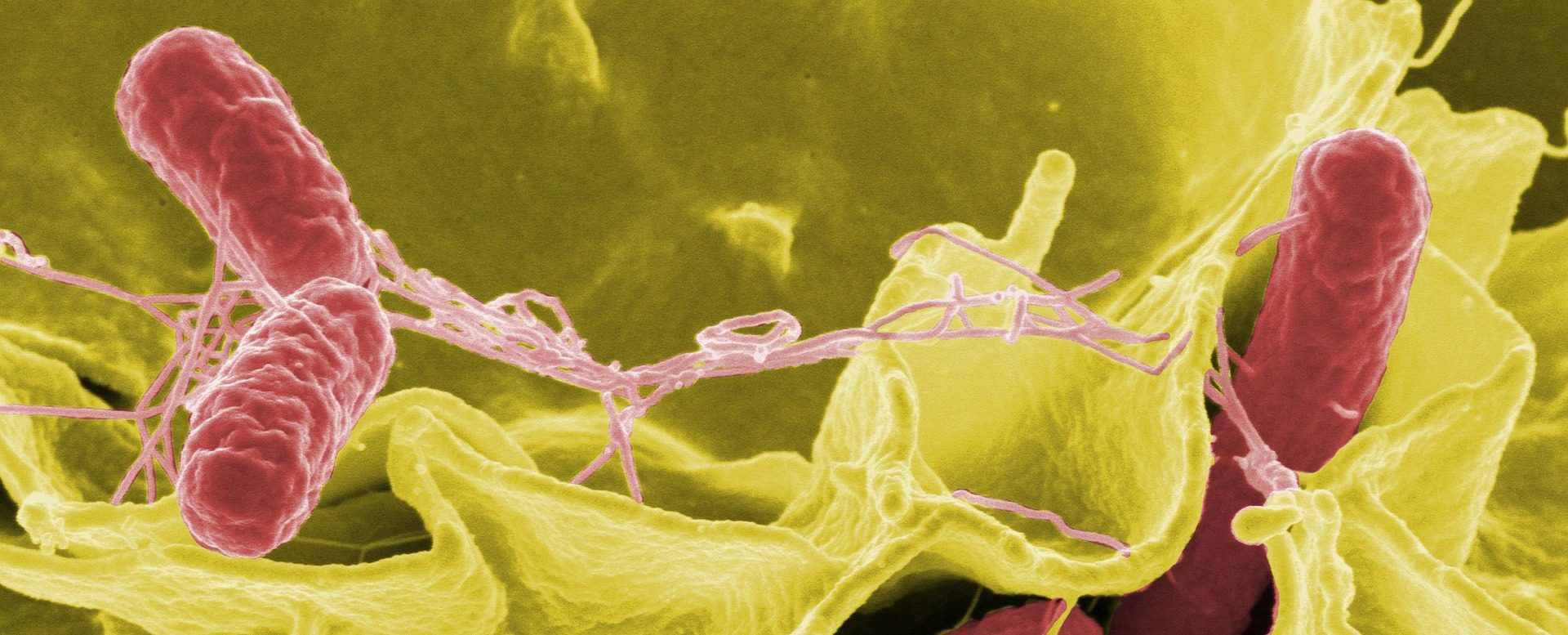
Pathogens are disease-causing microorganisms such as bacteria, viruses, or parasites found in unsafe food.
Biological Hazard
Hazards caused by living organisms, including bacteria like Salmonella or viruses like Norovirus.
Chemical Hazard
Harmful chemicals in food, such as pesticide residues, cleaning agents, or heavy metals.
Physical Hazard
Foreign objects in food, such as hair, glass, plastic, stones, or metal fragments.
Hygiene
Clean habits like washing hands, wearing clean clothes, and keeping kitchens clean to prevent contamination.
Sanitisation
The process of reducing germs on food-contact surfaces using approved chemicals or heat.
Temperature Control
Keeping food at safe hot or cold temperatures to slow or stop bacterial growth.
Danger Zone
The temperature range between 5°C and 60°C is where bacteria multiply quickly.
Cold Chain
A system that maintains proper temperature during storage and transport to keep food safe.
Shelf Life
The period during which food remains safe and suitable for consumption when stored correctly.
Best Before Date
Indicates food quality, not safety. Food may still be safe after this date if stored properly.
Use By / Expiry Date
The last date by which food is safe to eat. Food should not be consumed after this date.
Preservatives
Approved substances are added to food to slow spoilage and extend shelf life.
Additives
Substances added to improve taste, colour, texture, or appearance, as permitted by law.
Residues
Small amounts of chemicals are left on food, such as pesticide or veterinary drug residues.
Tolerance Limit
The maximum safe level of a chemical or substance allowed in food.
Food Grade
Materials that are safe to come into contact with food, including containers and packaging.
Packaging Integrity
Packaging that is sealed, intact, and undamaged protects food from contamination.
Spoilage
Food deterioration is caused by microbes, air, moisture, or improper storage.
Regulatory and Inspection Terms
FSSAI
The Food Safety and Standards Authority of India is responsible for regulating food safety nationwide.
FSS Act, 2006
India’s main law that sets standards for food safety and enforcement.
Food Business Operator (FBO)
Any individual or company involved in manufacturing, storing, transporting, selling, or serving food.
License and Registration
Legal approvals required to run a food business, based on size and turnover.
Risk-Based Inspection (RBIS)
An inspection system where authorities focus more on food businesses that pose higher safety risks.
Food Sampling
The process of collecting food samples for laboratory testing.
Misbranding
Providing false, misleading, or incomplete information on food labels.
Recall
Removing unsafe or non-compliant food products from the market.
Seizure
Confiscation of unsafe food items by food safety authorities.
Penalty
A fine imposed for violating food safety rules.
Complaint Redressal
The process through which consumers report food safety issues to authorities.
Conclusion
Food safety is a shared responsibility. While authorities enforce laws and standards, informed consumers and responsible food businesses play an equally important role. Understanding common food safety terms helps people identify risks, follow safer food practices, and respond quickly to unsafe food situations. Simple awareness can prevent illness, protect families, and strengthen trust in the food system. By learning these basic terms, consumers empower themselves to demand safer food and contribute to a healthier society.