Food Manifest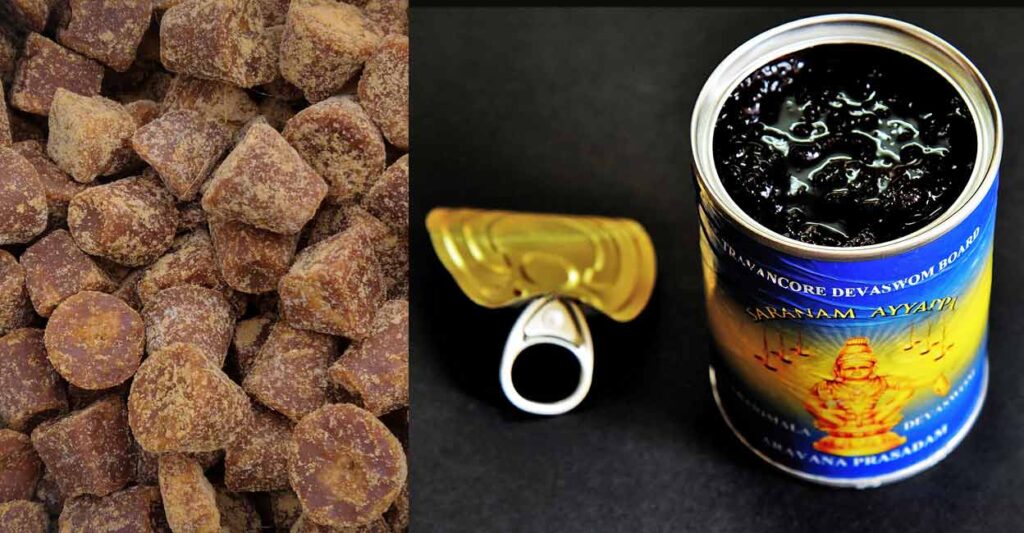
Key Development
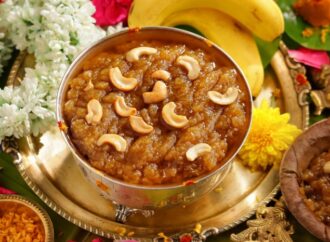
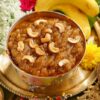
The Travancore Devaswom Board (TDB) has confirmed that excessively sweet jaggery and reduced moisture content during cooking caused 1.6 lakh tins of Aravana prepared for pilgrim distribution at Sabarimala to harden, resulting in a financial loss of approximately ₹1.60 crore.
Officials said the Board prepared the Aravana in advance as a buffer stock before the opening of the temple for the Mandala pilgrimage season. To ensure longer shelf life during extended storage, workers reduced the moisture content to the lowest possible level during cooking. However, the quality and sweetness of the jaggery used, combined with prolonged cooking, adversely affected the texture, causing the Aravana to harden.
Jaggery sourced from Maharashtra after lab clearance at Pampa
The Devaswom Board procured jaggery from Maharashtra, awarding contracts for 45 lakh kg to three factories—Viraj, Yashwant, and Annapurna. Of this, 33 lakh kg reached Sannidhanam, while 8 lakh kg was transported to Pampa by road.
Officials said one supplier delivered jaggery that appeared lighter in colour and higher in sweetness than usual. The Food Safety Department tested the consignment at its laboratory set up at Pampa and confirmed that the jaggery was fit for human consumption. Based on this clearance, authorities transported the jaggery to Sannidhanam for use in Aravana preparation.
Prolonged cooking to extend shelf life led to hardening
Aravana prepared using the lighter-coloured jaggery appeared paler than usual. To prevent spoilage during long-term storage, workers extended the cooking time and further reduced the moisture content. Officials believe this step ultimately caused the Aravana to harden and lose its intended consistency, rendering it unsuitable for distribution.
The Board documented the 1.6 lakh tins of stone-like Aravana through a mahazar and stored them separately. Officials brought the issue to the attention of Devaswom Board President K. Jayakumar during a review meeting.
Sale halted as Aravana contributes a major share of the temple’s revenue
The President directed officials to withhold the hardened Aravana from sale until further decisions are taken. Aravana sales contribute a substantial portion of Sabarimala’s income. During the Mandala season, the temple earned ₹332.77 crore, of which nearly ₹200 crore came from Aravana sales. Due to limited availability this season, the Devaswom Board has imposed sales restrictions, limiting distribution to 20 tins per pilgrim. Officials said the Board may further tighten the restrictions due to the unprecedented rush of pilgrims.
Board recalls the 2023 cardamom issue that caused major losses
The Devaswom Board also recalled a similar setback in 2023, when it suffered significant losses due to cardamom quality concerns in Aravana. In January that year, the Food Safety Department halted the distribution of 6,65,159 tins, alleging the presence of excess toxins in cardamom.
Although a central laboratory later confirmed—following Supreme Court directions—that the cardamom contained no excess pesticide residues, prolonged legal proceedings lasting nearly 18 months rendered the Aravana completely unfit for use. The Board incurred a loss of ₹6.65 crore and had to destroy the stock, incurring additional disposal costs.
Source: Manoramaonline