Food Manifest
Steel plates and tumblers are everywhere in Indian kitchens. From homes and restaurants to hostels and temples, steel is trusted for its strength, durability, and ease of cleaning. Because it does not crack, melt, or visibly spoil, we often assume steel is automatically safe for food. This blind trust, however, can be misleading. Food safety does not depend only on cleanliness but also on the quality of the material, its condition, and how it reacts with food. Not all steel is food-grade, and even good steel can become a contamination risk when misused or worn out.
Not All Stainless Steel Is Food-Grade
Many people believe stainless steel is a single, uniform material. In reality, stainless steel comes in different grades, each meant for specific uses. Two commonly used grades in India are 304 and 202.
-
304 stainless steel is considered food-grade. It contains higher chromium and nickel, which give it strong resistance to corrosion and chemical reactions.
-
202 stainless steel is cheaper and widely used in low-cost utensils. It contains less nickel and more manganese, making it less stable when in contact with food.
Because both grades look similar, many restaurants and households unknowingly use non-food-grade steel for daily eating and cooking.
Metal Leaching: A Hidden Chemical Risk
Low-grade or deteriorating steel can release small amounts of metals into food, a process known as leaching. This risk increases when steel comes into contact with acidic foods. Common Indian foods that can trigger leaching include tomato-based curries, sambar, rasam, curd preparations, lemon rice, and pickles. The longer the food remains in the steel vessel, the higher the chance of reaction. In most cases, leaching does not cause immediate symptoms. However, repeated exposure to metals such as nickel and chromium may pose long-term health concerns, particularly for children, pregnant women, and people sensitive to metals.
Scratches and Biofilms: When Clean Is Not Clean Enough
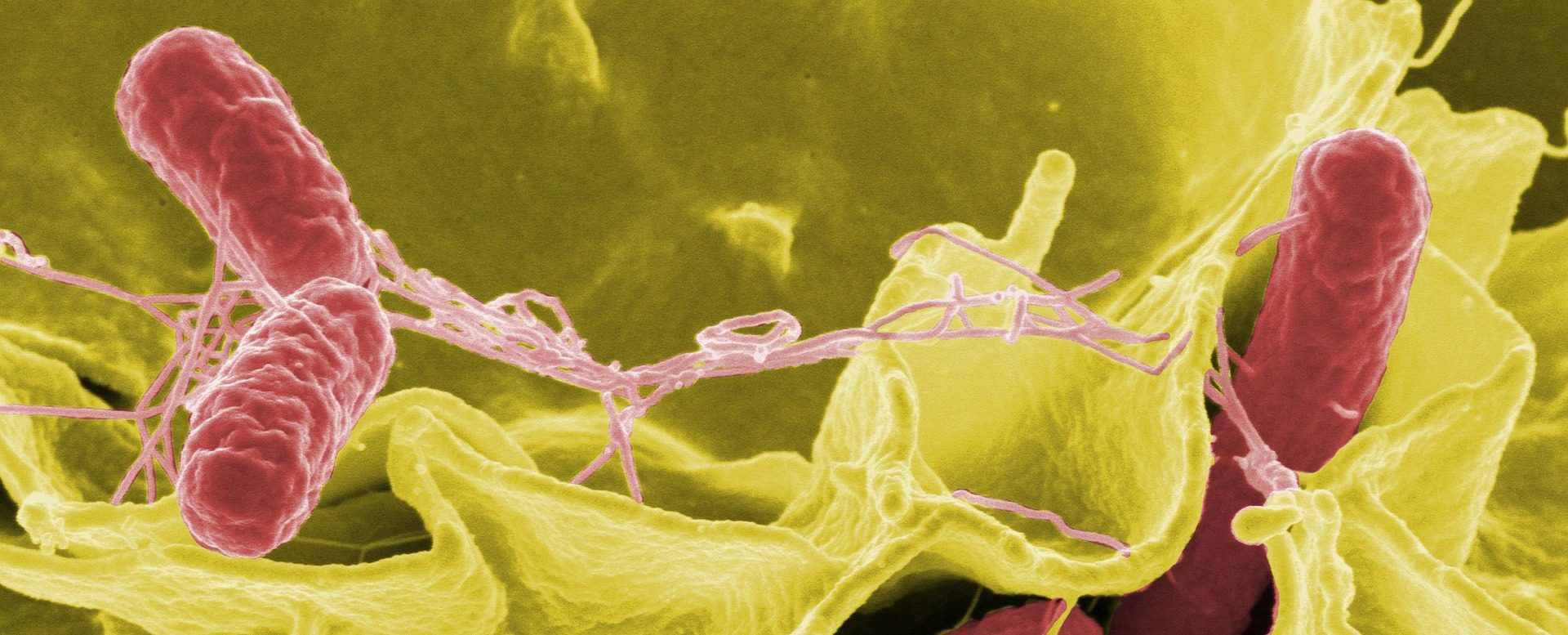
Steel plates and utensils develop scratches over time due to rough washing, stacking, and regular use. These scratches are not just cosmetic damage. Tiny grooves on steel surfaces trap food particles, moisture, and bacteria. Over time, microorganisms can form biofilms, which are thin layers of bacteria that strongly stick to surfaces and resist normal washing. This means a plate may appear clean and shiny but still carry harmful microbes that can contaminate fresh food.
Acidic Foods and Prolonged Storage
Steel is suitable for cooking and serving, but it is not ideal for storing food, especially acidic dishes. Problems often arise when food is left in steel containers for long hours or reheated repeatedly in the same vessel. Warning signs include:
-
Metallic taste in food
-
Slight colour changes
-
Dark stains inside vessels
Ignoring these signs can increase the risk of chemical contamination over time.
Why Restaurants Need to Audit Steel Utensils
In commercial kitchens, steel utensils are subjected to heavy daily use. Plates, ladles, and cooking vessels tend to wear out more quickly, thereby increasing the risk of contamination. Restaurants should:
-
Prefer 304-grade stainless steel for all food-contact surfaces
-
Regularly inspect utensils for scratches, dents, and corrosion
-
Replace damaged steel instead of continuing to use it
-
Avoid harsh scrubbers that damage surfaces
-
Include utensil checks in routine food safety audits
Food safety does not stop at ingredients—it extends to every surface that touches food.
Conclusion: A Familiar Risk We Overlook
Steel remains one of the safest materials for food when chosen and maintained correctly. However, poor-quality steel, damaged surfaces, and improper use can quietly turn it into a food safety risk. Understanding steel grades, avoiding prolonged contact with acidic foods, and replacing worn-out utensils can significantly reduce contamination risks. Food safety often fails not because of ignorance, but because of assumptions. The next time you eat from a steel plate, it is worth asking a simple but important question:
Is your steel plate really safe?