Food Manifest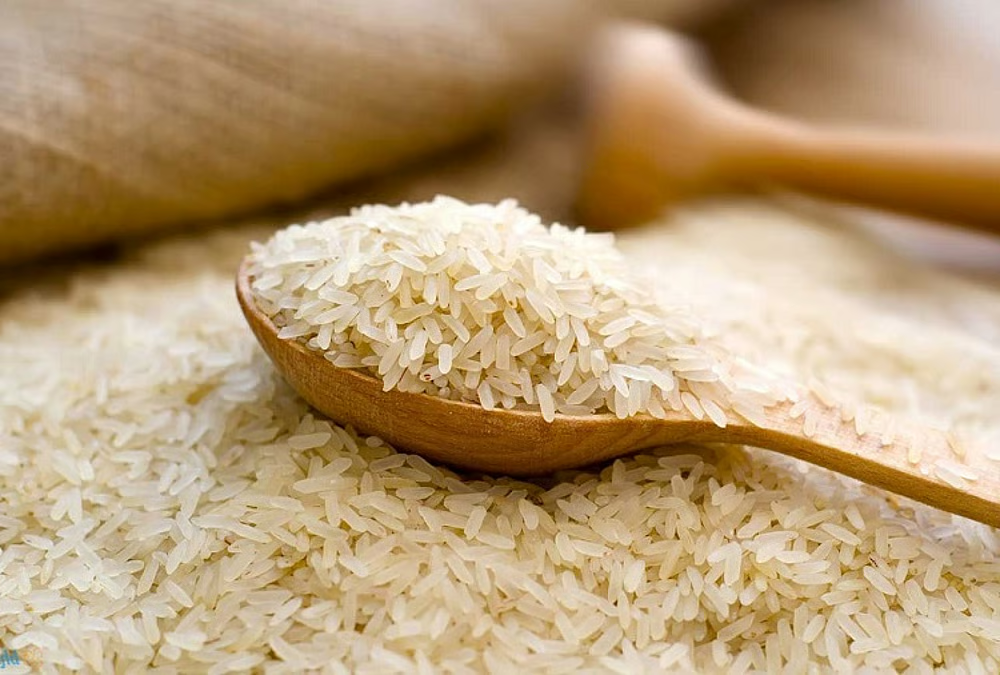
Key Update
Few food rumours spread as quickly as the claim of “plastic rice.” Viral videos showing grains that bounce, float, or react to fire often resurface online, triggering anxiety—especially in countries where rice is a daily staple.
Is Plastic Rice Real?
The rumour gained traction in the mid-2010s through social media and messaging platforms, often linked to fears of counterfeit food. However, investigations by food safety authorities in India, China, and Southeast Asia found no evidence of large-scale production or sale of synthetic plastic rice meant for human consumption.
What Authorities Have Actually Found
While plastic rice itself remains a myth, authorities have detected isolated cases of food adulteration—such as excessive polishing, chemical treatments, or mixing low-grade rice for non-consumer use. These practices are illegal and unsafe, but they are not the same as rice grains made entirely of plastic.
Why Rice Can Look Suspicious
Natural properties of rice often trigger doubt. Cooked rice hardens as it cools, causing grains to bounce. Some varieties appear glossy or translucent, and highly polished rice may look unnaturally shiny. When burned, rice can char or form hardened residue due to caramelised starch, not plastic. Short, dramatic videos often strip these reactions of context, turning normal kitchen behaviour into a false alarm.
Why Viral Home Tests Mislead
Popular home “tests” don’t prove anything. Rice may float or sink based on variety and trapped air. Burning rice produces a charred smell because it is organic. Hard texture or resistance to crushing is normal for uncooked rice. Home experiments raise suspicion, but only laboratory analysis can confirm composition.
What You Should Check Instead
Buy rice from reliable brands or trusted sellers. Choose sealed packs with batch details and food safety certifications. Avoid loose rice with unclear origins. Healthy rice grains look consistent for their variety and lack excessive dust or strange residues. A mild, neutral smell is normal; sour or chemical odours indicate spoilage. Cloudy water during rinsing is expected, as it removes surface starch and polishing residues. If rice behaves unusually—stays rock-hard after prolonged cooking, releases odd colours, or smells unnatural—do not consume it.
The Bottom Line
Plastic rice flooding markets remains a myth driven by fear and viral misinformation. Food adulteration does occur, but it usually takes subtler forms. Sensible buying habits, basic inspection, and attention to cooking behaviour offer the best protection—not viral kitchen tests. Rice has nourished societies for centuries. With awareness and calm judgement, you can continue to consume it safely and confidently.
Source: The Times of India