Food Manifest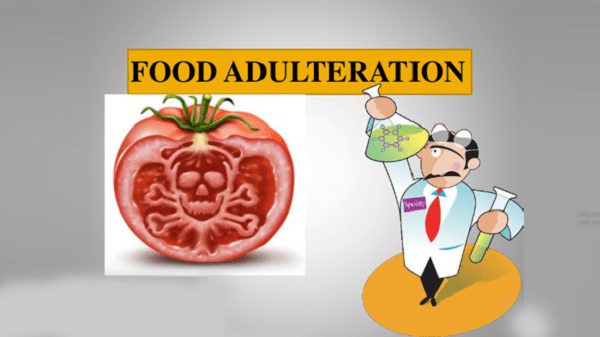
Key Development
Renowned for its vibrant street food culture and devoted food lovers, Surat is now grappling with a growing problem—food adulteration. In 2025, the health department of the Surat Municipal Corporation (SMC) seized more than 13 times the quantity of adulterated, substandard, and fake food products compared to the previous year. Officials linked this sharp rise to intensified joint raids carried out by the civic body’s food safety department and the police.
Value and Volume of Unsafe Food Spike
In 2024, SMC confiscated unsafe food items—including ghee, paneer, cheese, and other products—worth ₹14.23 lakh. In 2025, the value of seized goods jumped to ₹1.96 crore. The volume of adulterated food seized also rose dramatically, from 4,860 kg in 2024 to 75,356 kg in 2025. Officials found that manufacturers produced many of these items using non-milk raw materials and sold them as genuine milk-based products.
Eateries widely sourced these adulterated products and used them daily in large quantities, raising serious food safety concerns. The food safety department also conducts enforcement drives throughout the year, testing food at outlets selected randomly or based on complaints. Along with food sampling, teams carry out comprehensive inspections of outlets across multiple safety and hygiene parameters.
Day and Night Inspections Across the City
To strengthen monitoring, SMC has deployed one team of food safety officers in each of its nine zones for daytime inspections. The department has also started night-time checks, as many food outlets operate late into the night. Each team comprises three food safety officers.
Hygiene, Licensing, and Employee Health Checks
During inspections, teams assess hygiene conditions in and around the outlet and verify proper waste disposal systems. They examine food items closely and collect samples if they suspect adulteration. Teams also check mandatory licences and legal documents required to operate the establishment. In restaurants, officials additionally collect and verify the health certificates of employees.
Testing and Penalties for Violations
Teams send all collected samples to the SMC laboratory for testing. When tests confirm that food is unfit for human consumption, the municipal court penalises the concerned outlet.
Source: The Times of India