Food Manifest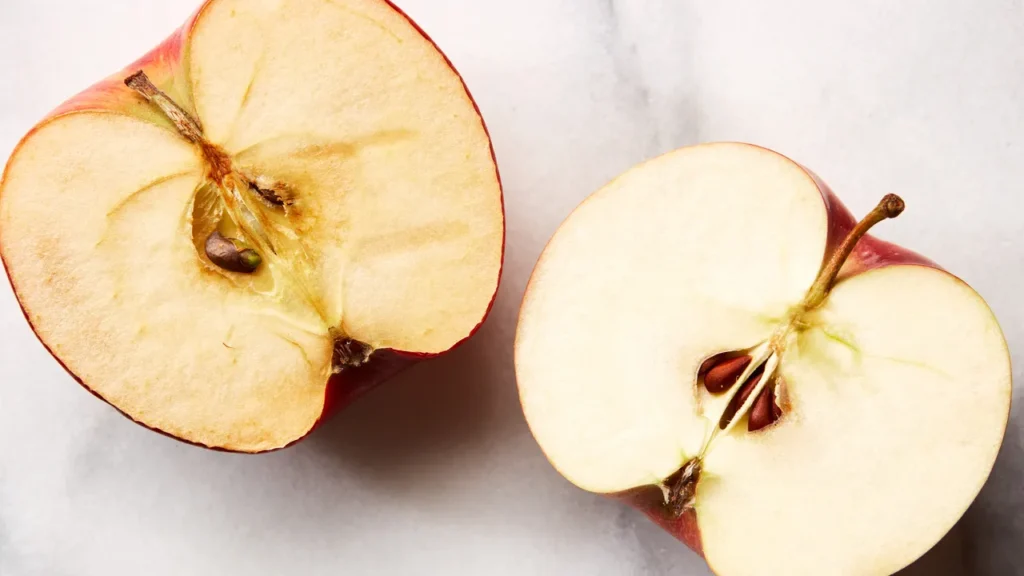
Have you ever cut an apple, left it on the counter for a few minutes, and noticed it slowly turning brown? Many people immediately assume that this colour change means the apple has gone bad or is unsafe to eat. In reality, the browning of apples is a natural chemical reaction called enzymatic browning—it’s not a sign of spoilage. Still, knowing why it happens is important because it highlights how cut fruits become more vulnerable to bacteria, how hygiene matters, and what steps you can take to handle, store, and consume them safely.
The Science Behind Apple Browning
When an apple is whole, its skin acts as a natural protective barrier. Once you cut or bite into it, the inner flesh gets exposed to air. This triggers a process called enzymatic browning. Inside apples is an enzyme called polyphenol oxidase (PPO). When PPO comes in contact with oxygen, it reacts with naturally occurring compounds called polyphenols. This reaction produces brown-coloured pigments known as melanins. The same process occurs in bananas, potatoes, and brinjals. Importantly, this browning is not caused by bacteria or fungi—it is simply a chemical reaction between the fruit and oxygen.
Is a Brown Apple Unsafe to Eat?
In most cases, a browned apple is still safe to eat, especially if:
-
It was freshly cut
-
It was handled with clean hands and utensils
-
It shows no foul smell, slime, or mould
The brown colour only indicates oxidation, not contamination. From a food safety perspective, browning alone does not increase the risk of food poisoning.
When Browning Becomes a Food Safety Concern
While browning itself is harmless, cutting an apple increases its vulnerability:
-
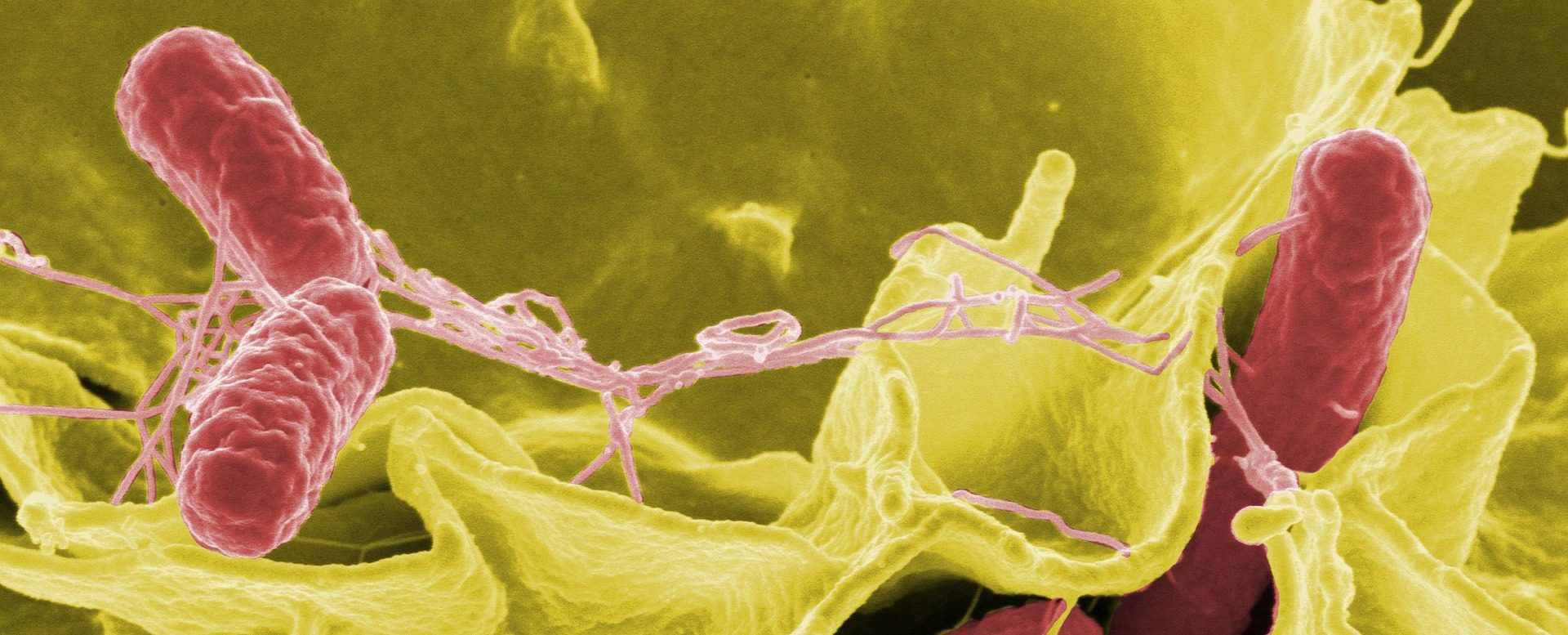
Microorganisms from hands, knives, surfaces, or air can contaminate the fruit
-
The moist, sugary surface becomes an ideal environment for bacterial growth
-
Improper storage allows microbes to multiply quickly
If a cut apple is left at room temperature for several hours, especially in warm and humid conditions, it may become unsafe—even if it looks only slightly brown. This shows that appearance alone is not a reliable indicator of food safety.
Pre-Cut Apples and Hygiene Risks
Pre-cut fruits, including apples, carry higher food safety risks if hygiene is poor. This is especially relevant for:
-
Cut-fruit vendors
-
School lunch boxes
-
Hospitals and care homes
Unclean knives, chopping boards, or hands can easily transfer bacteria to the fruit. Refrigeration slows bacterial growth but does not stop it completely. Improperly stored cut apples can become unsafe within a short time.
Why Lemon Juice Slows Browning
Many people add lemon juice to cut apples to keep them fresh. This works because lemon juice:
-
Lowers the pH (makes the surface acidic)
-
Slows down enzyme activity
-
Reduces oxidation
From a food safety perspective, acidity can also slow microbial growth, but it does not make contaminated food safe. Lemon juice helps preserve quality—it does not correct unsafe handling.
Safe Handling Tips for Cut Apples
To reduce food safety risks:
-
Wash apples thoroughly before cutting
-
Use clean knives and cutting boards
-
Consume cut apples as soon as possible
-
Refrigerate if not eaten immediately
-
Avoid keeping cut apples at room temperature for long
-
Discard if there is slime, off-odour, or visible mold
The Key Takeaway
Apple browning is a natural and harmless reaction, but it also signals that cut fruits need careful handling. Browning itself doesn’t make apples unsafe—but once cut, they become more vulnerable to bacterial growth if left at room temperature or handled unhygienically. By understanding this simple chemical change, we can make smarter choices about washing, cutting, storing, and consuming fruits, keeping both waste and foodborne risks in check.