Food Manifest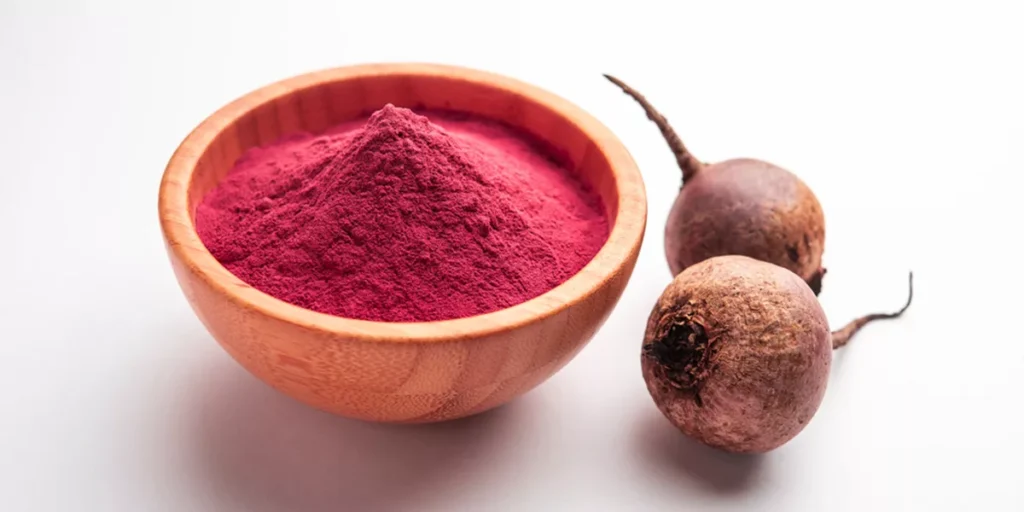
Key Development
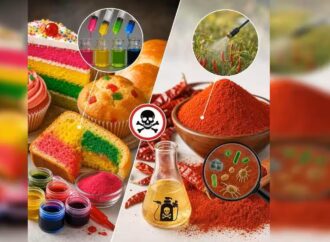
As part of efforts to phase out petroleum-based synthetic food dyes, the US Food and Drug Administration (FDA) has approved beetroot red and expanded the permitted use of spirulina extract in food products. With this decision, the FDA has now approved six natural food colours under the current administration.
Expanded Approval for Natural Dyes
Beetroot red, available as a powder or liquid, provides a reddish-purple colour. Spirulina extract, derived from the cyanobacterium Arthrospira platensis, was already permitted in several foods and beverages. The latest approval allows its use in a wider range of human foods, excluding infant formula and certain products regulated by the US Department of Agriculture.
Clearer Labelling for Consumers
The FDA has also allowed foods made with natural dyes to carry the label “no artificial colours.” Earlier, manufacturers could make such claims only if products contained no added colours. The change aims to help consumers clearly distinguish foods coloured with synthetic dyes from those using natural alternatives.
Synthetic Dyes and Health Concerns
Commonly used synthetic dyes in the US include Red Nos. 3 and 40, Yellow Nos. 5 and 6, and Blue Nos. 1 and 2. Studies have linked some of these dyes to health risks, including cancer and neurobehavioural effects, prompting increased regulatory scrutiny. The FDA banned Red Dye No. 3 in January 2025 and has announced plans to work with the food industry to eliminate synthetic dyes from the food supply by January 2027. Several states have introduced or passed laws to ban, restrict, or require labelling of artificial food colours. In parallel, major food manufacturers and retailers have committed to reducing or eliminating synthetic dyes from their products.
Safety of Natural Alternatives
Petitions for beetroot red and spirulina extract were submitted by natural colour manufacturers and evaluated by the FDA. Experts note that while “natural” does not automatically mean safe, plant- and algae-based colourants used in small, regulated quantities are unlikely to pose food safety risks. The main safety concern with spirulina relates to contamination in unregulated supplements, not FDA-approved food uses. The FDA has also approved other natural dyes, including butterfly pea flower extract, calcium phosphate, and gardenia blue.
Source: CNN Health