Food Manifest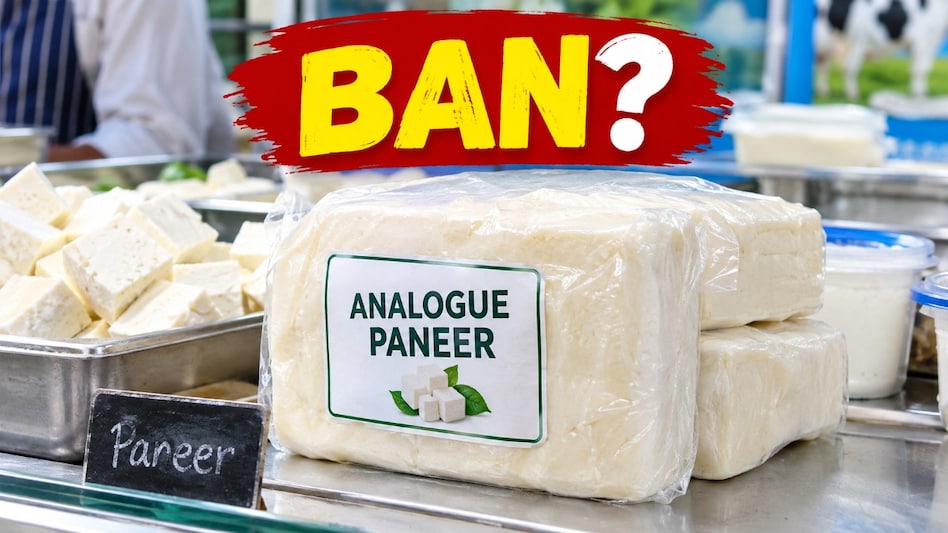
Key Update
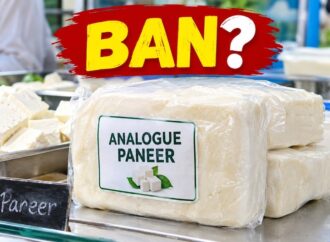
India could introduce a nationwide ban on analogue paneer if states reach a consensus at a meeting scheduled for September 24, according to Food Safety and Standards Authority of India (FSSAI) Chief Executive Officer Rajit Punhani.
Eight states — Punjab, Karnataka, Maharashtra, Gujarat, Chhattisgarh, Madhya Pradesh, Himachal Pradesh and Uttarakhand — have already banned the product. Their restrictions cover its manufacture, processing, packaging, storage, transportation, distribution and sale.
The Centre has not yet announced a national ban and will consider feedback from the states before taking a decision.
What Is Analogue Paneer?
Analogue paneer is a substitute product in which manufacturers partly or completely replace milk ingredients with vegetable oils, starches, emulsifiers and other non-dairy components. It differs from traditional paneer, which is made from milk. Punhani said several countries permit analogue dairy products, while some Indian states want consumers to have access only to milk-based paneer because paneer is an important source of food and protein.
Food Safety Enforcement Intensifies
The proposed ban comes as authorities intensify inspections of restaurants and manufacturers of packaged foods and spices ahead of the festive season. According to figures cited by Punhani, authorities have issued more than one lakh notices, suspended around 5,000 food licences, arrested over 600 people and secured nearly 1,900 convictions in recent months. Penalties have been imposed in around 33,000 cases.
Punhani clarified that the figures do not mean every inspected business was found violating food safety rules, as compliant establishments generally receive less attention. He also said the percentage of violations is declining as food safety compliance improves.
Online Food Platforms Asked to Display Dates
The enforcement drive also covers e-commerce and quick-commerce platforms. FSSAI is urging them to display manufacturing and expiry dates more prominently on online food listings. Punhani identified the absence of these details on digital platforms as a concern for the regulator, particularly as online food sales continue to face greater scrutiny.
HFSS Food Restrictions Proposed Near Schools
FSSAI is also drafting rules to restrict the sale of foods high in fat, salt and sugar (HFSS) within 50 metres of schools nationwide. The proposal forms part of the Eat Right Campaign and would restrict the availability of such foods around educational institutions. Maharashtra already restricts the sale, advertising and free distribution of junk food within 50 metres of schools, while Delhi has adopted similar restrictions following a court case.
Front-of-Pack Warnings Still Under Consideration
Meanwhile, proposed front-of-pack warnings for foods high in sugar, salt or fat are still under consideration. The Supreme Court has directed FSSAI to provide a scientifically justified timeline and clarify the warnings’ design, size, colour and placement. FSSAI has proposed a red hexagon, although the court has not yet taken a final view on the format.
The regulator initially proposed a two-phase rollout. The first phase would cover highly sweetened beverages and foods exceeding prescribed limits for at least two of the three nutrients, while the second would cover products exceeding the limit for any one of the three. Before implementation, FSSAI must publish draft regulations, invite public comments and notify the proposal to the World Trade Organisation (WTO) because the measure could affect international trade. Manufacturers would then need time to comply and replace existing packaging.
Source: NDTV