Food Manifest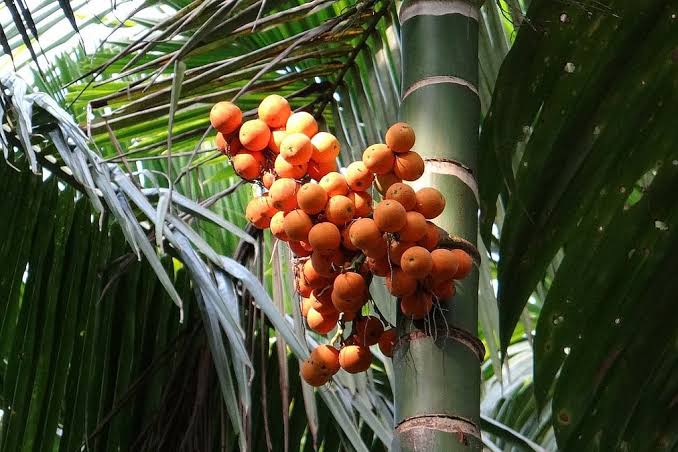
Key Update
Food safety officials in Karnataka have initiated legal proceedings after laboratory tests identified unsafe and substandard arecanut samples from a consignment seized in Kolar district. Authorities intercepted 174 bags of arecanuts in Mulbagal taluk on September 14 and are conducting further tests to determine whether the violations extend to the remaining stock.
The consignment was reportedly being transported from Assam via Kolkata for distribution across Karnataka, Kerala, Andhra Pradesh and Tamil Nadu.
Officials Seize 174 Bags Over Documentation Lapses
Food Safety and Drug Administration (FSDA) officials intercepted the vehicle after its driver allegedly failed to produce essential documents relating to the ownership and transportation of the consignment, FSSAI licence or registration details, packaging and labelling, and product quality. The driver reportedly fled the scene during the inspection. Authorities subsequently moved all 174 bags to the Food and Civil Supplies wholesale godown at the Kolar district headquarters for safekeeping.
Laboratory Tests Identify Unsafe and Substandard Arecanuts
Officials collected five samples for laboratory analysis: three legal samples and two survey samples.
The results revealed food safety and quality violations in four of the five samples. Among the three legal samples, one was classified as both unsafe and substandard, another as unsafe, and the third as substandard. Of the two survey samples, one tested unsafe, while the other was found to be safe.
Following these findings, officials collected a legal sample from the lot corresponding to the unsafe survey sample to support further action. They are also collecting additional samples from the remaining bags to determine whether other portions of the consignment fail to meet food safety requirements. The findings highlight the importance of laboratory testing in identifying food safety violations that may not be apparent from an external inspection alone.
Authorities Initiate Proceedings Under Food Safety Act
Based on the laboratory results, officials have initiated proceedings under Sections 51 and 59 of the Food Safety and Standards Act, 2006.
Section 51 provides for penalties for substandard food, while Section 59 prescribes penalties for offences involving unsafe food. Authorities are pursuing the cases before the Judicial Magistrate First Class (JMFC) court and the Adjudicating Officer, who is the Additional Deputy Commissioner. The legal proceedings will determine the action warranted under the applicable provisions.
Officials Trace Intended Recipients
Meanwhile, the Designated Officer in Kolar has summoned the Food Business Operators (FBOs) listed as consignees on the shipment documents. Officials contacted the businesses using the phone numbers recorded on the docket bills.
According to officials, the consignees said they had purchased arecanuts from the wholesalers concerned for the first time and had completed the transactions online. Identifying the intended recipients forms part of the investigation into the consignment’s supply chain. Further testing will help officials assess the extent of the violations and determine what additional regulatory action may be necessary.
Further Testing Underway
Food safety officials are continuing to examine the remaining stock and assess the laboratory findings. The results of the additional tests, together with the ongoing legal proceedings, will guide further action.
The case underscores the importance of food testing, proper documentation, and supply-chain traceability in food safety enforcement. By identifying unsafe products and tracing their intended distribution, authorities can investigate potential violations and take appropriate action to protect consumers.
Source: The Hindu