Food Manifest
Key Update
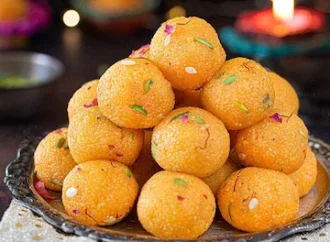
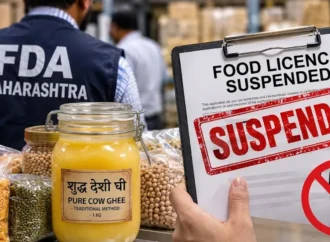
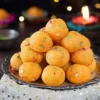
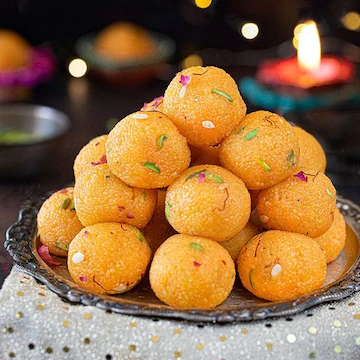
Maharashtra Food and Drug Administration (FDA) official Tukaram Mundhe has drawn attention after videos showed him crushing ladoos during inspections at sweet shops in Pune. He squeezes them between his palms, breaks them open, and examines their texture, insides, and residue for possible signs of excess oil and artificial colours.
According to clinical dietitian and diabetes educator Kanikka Malhotra, this simple sensory check can offer clues about a ladoo’s ingredients, fat quality, and freshness. A well-made ladoo should hold its shape, crumble evenly, and have a pleasant, nutty aroma if prepared with ghee. An unusually sticky, greasy, or hard texture may indicate problems with its ingredients or preparation. However, these observations are only preliminary and cannot confirm adulteration.
What Can Crushing a Ladoo Reveal?
Texture and consistency: A smooth, even crumble generally suggests that the flour has been roasted properly with ghee or the ingredients adequately bound with syrup. An excessively sticky or pasty texture may indicate too much syrup or starch-based fillers, while a rock-hard ladoo could point to old stock or insufficient fat.
Fat quality: An excessively greasy smear on the palms, particularly with a flat, heavy smell instead of a nutty ghee aroma, may raise questions about the use of cheaper fats instead of ghee. However, oil residue alone does not prove adulteration.
Grit and unusual particles: A sandy or chalky feeling, or an unusually coarse and powdery texture, may indicate an ingredient or preparation issue.
Colour: The inside of a ladoo should generally have a uniform colour consistent with its ingredients. An unusually bright yellow or orange colour may warrant closer inspection. Breaking open the sweet can reveal colouring or inconsistencies that may not be visible on the outside.
Freshness: A fresh ghee-based ladoo should have a warm, nutty aroma. Sour, rancid, or fermented smells may indicate stale sweets or deteriorated ingredients.
These checks are only preliminary. Malhotra cautions that crushing is not suitable for assessing mawa-based sweets. Sensory observations cannot establish adulteration; laboratory analysis is necessary to determine whether a sample meets food safety standards.
Other Ways to Check Ladoo Quality at Home
Consumers can look for a few warning signs, although these simple tests cannot confirm adulteration.
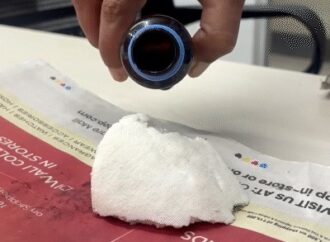
Tissue test: Press a ladoo against a clean white tissue. Excessive oil stains or unusual colour patches may warrant closer inspection. Some oil transfer is normal and does not, by itself, indicate adulteration.
Smell test: Fresh ghee has a warm, nutty aroma. A soapy, chemical-like, or stale smell should make consumers cautious.
Iodine test for starch: In mawa-based sweets, boil a small sample in water, allow it to cool, and add a few drops of iodine solution. A blue-black reaction can indicate the presence of starch. This is only a preliminary test and cannot establish whether a sweet is unsafe or adulterated.
What Should You Check When Buying Festive Sweets?
An unusually low price compared with similar products may be a reason to ask about a sweet’s ingredients and preparation, although price alone does not prove adulteration.
FSSAI guidance recommends that sweet shops display whether loose sweets are prepared using ghee, edible oil or vanaspati. Check this information before buying. For loose sweets, look for the best-before date displayed on the container or tray. For packaged products, check the ingredient list, FSSAI licence number, manufacturing date and best-before date.
Shelf life varies with ingredients and preparation. According to FSSAI guidance on traditional milk products, certain sweets such as kalakand are intended for same-day consumption. Boondi ladoos and some khoya-based sweets have an indicative shelf life of up to four days, while certain ghee- and dry-fruit-based varieties may last up to seven days. Always follow the product’s stated best-before date and storage instructions.
Buy smaller quantities from established shops that maintain good hygiene and have a reliable turnover of freshly prepared sweets. Proper storage remains important even when sweets are freshly made.
Can These Checks Guarantee That a Ladoo Is Safe?
No. A sweet that looks, smells, and feels normal may still contain harmful or unauthorised substances. Similarly, an unusual colour, smell, or texture does not automatically prove adulteration. If you suspect adulteration, retain the purchase details and, where possible, photographs or a sample. You can report concerns through FSSAI’s Food Safety Connect app or consumer grievance portal.
Sensory checks can help identify sweets that need closer examination, but laboratory analysis remains the most reliable way to establish whether they meet food safety standards.
Source: The Indian Express