 Food Manifest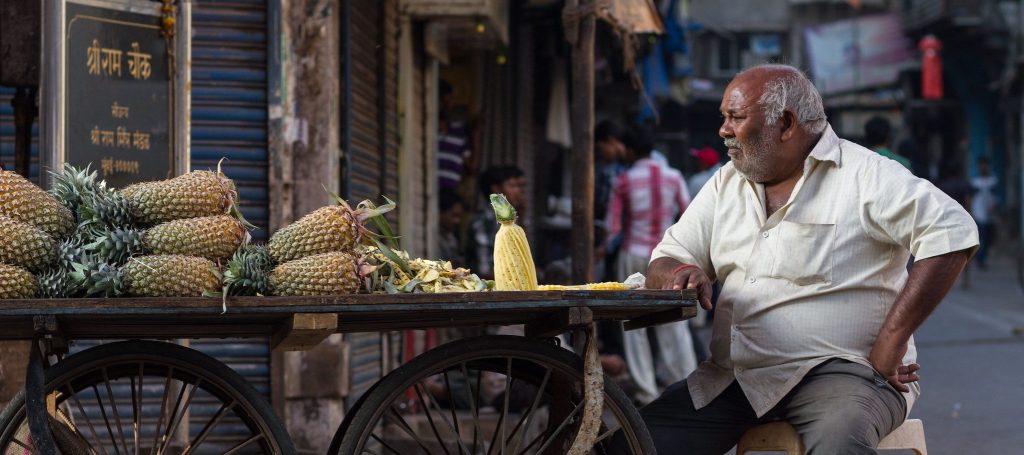
The onset of the global pandemic disrupted the way we lived. In a country marked by stark economic inequalities, daily-wage workers felt the impact particularly hard. Vendors selling pani puri and chaat, fruit and vegetables, and small local markets play a significant role in meeting our daily food needs.
Although supermarkets have become common, especially in urban areas and metropolitan cities, many of us still prefer buying seasonal fruits from street vendors, visiting local markets for fish and poultry, or stopping at a food stall for a quick cup of tea before work.
Some cities are particularly famous for their street food. Kathi roll and pani puri stalls line the streets of Kolkata, while chaat stalls remain a familiar sight across the country, especially in Delhi. In Mumbai, office-goers often stop for a quick bite of vada pav before heading to work.
Street food also offers affordable and convenient meal options. It can be especially useful for people who live in small flats without enough space for a proper kitchen, students living away from their families, or those who simply do not have enough time to prepare meals. Unlike expensive restaurants, street food stalls and vendors serve people across economic backgrounds, giving lower-income communities easy and affordable access to food.
However, the arrival of COVID-19 changed this familiar food landscape almost overnight.
The First Wave

A 2020 article reported that around 50–60 lakh food vendors operate across India, many of them migrants. When the government announced a nationwide lockdown on March 24, 2020, to contain the spread of COVID-19, critics questioned its execution, particularly the lack of planning for daily-wage workers who suddenly lost their livelihoods.
In the months that followed, news media carried images of migrant workers making long and difficult journeys back to their villages, often on foot because buses and trains were no longer available. Although India has moved beyond that devastating first wave, food vendors continue to face significant challenges.
The shutdown not only brought their businesses to a standstill but also left vendors struggling to meet their own medical needs and support their families. Many migrant workers returned from cities to their villages because they needed alternative sources of income and feared contracting the virus in densely populated urban areas. Some faced hunger, lacked social support beyond their vendor communities, and had to rely on loans to survive.
Before the pandemic, food vendors and local markets did brisk business despite facing social marginalisation and, in some cases, harassment from law enforcement. However, rebuilding their livelihoods and returning to anything close to the pre-pandemic “normal” has proved extremely difficult.
Returning to Business
Although authorities did not always permit them to reopen, many food vendors returned to work out of desperation. In August 2020, for example, the Maharashtra government told the High Court that it had no plans to allow street vendors to resume business. Restrictions across the country took several months to ease. During this period, the government initially did not include food vendors in any relief package.
The government later announced a Rs. 5,000-crore credit scheme for vendors and other groups. However, several hawkers’ unions, including those in Maharashtra, protested that the assistance would not provide enough support for people to meet their long-term needs.

Aside from fruit and vegetable sellers, who have been slightly better off (their work was deemed essential), many vendors who returned to work faced several challenges. They could no longer rely on a higher income during festival seasons, as most public festivities in the initial year of Covid-19 were either cancelled or curtailed. They also had issues obtaining supplies. Some food vendors required specialised ingredients, but due to the fact that the economic life of the country as a whole had come to a halt, the supply chain was broken. The availability of fewer supplies naturally caused price inflation for supplies that were available, and having faced months of little to no work, food vendors could no longer afford to meet those demands. If they could, they had to price their food items higher (not to mention taking into consideration consistent sanitation procedures), a cost customers would not necessarily be willing to pay.
To compound existing issues, digital apps like Swiggy and Zomato now have an immense presence in the urban food scene. Food vendors in Kolkata mentioned their own lack of digital literacy, and many don’t have fancier smartphone models, but get by with basic ones. In earlier years, when business was steady, food vendors did not think it was particularly necessary to get on board with food delivery apps. News reports have noted that both Swiggy and Zomato are partnering with government schemes to bring street vendors onto their platforms. However, it is unclear how this will square with recent controversies that both businesses are facing, as employees have complained of low pay and difficult working conditions.
Present Circumstances
Although the situation has improved since last year, many food vendors and stall owners remain pessimistic. Some vendors report a significant recovery in sales, but earnings still fall well short of pre-COVID levels.
Hybrid work and work-from-home routines have also changed consumer habits. Fewer customers now visit their favourite street food stalls. Many order groceries online and have meals delivered to their homes. Evening visits to tea stalls to catch up with friends and co-workers have also declined.
Irregular train schedules have created another challenge. Many daily-wage workers once relied on street food and local vendors for their morning meals. With fewer commuters, vendors have lost an important customer base. Several night curfews in some states created additional difficulties. Vendors had to close by around 8 pm, often just when they would normally see more customers.
Organisations such as the National Association of Street Vendors of India have also launched programmes to help vendors adapt. In Delhi, vendors received training on maintaining clean and disinfected spaces, installing water dispensers, and offering online payment options. Many vendors remain eager to restart their businesses and are willing to invest in these measures. However, maintaining social distancing, particularly in crowded markets, remains a challenge.
Moving Forward
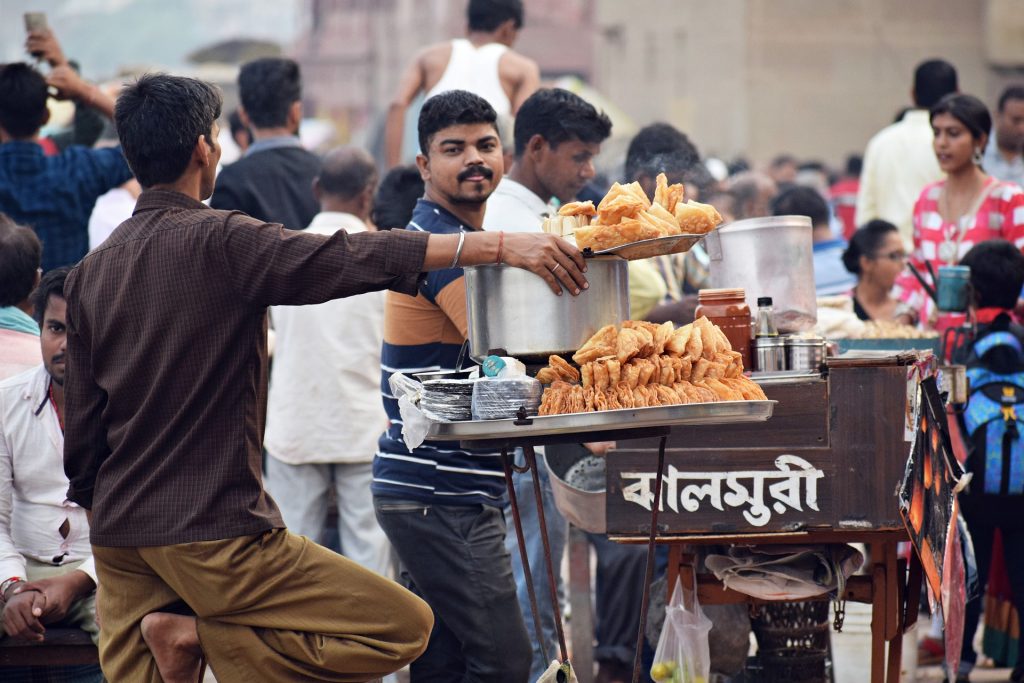
It is difficult to predict how such a large and informal industry will recover from this blow. The COVID-19 pandemic has hit daily-wage workers particularly hard. Government support has also been slow and often inadequate.
Some vendors who once cooked and sold street food now survive by selling vegetables and other essentials. Others struggle to attract more than a few customers each day. The fear of subsequent waves has kept the country on edge. It has also highlighted how the pandemic has pushed many vulnerable communities deeper into poverty.
Many street vendors have also reported frequent conflicts with law enforcement. This happens even though they remain a familiar part of India’s street food culture. The sector remains informal in many ways. Many food vendors still operate without licences, which adds to their difficulties.
The challenges of the past year have undoubtedly placed enormous pressure on these vendors. Rising COVID-19 cases have also discouraged people from eating outside. We may not be able to visit our neighbourhood chaat-wallahs as often as we once did. However, we can still support them in other ways. For instance, we can promote our favourite street food vendors on social media. We can also support NGOs that work to improve their livelihoods. The One Rupee Foundation has donated gloves to street vendors in Delhi. Meanwhile, V-LEAD in Mysore trains vendors to form self-help groups. These groups can help vendors reduce their dependence on moneylenders.
There are no immediate or all-encompassing solutions to this problem. However, we must recognise the important role street food plays in India’s cultural heritage. We also need greater public and government engagement with the broader issues of poverty, negative attitudes towards migrants, and social inequalities. Supporting street vendors means looking beyond food. It means recognising the people and livelihoods that keep this essential part of India’s food culture alive.









Leave a Comment
Your email address will not be published. Required fields are marked with *