Food Manifest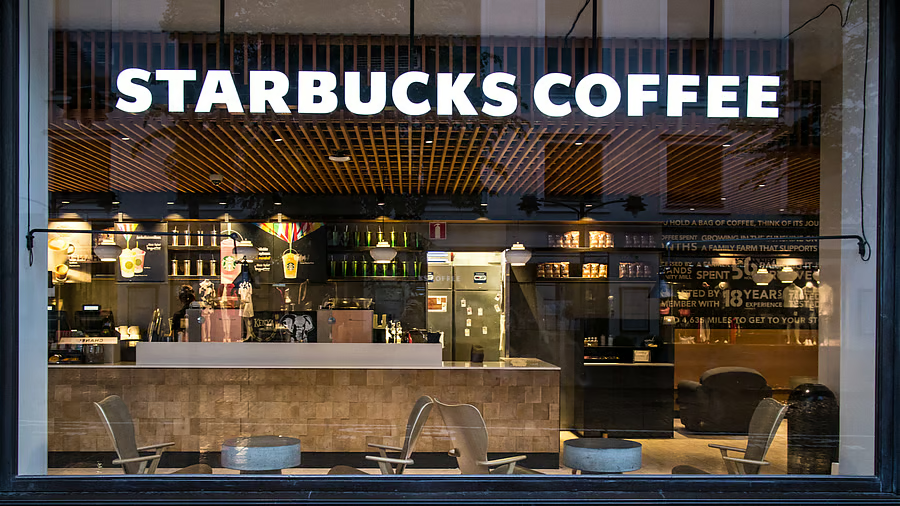
Key Update
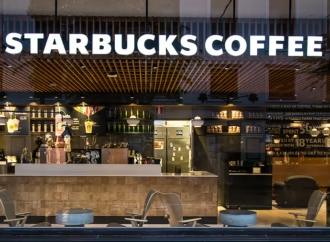
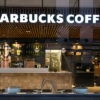
Starbucks is facing a class-action lawsuit in the US over eight protein beverages labelled “sugar-free” that contain 13 to 21 grams of sugar per venti serving. The lawsuit alleges that the drinks contain lactose, a naturally occurring sugar in milk. The products include sugar-free vanilla and caramel protein lattes and protein matchas, along with their iced versions. Hagens Berman filed the lawsuit on behalf of three consumers from California, New York and Washington.
The law firm argues that consumers may choose sugar-free products to manage their health or blood glucose levels, making accurate labelling important. Starbucks has denied the allegations and said it provides nutritional information about its beverages, sugar-free options and customisation choices through its menus, website, app and marketing materials.
What Does ‘Sugar-Free’ Mean?
The lawsuit raises a key question: Can a product containing naturally occurring sugar carry a sugar-free claim? The answer depends on the applicable regulatory definition and the amount of sugar in the finished product. Lactose in milk and fructose in fruit are natural sugars, and they contribute to a food’s total sugar content. This distinction matters for milk-based beverages, where lactose can contribute to total sugars even when manufacturers do not add sugar.
Natural Sugar vs Added Sugar
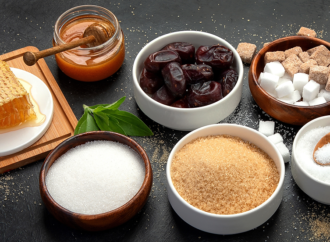
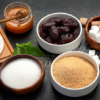
Natural sugars occur in foods such as fruits and dairy products, which also provide nutrients such as fibre, vitamins, minerals, protein and calcium. Added sugars, meanwhile, enter foods during processing, preparation or consumption. They include table sugar, honey, maple syrup and high-fructose corn syrup. The two types differ in their nutritional context, but both contribute to the sugar content of a food or drink.
Do Natural Sugars Count on Nutrition Labels?
Yes. The US Food and Drug Administration (FDA) requires nutrition labels to list total sugars, which include naturally occurring and added sugars. Labels separately list added sugars so consumers can see how much sugar manufacturers have added. For example, the total sugar in a milk-based drink can include naturally occurring lactose as well as added sugar. That is why “no added sugar” does not mean “sugar-free.” A product can contain no added sugar while still containing natural sugars from ingredients such as milk or fruit.
Why Sugar Claims Need Careful Reading
Claims such as “sugar-free,” “no added sugar,” and “organic” can create a health halo, making a product appear healthier based on a single claim. Consumers should therefore look beyond front-of-pack claims and check the total sugars, added sugars, and ingredient list before making a choice.
The Starbucks case highlights why this distinction matters: understanding whether a product contains natural or added sugar can help consumers interpret its nutritional claims more accurately.
Source: Deccan Herald