 Food Manifest
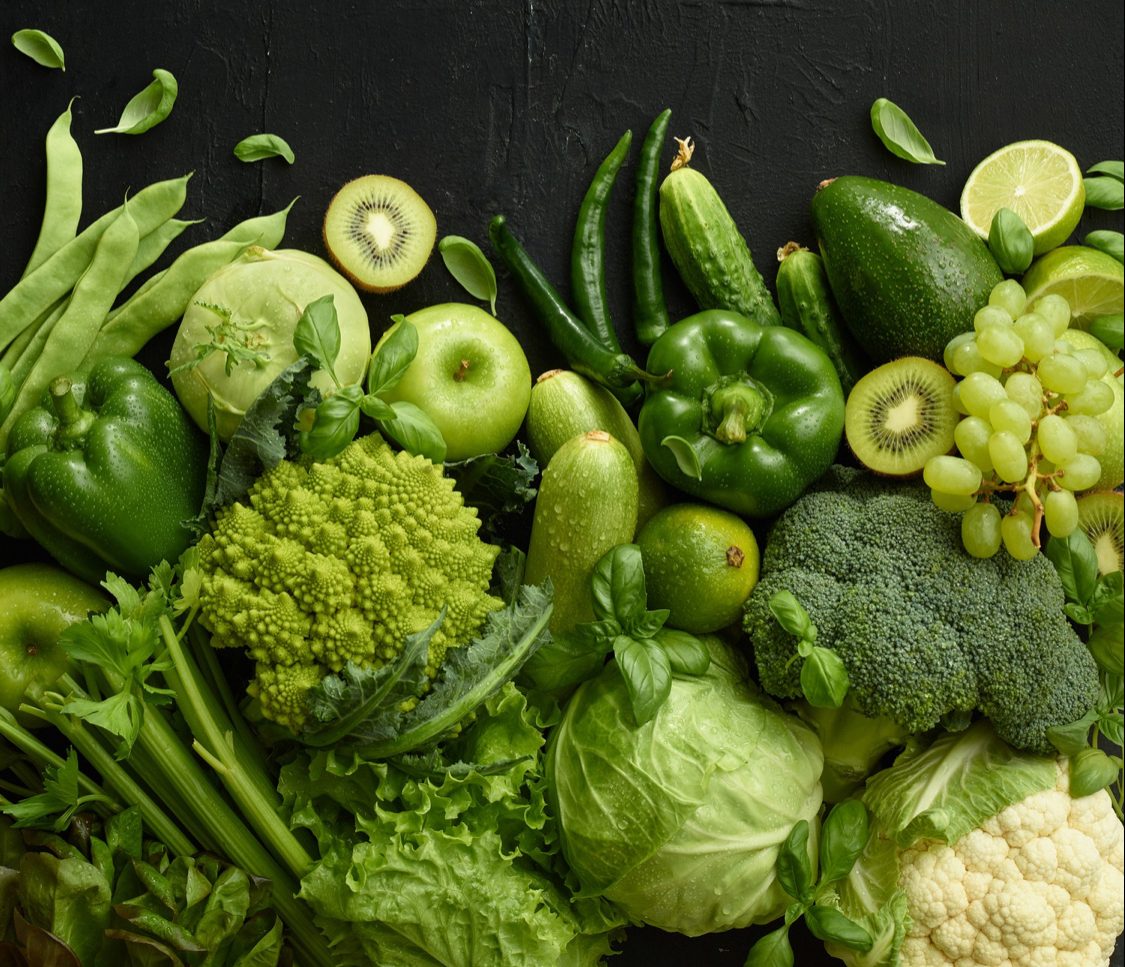
We often associate healthy eating with a diet rich in green vegetables. However, in today’s age of food adulteration, an excessively green appearance can sometimes signal a serious problem. Food adulteration remains a concern, so consumers should stay cautious when buying and consuming green vegetables and other food items. Vendors may use Malachite Green to make them appear more attractive.
Malachite Green is a synthetic organic dye. Industries use it for dyeing and other applications, while aquaculture operators have historically used it as an antibacterial agent. In 1877, German chemist Hermann Fischer prepared Malachite Green by condensing benzaldehyde and dimethylaniline in a 1:2 molar ratio in the presence of sulfuric acid. Industries use the compound for applications outside the food sector, but its presence in food raises food-safety concerns. FSSAI’s consumer guidance on food adulteration identifies Malachite Green as an adulterant that may enhance the colour of green vegetables and make fresh-looking produce appear more attractive.

Image by W. Oelen
Uses of Malachite Green
Malachite Green is a synthetic dye used in various industrial applications, including the dyeing of textiles, leather and other materials. It has also been used historically in laboratories and aquaculture, particularly for its antifungal properties.
However, its use in food is a food-safety concern, and FSSAI identifies Malachite Green as an adulterant that may be used to artificially enhance the colour of green vegetables.

Commercial aquaculture operators commonly use Malachite Green as an antibacterial agent to treat the fungus Saprolegnia, which infects fish eggs, and Ichthyophthirius multifiliis in freshwater aquaria. Fish treated with Malachite Green often contain its primary metabolite, Leucomalachite Green (LMG), which has sparked controversy and prompted government regulation.
Malachite Green has raised significant toxicological concerns, with studies reporting genotoxic, carcinogenic, and other harmful effects. Its presence in food therefore raises serious food-safety concerns. Researchers at the University used Malachite Green in tests that caused the malignant transformation of Syrian hamster embryo cells. The chemical also poses serious risks to workers in the printing and textile industries. Studies have linked Malachite Green to carcinogenesis, mutagenesis, chromosomal fractures, teratogenicity, and respiratory toxicity.
In India, FSSAI does not permit the use of Malachite Green at any stage of production of meat and meat products, milk and milk products, poultry and eggs, aquaculture, and its products. FSSAI also identifies the chemical as an adulterant that consumers may encounter in green vegetables.
How to Check for Malachite Green Adulteration?

Some vendors may use synthetic colours such as Malachite Green and wax coatings to make fruits and vegetables appear shinier and greener. They may also use the chemical to give chillies, cucumbers, peas, ladyfinger, and spinach a vivid green colour. FSSAI provides an instructional test to help consumers identify Malachite Green adulteration in green vegetables.
If you dab a piece of cotton soaked in the testing solution on the outer surface of a suspected vegetable and the cotton turns green, it may indicate Malachite Green adulteration. Similarly, if the water containing green peas turns green after you leave it undisturbed for half an hour, it may indicate adulteration.
Green and Clean
Deception exists everywhere, and food adulteration continues to threaten consumers. Time and again, dishonest practices in the food industry mislead consumers, making it important to stay cautious even when choosing seemingly safe foods. In the words of Christine Pelosi, “Being green and clean is not just an aspiration but an action.”
1 comment













1 Comment
무료웹툰사이트
October 18, 2024, 1:40 pmMateo, once accustomed to the roughness of farm work, now held fragile fragments of knowledge in his hands. <a href="https://조아툰.kr">무료웹툰사이트</a>
REPLY