Food Manifest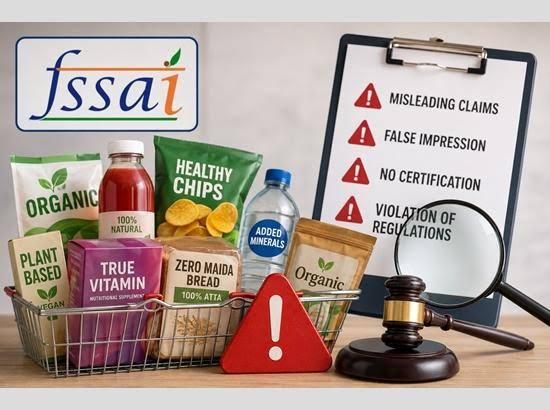
FSSAI Tightens Oversight of Food Labels
Food labels and product claims help consumers make informed decisions. As more consumers seek products marketed as “healthy,” c” “vegan,” and “zero maida,” food companies increasingly use these terms to attract buyers. To ensure that such claims remain accurate and transparent, the Food Safety and Standards Authority of India (FSSAI) has stepped up its scrutiny of food labels and marketing practices.
As part of this effort, FSSAI has issued notices to 14 food business operators (FBOs) for allegedly using misleading brand names, trade names, taglines, and product claims that may violate the Food Safety and Standards Act, 2006.
The companies that received notices include Emami Healthy & Tasty, Health Aid, Troovy, The Healthy Factory, Healthy Master, Healthy Choice, Plan B, Neuherbs, Organic Wisdom, Shine Organic, Two Brothers Organic Farms, World of Organic, Storia, and Iota Water. According to the regulator, some of these names and claims may create a misleading impression about a product’s health benefits, composition, vegan status, or organic certification. FSSAI has directed the companies to comply with food labelling and display regulations to prevent consumer deception.
Health-Related Claims Come Under Scrutiny
Several notices focus on the use of terms such as “healthy,” “true vitamin,” and “zero maida.” FSSAI questioned The Healthy Factory’s “Zero Maida Whole Wheat Bread” and “Zero Maida Pizza Base,” stating that these claims could mislead consumers and may not comply with applicable regulations.
The regulator also flagged Neuherbs’ “True Vitamin” product range. According to FSSAI, the term “True Vitamin” is neither defined nor recognised under existing regulations and may therefore confuse consumers.
Similarly, FSSAI examined Troovy’s “Healthy Mix Veggie Chips,” “Healthy Ragi Chips,” and “Healthy Moong Dal Chips.” The regulator noted that companies should ensure that “healthy” claims accurately represent the nature and composition of their products. In addition, FSSAI raised concerns about Healthy Master’s tagline “Vision to Serve Healthy,” Healthy Choice’s “Healthy Food for Healthy Life Poha,” Emami Healthy & Tasty, and Health Aid, stating that these names and claims could potentially mislead consumers.
Vegan Claims Face Regulatory Review
FSSAI also reviewed claims related to vegan products. The regulator issued a notice to Plan B for marketing products as “Plant-Based Vegan.” According to FSSAI, the products had not obtained the required vegan food endorsement under the company’s licence. As a result, the claim may create the impression that the products have received official vegan certification.
The regulator’s action highlights the need for food businesses to obtain the necessary approvals before using specialised claims on product labels.
Organic Claims Require Proper Certification
FSSAI also focused on products marketed as organic. The regulator issued notices to Organic Wisdom, Shine Organic, Two Brothers Organic Farms, and World of Organic. According to FSSAI, these products lacked the certifications, endorsements, or Jaivik Bharat logo required to support organic claims. By taking action against these products, FSSAI aims to ensure that consumers can rely on organic claims backed by recognised certification systems.
Product Descriptions Also Draw Attention
Apart from health and certification claims, FSSAI also examined how some companies described their products. The regulator flagged Storia Juice Pomegranate for allegedly creating the impression that the product primarily contains pomegranate juice, even though it contains only a small percentage of pomegranate juice concentrate.
FSSAI also questioned Iota Water’s claim regarding added minerals in packaged drinking water. The regulator noted that such claims must comply with existing rules governing nutrient-related statements on food labels.
Strengthening Transparency for Consumers
Through these notices, FSSAI has reinforced the importance of accurate and transparent food labelling. The regulator has reminded food business operators that they must ensure that product names, labels, and advertisements accurately represent their products.
As consumers increasingly rely on front-of-pack claims when choosing foods, honest communication becomes essential. FSSAI’s latest action serves as a reminder that food companies must support marketing claims with appropriate evidence, approvals, and certifications wherever required. For consumers, the development highlights the importance of reading labels carefully and looking beyond promotional terms before making purchasing decisions.
Source: The Hindu