Food Manifest
Key Update
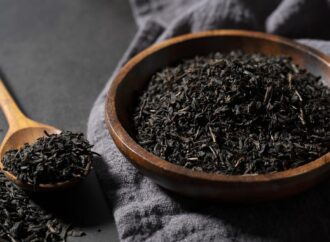
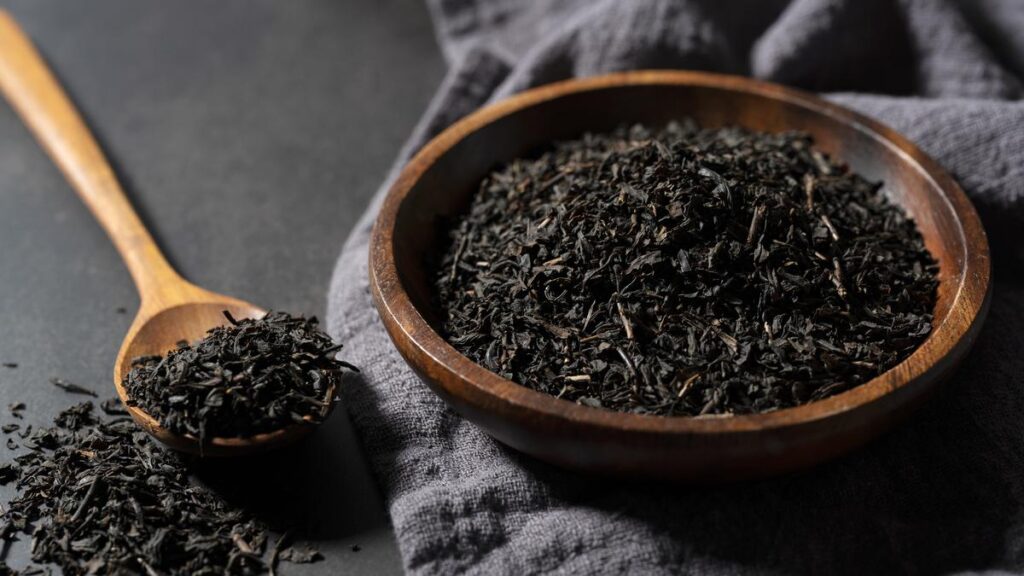
The Food Safety and Standards Authority of India (FSSAI) has proposed maximum residue limits (MRLs) for two pesticides in tea: acetamiprid and imidacloprid. The Central Government announced the proposal on October 17, 2026. Earlier, on October 16, the government published the draft Food Safety and Standards (Contaminants, Toxins and Residues) Amendment Regulations, 2026, in the Gazette of India. The draft proposes an MRL of 20 mg/kg (20 ppm) for acetamiprid and 50 mg/kg (50 ppm) for imidacloprid. These limits aim to establish clear standards for pesticide residues in tea. Moreover, they will help authorities monitor compliance and enforce food safety requirements once the government finalises the regulations.
How Do India’s Proposed Limits Compare Globally?
The proposed acetamiprid limit of 20 ppm is lower than Japan’s 30 ppm and the United States’ 50 ppm. Meanwhile, the proposed imidacloprid limit aligns with international Codex standards. MRLs specify the maximum amount of pesticide residues legally permitted in food products. To establish these limits, regulatory authorities assess pesticide residue data, dietary exposure and potential safety risks. This scientific approach helps ensure food safety and regulatory compliance.
India’s Pesticide Use Remains Below Global Average
The government release also highlighted India’s relatively low agricultural pesticide use. India uses less than 0.5 kg of pesticides per hectare, compared with the estimated global average of 2.38 kg. Furthermore, the release noted that India’s pesticide use remains lower than that of several countries, including Colombia, Brazil and the United States.
What Do the Proposed Limits Mean for the Tea Industry?
Once finalised, the proposed MRLs will provide clearer regulatory benchmarks for tea growers, processors, food businesses, testing laboratories and enforcement authorities. The limits will help standardise pesticide residue monitoring, support regulatory compliance and strengthen food safety oversight across the tea supply chain. The proposed limits remain in draft form and will become enforceable only after the government finalises and notifies the regulations.
Source: The Hindu