Food Manifest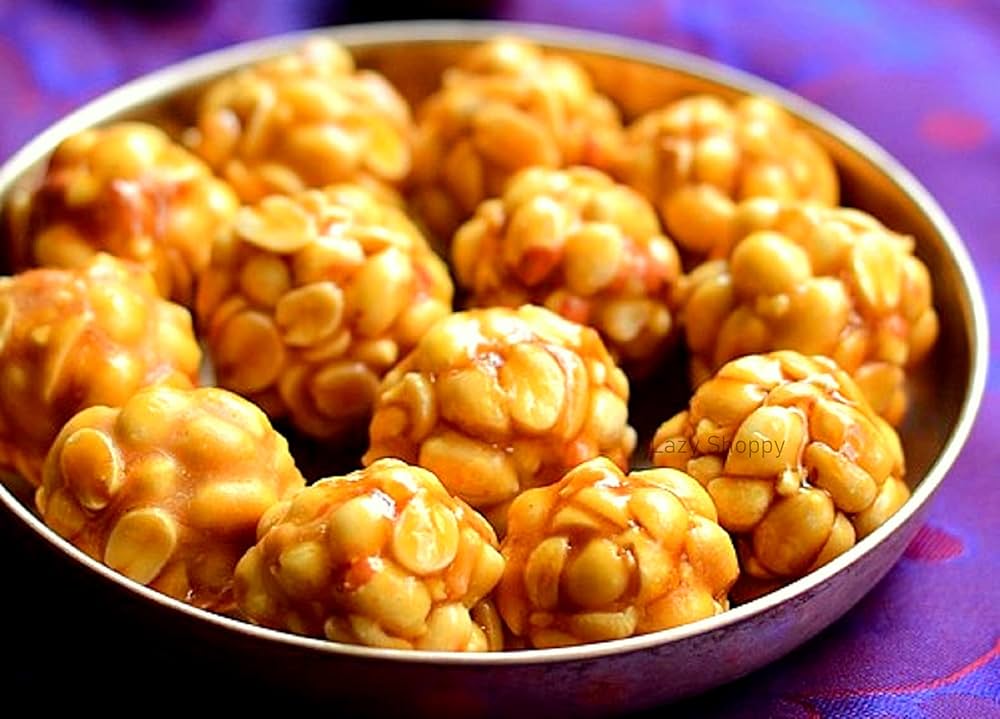
Authors: Biya V Jomon, Athira D & Sunitha Poulose
Introduction
Groundnut balls, a traditional Kerala delicacy made from groundnuts (peanuts) and jaggery, are popular for their unique flavour and texture. However, due to their high oil content and moisture from jaggery, they are particularly vulnerable to microbial contamination, especially from yeasts and moulds. Inadequate drying or improper storage conditions can result in excess moisture, which fosters the growth of these microorganisms, leading to spoilage. The thin outer shell of groundnuts offers minimal protection against external contaminants, increasing the risk of contamination during handling and storage. This points to the importance of effective storage and handling practices to ensure the safety of groundnut balls.
Objective
This study assessed microbial contamination in groundnut balls, focusing on yeast and mould growth.
Method
Researchers analysed a 250-gram sample of groundnut balls for microbial contamination. They measured the Total Plate Count (TPC) using the Bacteriological Analytical Manual (BAM, 8th Edition) and determined yeast and mould counts according to Indian Standard IS 5403. They then quantified the microbial load to assess contamination levels.
Key Findings
The microbiological analysis revealed significant contamination, with yeast and mould counts exceeding acceptable limits. Additionally, the TPC surpassed regulatory thresholds, indicating that improper storage and handling, particularly exposure to moisture during processing, contributed to microbial growth. These findings confirm that the safety and quality of the snack were compromised.
Conclusion
The study highlights the critical impact of microbial contamination on the safety and quality of groundnut balls. The high oil content, combined with moisture from jaggery, creates an environment conducive to the growth of yeasts and moulds. These microorganisms can produce harmful mycotoxins, such as aflatoxins, which pose severe health risks, including liver damage, immune suppression, and cancer. The results indicate the need for strict control measures in both production and storage processes. Ensuring proper drying of peanuts, maintaining low moisture content, and storing groundnut balls in cool, dry conditions are essential strategies for minimizing microbial growth and safeguarding consumer health.