Food Manifest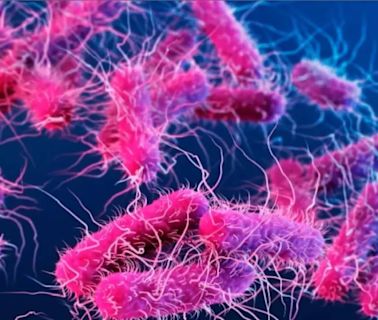
Kerala has witnessed a rise in Shigella infections over the past few weeks, prompting health authorities to strengthen surveillance, sanitation measures, and public awareness efforts across the state. As of mid-June 2026, the state has reported 135 confirmed Shigella cases and three deaths this year, with 59 cases and two deaths recorded during June alone.
The outbreak first drew widespread attention after the death of a four-year-old child in Kozhikode. Since then, cases have been reported from several districts, including Kozhikode, Wayanad, Thiruvananthapuram, Kollam, Malappuram, and Thrissur. Kozhikode has recorded the highest number of infections, while Wayanad saw multiple schoolchildren affected, leading to intensified monitoring and preventive measures.
With the onset of the monsoon season, health officials have warned that waterborne and foodborne diseases such as Shigella may spread more easily if proper hygiene and sanitation practices are not followed.
What is Shigella?
Shigella is a group of bacteria that causes an intestinal infection known as shigellosis. It is highly contagious and can spread rapidly in communities, schools, households, and other crowded settings. Unlike many other infections, Shigella requires only a very small number of bacteria to cause illness. This makes it particularly easy to spread from person to person.
How Does It Spread?
Shigella spreads primarily through the faecal-oral route, which means the bacteria enter the body through contaminated food, water, hands, or surfaces. Common routes of transmission include:
- Drinking contaminated water
- Consuming contaminated food
- Poor hand hygiene
- Contact with an infected person
- Handling food with unclean hands
The risk of transmission increases during the rainy season when water sources may become contaminated.
Symptoms of Shigella Infection
Symptoms usually appear within one to four days after exposure and may include:
- Diarrhoea, sometimes containing blood or mucus
- Fever
- Vomiting
- Stomach pain and cramps
- Nausea
- Frequent urge to defecate
- Weakness and fatigue
- Dehydration
Children, older adults, and people with weakened immune systems are at greater risk of developing severe illness.
How is Shigella Diagnosed?
Doctors usually suspect Shigella infection based on symptoms such as diarrhoea, fever, and abdominal cramps. Confirmation is typically done through laboratory testing of stool samples, which helps identify the presence of Shigella bacteria. Early diagnosis is important because it helps healthcare providers manage the illness effectively and prevent further spread of the infection.
Treatment
Most mild cases recover with adequate rest and fluids. However, severe cases may require:
- Oral rehydration solutions (ORS)
- Intravenous fluids for dehydration
- Medical supervision and hospitalisation
- Antibiotics, when prescribed by a doctor
Self-medication should be avoided, as antibiotic resistance has been reported in certain Shigella strains.
Why is the Outbreak a Concern?
Shigella spreads more easily than many other causes of diarrhoeal disease. In schools, households, and community settings, one infected individual can quickly transmit the bacteria to others if hygiene practices are inadequate. The recent cases in Kerala highlight the importance of food and water safety, as well as personal hygiene, particularly during the monsoon season, when the risk of contamination increases.
Prevention Measures
Health authorities recommend the following precautions:
- Drink boiled, treated, or purified water.
- Wash your hands thoroughly with soap before eating and after using the toilet.
- Consume food only from hygienic sources.
- Wash fruits and vegetables properly before consumption.
- Maintain clean surroundings and proper sanitation.
- Seek medical attention if diarrhoea, vomiting, or fever develops.
Key Takeaway
The recent Shigella outbreak in Kerala serves as a reminder that safe food, clean water, proper sanitation, and good hand hygiene remain the most effective defences against foodborne and waterborne diseases. Early diagnosis and prompt treatment can help prevent complications and reduce the spread of infection.