 Food Manifest

What is palm oil and why is it so controversial?
Oil palm trees produce palm oil, an edible vegetable oil that ranks as the world’s most widely consumed vegetable oil. Its low cost and versatility make it a common ingredient in thousands of everyday products, from ice cream, peanut butter, and bread to lipsticks, soaps, and detergents. Major brands, including Nestlé, PepsiCo, Hershey, Ferrero, Hindustan Unilever, Mars, and Kellogg’s, use palm oil in their products, although some have committed to sourcing certified sustainable palm oil.
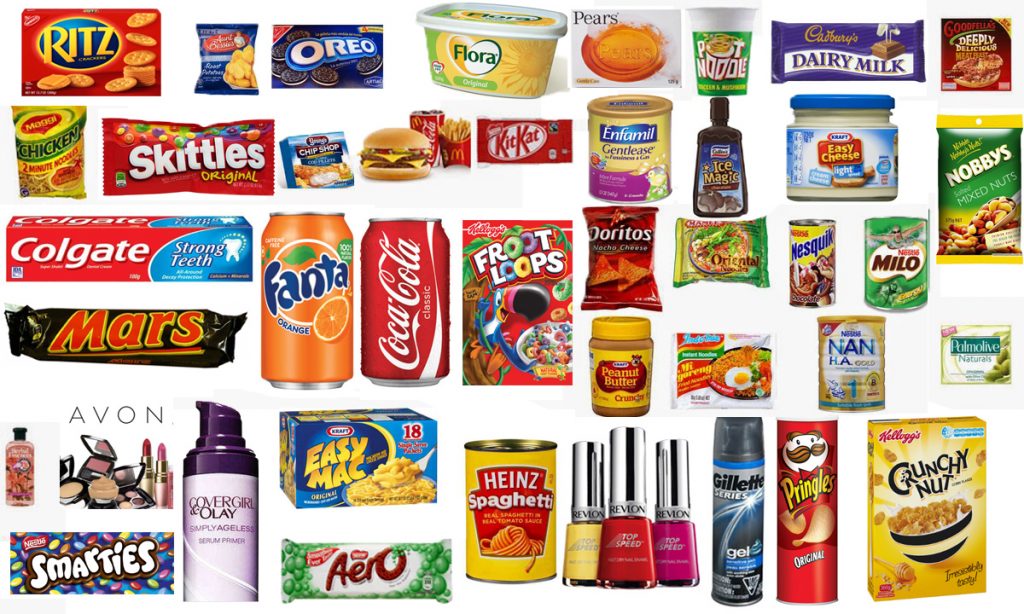
Palm oil contains a high proportion of saturated fat. However, moderate consumption does not necessarily increase cardiovascular risk. While palm oil can fit into a balanced diet, its cultivation can harm the environment and put pressure on already strained natural resources.
Palm oil’s world domination
Several factors have driven the rise in palm oil production and demand.
In Western diets, manufacturers have used palm oil to replace some less healthy fats. They have also used it as a cheaper alternative to oils in personal care and household products. Across Asia, many consumers use palm oil for cooking. Producers have kept prices low, making it an affordable and versatile ingredient.
Oil palm trees also produce fruit year-round under suitable growing conditions. They yield more oil per hectare than most other major oilseed crops. This high productivity helps growers produce more oil using less land than many alternatives.
The main issue with palm oil
Oil palm trees are grown only in the tropics and therefore require certain weather and water conditions for their cultivation. To extract this oil, the fruit is collected from oil palm trees which live for an average of 28 to 30 years. In this span, however, the trees that grow too high are cut down to make room for more trees, thereby contributing to rainforest deforestation. 8% of the world’s deforestation between 1990 and 2008 was due to huge areas of rainforest being cleared to make way for palm plantations and to meet the extraordinarily high demand for this inexpensively produced oil, resulting in the loss of habitat for already endangered species such as orangutans, pygmy elephants, and Sumatran rhinos. Besides the environmental issues, palm oil is also believed to have certain detrimental effects on human health. It increases heart risk factors in some people, increases cholesterol levels, and increases the risk of atherosclerosis.
Palm oil cultivation in the Indian scenario
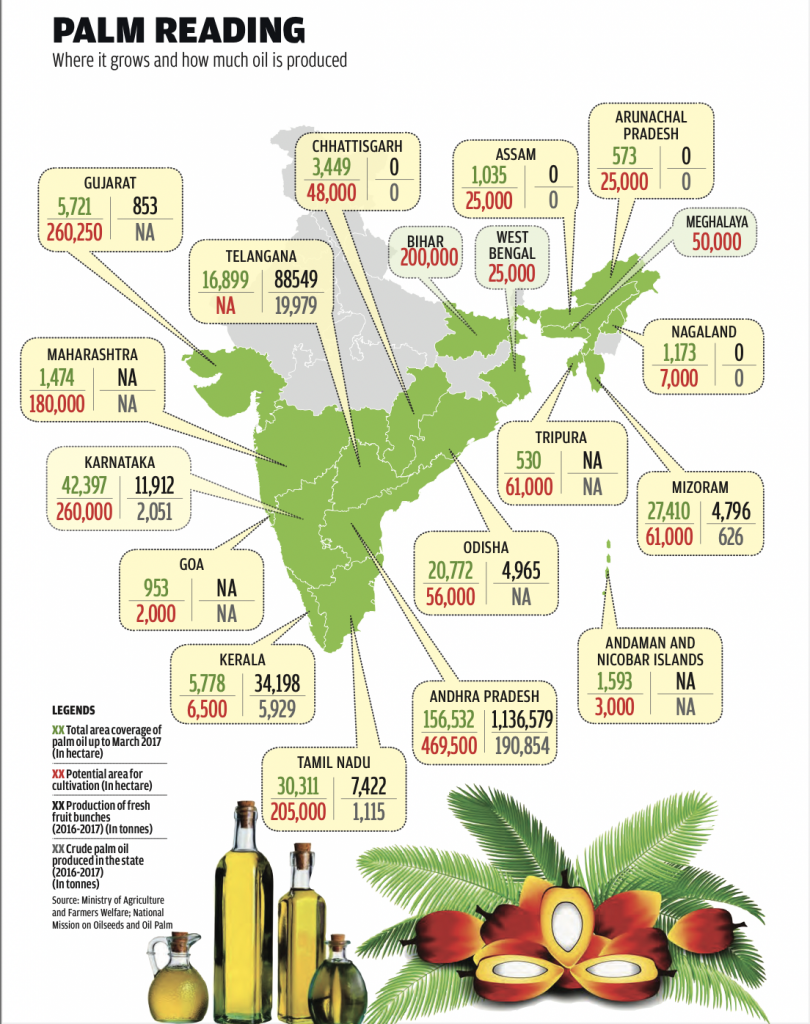
India mainly cultivates oil palm in certain northeastern and southern states, where climatic conditions support its growth. Andhra Pradesh accounts for nearly 90% of India’s palm oil production. However, the sector has seen limited growth in recent years. India’s relatively low annual rainfall, which averages just over 1,000 mm, and inadequate irrigation systems make oil palm cultivation challenging in many areas. Farmers often rely on groundwater to meet the crop’s water needs, placing additional pressure on water resources and contributing to falling water tables.
These challenges have led India to import large quantities of palm oil from countries such as Malaysia and Indonesia, where producers grow it at a low cost. Although these imports offer an affordable supply of this versatile oil to millions of consumers, the ecosystems of these Southeast Asian countries continue to bear a high environmental cost.
What are the pros of palm oil?
Oil palm ranks among the most productive oil crops because it produces more oil per unit of land than crops such as coconut and soybean. It also produces fruit throughout the year under suitable growing conditions. Researchers have found that oil palm cultivation may require fewer pesticides and fertilizers than some other crops, although requirements vary depending on farming practices.
The growing demand for palm oil also creates employment opportunities, particularly for people living in poverty in developing countries. Many growers choose this crop because its high productivity and relatively low maintenance can provide a steady source of income.
Palm oil may also offer certain health benefits. Researchers have explored its potential role in supporting heart health, improving vitamin A levels in people with a deficiency, and promoting brain health. However, these potential benefits depend on factors such as the type of palm oil, how people consume it, and their overall diet.
What is the solution?
When we consider the environmental damage caused by palm oil cultivation, we may want to eliminate it from our lives. However, replacing palm oil with other vegetable oils could worsen the problem. Oil palm produces more oil per hectare than most other oil crops. A boycott could increase demand for alternatives that require more land, potentially leading to further deforestation.
Rather than eliminating palm oil altogether, we should encourage producers to adopt sustainable farming practices. These practices should protect forests, wildlife, and natural resources. The World Wide Fund for Nature (WWF) provides a palm oil scorecard that assesses brands on their efforts to source sustainable palm oil. Consumers can use this tool to identify brands that prioritise sustainability. Companies can also use it to identify gaps in their policies, strengthen their practices, and track their progress against industry peers.
The palm oil industry still faces major sustainability challenges. Wealthy consumers benefit from inexpensive products, while producing countries bear many of the environmental costs. These include rainforest loss and the destruction of wildlife habitats. Continuing current practices could put further pressure on natural resources and threaten endangered species.
As conscious consumers, we can support brands that source sustainable palm oil and follow environmentally responsible practices. Individual choices alone cannot solve the problem. However, they can encourage companies to improve their sourcing methods and help move the industry towards a more sustainable future.
In the words of Kris Carr, “Adversity is a call to action, and your freedom lies in taking the first step. Don’t worry about the entire staircase, just take one step, and then tomorrow take another.”










Leave a Comment
Your email address will not be published. Required fields are marked with *