Food Manifest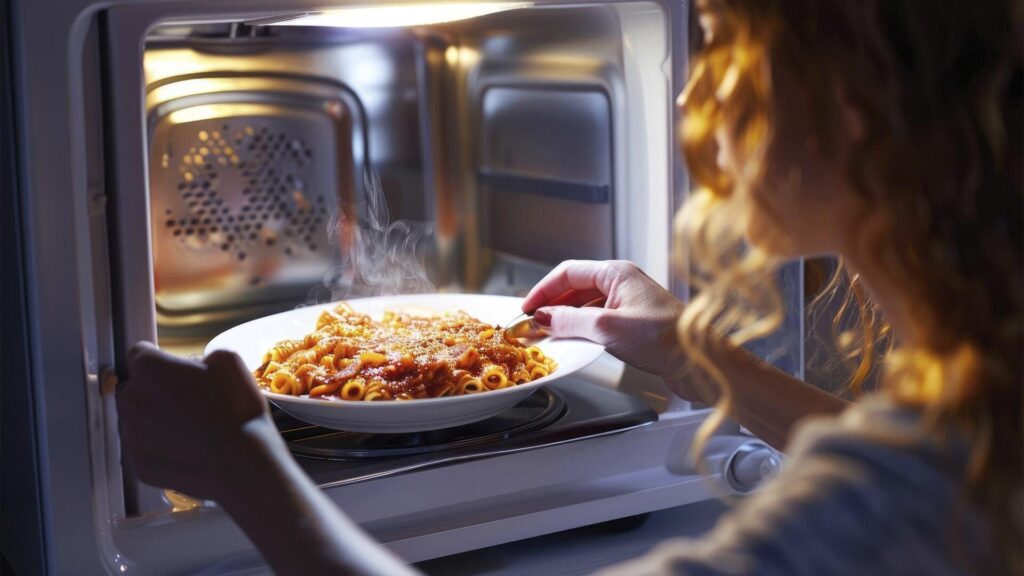
Reheating leftover food is a common household practice, but it may not always make food safe to eat. According to Dr Priyam Bordoloi, reheating food left at room temperature overnight cannot reverse the risks associated with improper storage.
The warning follows the case of a young woman who was hospitalised after eating pasta that had been left on her kitchen counter overnight and reheated in a microwave the next day. Within hours of consuming the meal, she developed severe vomiting. The illness progressed rapidly, causing significant dehydration and a dangerous drop in blood pressure that required intensive medical care.
How Improper Storage Increases Food Safety Risks
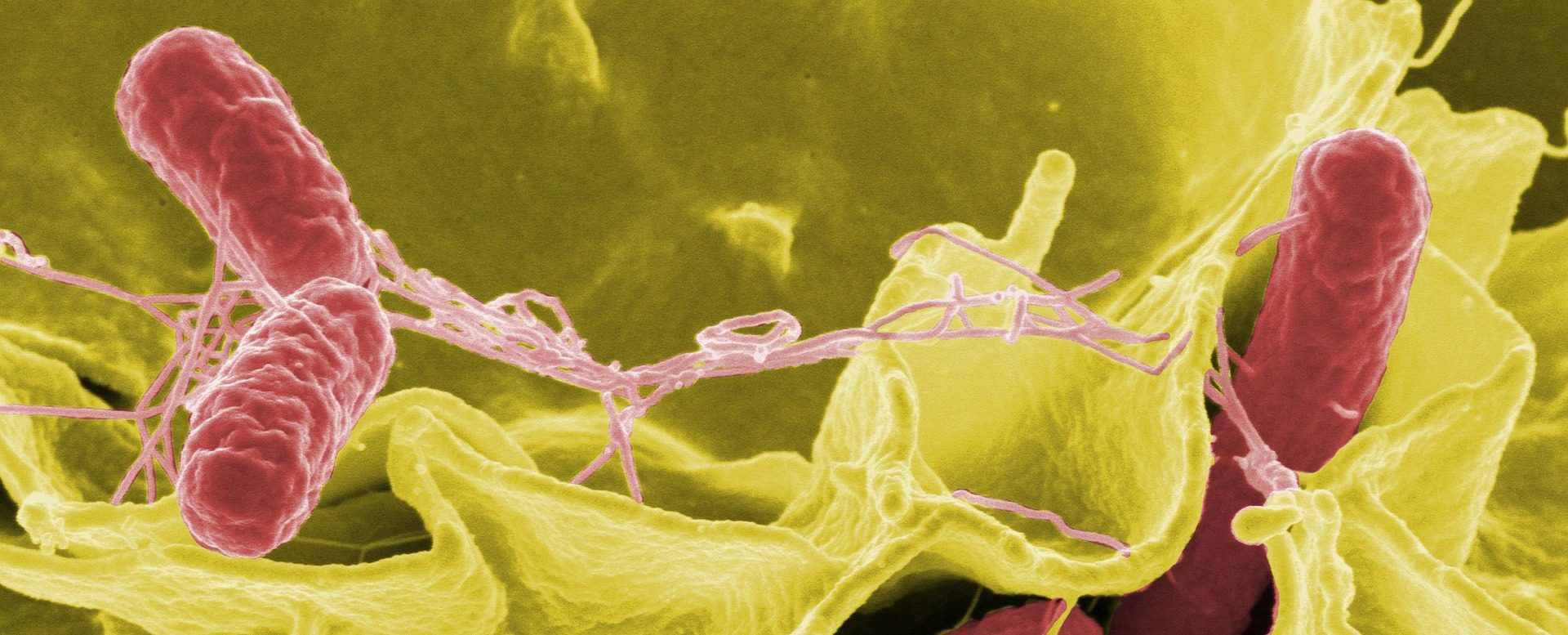
Dr Bordoloi explained that cooked starchy foods such as rice, pasta, and noodles can become a breeding ground for Bacillus cereus if they are left unrefrigerated for several hours.
The bacterium forms spores that can survive cooking. When cooked food remains at room temperature, these spores can germinate, multiply, and produce toxins capable of causing food poisoning. Illness caused by Bacillus cereus typically develops suddenly and may include vomiting, diarrhoea, abdominal cramps, and dehydration.
Why Reheating Cannot Always Prevent Food Poisoning
While reheating can destroy many bacteria, it does not always eliminate the toxins they produce. According to Dr Bordoloi, Bacillus cereus can produce cereulide, a heat-stable toxin that remains active even after food is reheated. As a result, microwaving or reheating contaminated leftovers may kill the bacteria but cannot destroy toxins that have already formed. This means food that appears hot and freshly reheated may still be unsafe if it was stored improperly.
How to Store Leftovers Safely
Food safety experts recommend:
- Refrigerating cooked food within two hours of cooking, or within one hour if the ambient temperature exceeds 32°C.
- Storing leftovers in shallow containers so they cool quickly.
- Keeping refrigerated leftovers at safe temperatures until they are reheated.
- Discarding food that has been left at room temperature for several hours instead of attempting to make it safe by reheating.
Food Safety Starts with Proper Storage
Experts emphasise that safe food handling begins immediately after cooking. Prompt refrigeration slows bacterial growth and helps prevent the formation of heat-stable toxins. Once these toxins develop, reheating—even in a microwave—cannot make the food safe again. The incident serves as a reminder that proper storage, rather than reheating alone, is essential to preventing foodborne illness.
Source: Mathrubhumi