 Food Manifest

Harmful Adulterants and Cheap Substitutes in Papad
Papad, also known as papadam, is a staple in many Indian diets, but it may not be as safe as we think. Investigations by a leading Malayalam daily uncovered adulterants such as engine oil and washing powder. Reports have also raised concerns about the formation of the carcinogen benzene from the ingredient sodium benzoate.

Papad has a significant presence across India, with the market reportedly valued at approximately ₹1,000 crore. Traditionally, small-scale individual producers and organised businesses manufactured papad on a limited scale. However, modern technology has transformed the industry. Although food adulteration may seem unlikely in such an inexpensive and common food item, media reports paint a different picture.
Papad is a seasoned flatbread made from dried dough containing black gram flour (uzhunnu maavu). People typically fry it in oil or cook it using dry heat. Rising ingredient prices have reportedly pushed some manufacturers towards illegal cost-cutting practices. Investigations uncovered harmful adulterants, including two-stroke engine oil and washing powder.
Some manufacturers have also reportedly replaced black gram flour with cheaper alternatives such as maida. Excessive consumption of refined flour may contribute to weight gain. Reports have also identified palm oil in papad production. Some studies have linked palm oil consumption to an increased risk of heart disease.
Past Raids Reveal Papad Manufacturing Violations
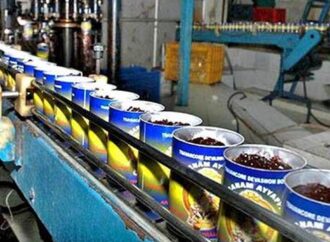
Journalists also investigated mechanised papad production. They found that some manufacturers used plastic materials that failed to meet food-grade standards. The state government had banned these materials for failing to meet the required standards.
An informant involved in the investigation claimed that adulterated papad could remain unspoiled for up to three months. The informant also claimed that the papad retained its original colour. In comparison, regular papad typically stayed fresh for only 8–10 days.

Papad adulteration is not a new concern. In an earlier incident, the Commissioner’s Task Force and Food Safety Department officials raided manufacturing units in Vijayawada, Andhra Pradesh. They found that manufacturers used poor-quality black gram powder and sodium carbonate. These ingredients reportedly helped papads cook more quickly and easily.















Leave a Comment
Your email address will not be published. Required fields are marked with *