Food Manifest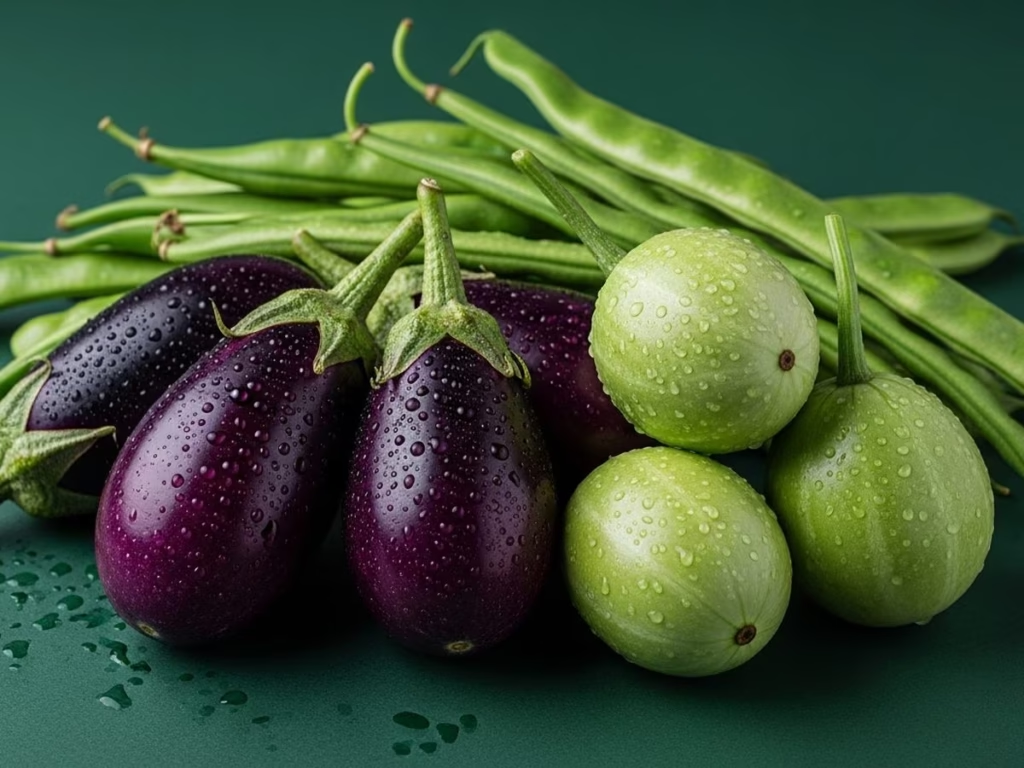
Significant Update
A fresh investigation by the Central Pollution Control Board (CPCB) has confirmed concerns first raised in 2023 by the Environment Management and Policy Research Institute (EMPRI): vegetables grown and sold in and around Bengaluru contain dangerous levels of lead and pesticide residues. The CPCB submitted its findings to the National Green Tribunal (NGT), which had taken suo motu cognisance of the earlier EMPRI study and directed authorities to assess the ground reality. The latest report makes it clear that contamination persists — and even products marketed as “organic” are affected.
Lead Levels Breach Safety Limits
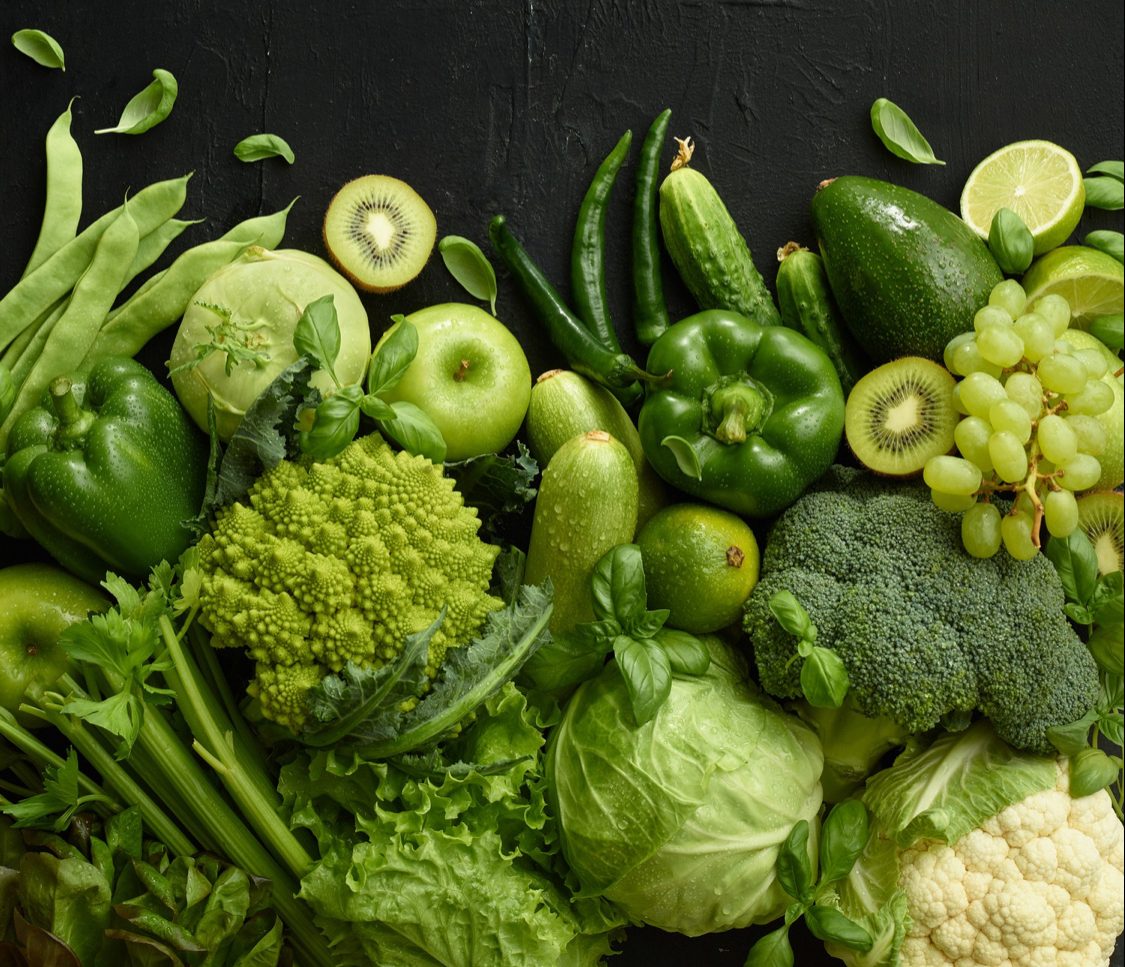
A five-member CPCB committee collected 72 vegetable samples from markets and farms in Nelamangala, Rajajinagar, Kolar and Chikkaballapur. FSSAI-approved laboratories analysed the samples and found that 19 exceeded the permissible lead limits set under the Food Safety and Standards Regulations (FSSR). An organic brinjal sample showed 1.953 mg/kg of lead — nearly 20 times the safe limit of 0.1 mg/kg. Little gourds (tondekai) recorded lead levels 18 times above the standard, while flat beans contained nine times the permissible limit. Leafy greens and cabbage carried lead concentrations five times higher than allowed.
Tests also flagged contamination in cucumber, ridge gourd, capsicum, beetroot, bitter gourd, turnip, squash and chilli bajji. Unlike the 2023 EMPRI study, which identified multiple heavy metals, the CPCB report narrowed the primary metallic contaminant to lead.
Soil Samples Reveal Deeper Environmental Damage
The committee did not restrict its assessment to vegetables. It collected 26 soil samples from 13 locations across Kolar, Chikkaballapur and Nelamangala and found contamination in 23 of them. These findings suggest a systemic environmental problem that could affect cultivation over the long term. Farmers in peri-urban belts, facing recurring drought and declining groundwater levels, increasingly depend on secondary-treated urban wastewater for irrigation. Experts warn that prolonged exposure to such water accelerates heavy metal buildup in soil and crops.
Banned and High-Risk Pesticides Detected
In addition to lead, the investigation detected residues of 12 pesticides above FSSR limits. Capsicum, chilli bajji, ginger and cucumber emerged as major carriers. Most concerning was the detection of monocrotophos, a highly toxic organophosphate banned in India in 2023 after a one-year grace period. Chilli bajji samples contained more than double the permissible limit. The report also identified acephate, ethion, fipronil and profenofos — chemicals banned in the European Union due to their toxicity. Their presence points to either the continued use of old stocks or gaps in enforcement.
Limited Coverage, Wider Implications
Officials clarified that the probe covered selected vegetable-growing belts and excluded some southwestern outskirts of Bengaluru. A CPCB committee member described the findings as a starting point rather than a complete contamination map and called for comprehensive, regular studies led by agriculture departments and universities. The report recommends sustained monitoring, stricter enforcement, and awareness programmes to educate farmers about safe pesticide practices and the risks of contaminated soil.
NGT to Examine Report; Stronger Oversight Urged
The NGT will review the findings in the coming proceedings. The report underscores the urgent need to strengthen surveillance across the farm-to-market chain. Experts warn that if contamination levels run this high in surveyed pockets, unsupervised regions may face equal or greater risks. The message is unequivocal: authorities must integrate food safety into every stage of the system — from soil and irrigation water to markets and, ultimately, the consumer’s plate.
Source: Deccan Herald