Food Manifest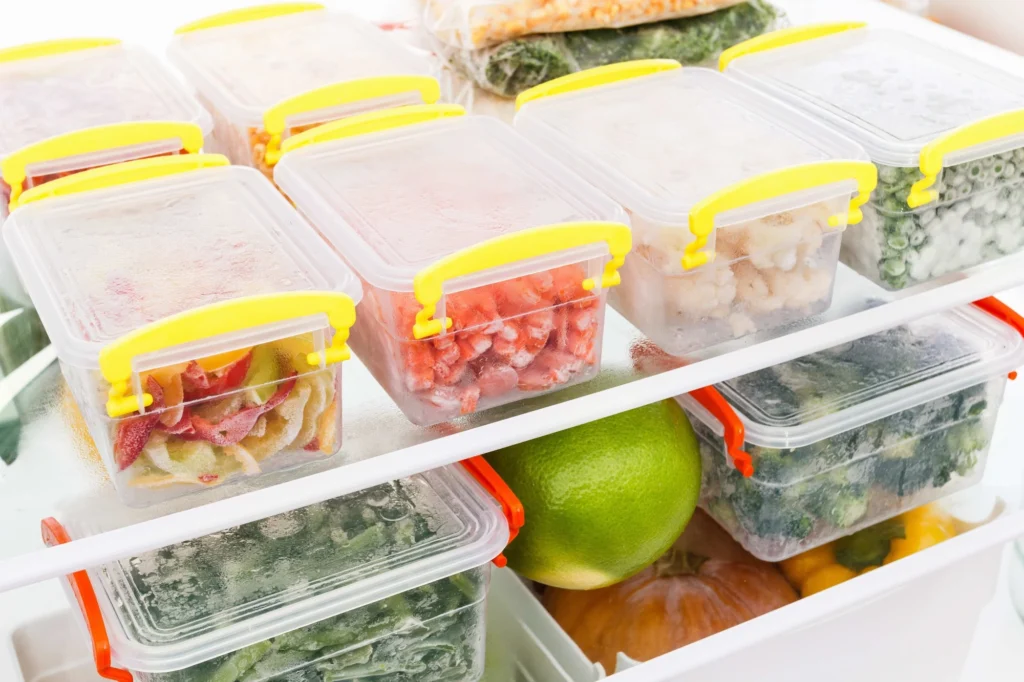
Overview
Keeping leftovers in the fridge is common worldwide, but it can sometimes be risky. Primrose Freestone, a microbiologist at the University of Leicester, explains the dangers and how to prevent them.
Why leftovers can be risky:
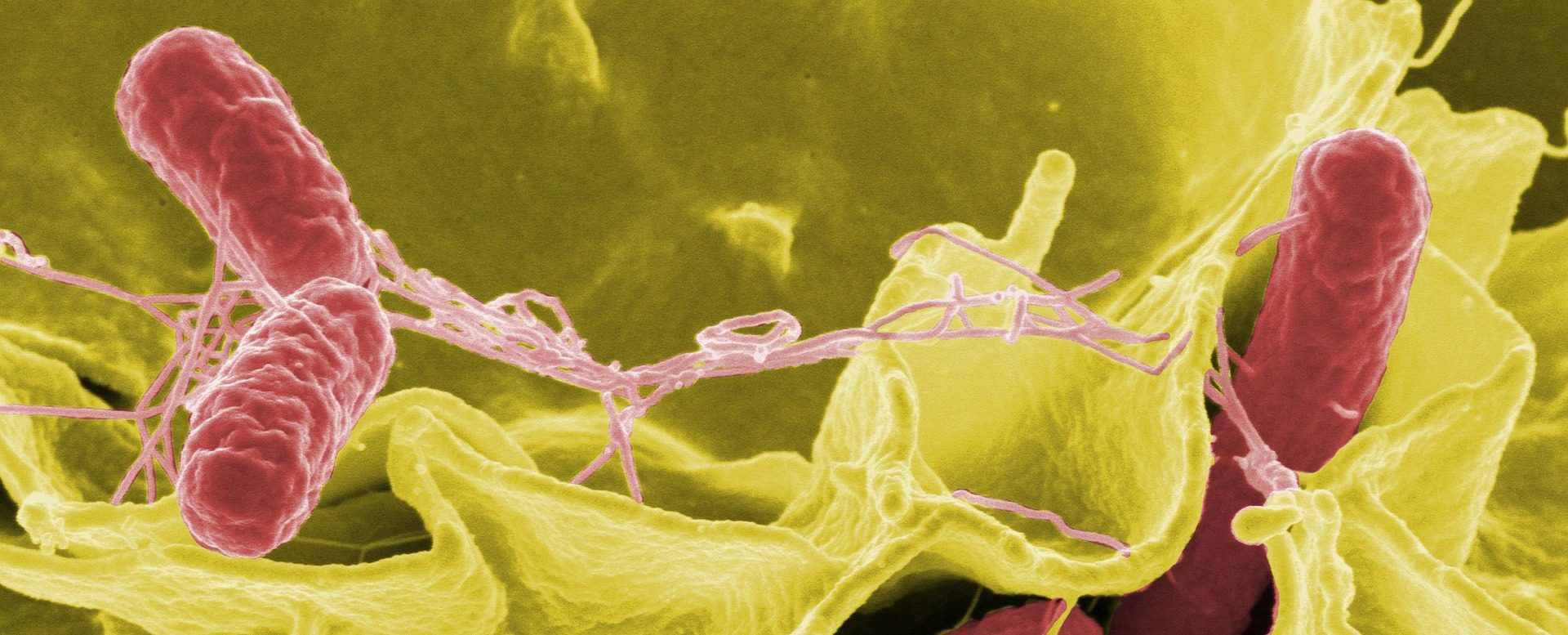
- Food poisoning happens when food is contaminated with harmful bacteria, fungi, or viruses.
- Bacteria multiply quickly between 4°C and 60°C, so perishable foods shouldn’t sit at room temperature for more than 2 hours.
- Improperly stored leftovers are a major cause of foodborne illness, even if the food was cooked well.
Tips for storing leftovers safely:
- Cooked food: Refrigerate within 2 hours of cooking, or within 1 hour if the temperature is above 32°C.
- Pizza: Refrigerate within 2 hours of delivery, cover, and eat within 2 days.
- Chicken: Only save properly cooked chicken. Do not keep it if there’s any trace of blood. Store in the fridge for up to 3 days.
- Rice: Cool cooked rice quickly, cover, and refrigerate for no more than 24 hours. lwef] may contain heat-resistant spores of Bacillus cereus.
- Canned food:
- High-acid foods (like tomatoes) – refrigerate 5–7 days
- Low-acid foods (meat, fish, vegetables, pasta) – refrigerate up to 3 days
Extra caution:
- Dried herbs and spices (like basil, pepper, and oregano) can also carry bacteria if improperly stored.
Key takeaway
Always handle and store leftovers carefully to prevent food poisoning. Use shallow containers, refrigerate promptly, and consume within recommended times.
Source: NDTV