Food Manifest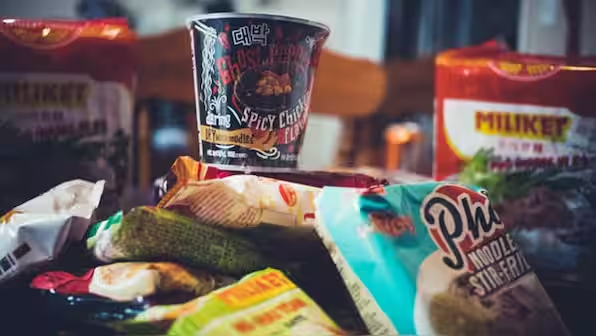
On busy weekday mornings, many people barely have time to chop vegetables or cook elaborate meals. Opening a packet, adding hot water or reheating food from the freezer often becomes the easiest solution. Ready-to-eat foods, once considered a compromise, are now becoming a regular part of everyday diets. This shift reflects a broader change, driven by advances in food technology that are transforming how food is processed, preserved and consumed.
From freeze-dried fruits to protein-rich instant meals, newer products aim to combine convenience with better nutrition and longer shelf life. Many of these technologies extend freshness without heavy reliance on preservatives or constant refrigeration. As a result, they can also help reduce food waste and energy use. However, as packaged foods evolve and gain popularity, an important question remains: are they truly becoming healthier, or simply better marketed?
Food science behind the shift
Technologies such as freezing, freeze-drying and extrusion play a key role in modern food processing. These methods help preserve food while retaining a significant portion of its nutrients.
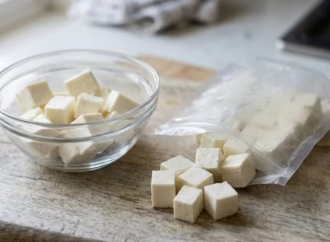
Freezing, especially when done soon after harvest, helps lock in vitamins and minerals and slows down spoilage. Freeze-drying goes a step further by removing water from food at very low temperatures. Because this process avoids high heat, it helps protect delicate nutrients and maintain the food’s structure and flavour.
Extrusion is another widely used technique, particularly in ready-to-eat cereals and snacks. It exposes food to high temperature and pressure for a very short time. The brief processing period helps reduce nutrient loss, and in some cases can even improve the body’s ability to absorb certain nutrients.
Nutrition: better, but not perfect
Many ready-to-eat products now promote their protein and fibre content, giving the impression of improved nutrition. While some products do offer better nutrient profiles, the reality is more complex.
Different processing methods affect nutrients in different ways. Heat-based processing can lead to some nutrient loss, while freeze-drying and high-pressure processing tend to preserve more nutrients. In many cases, a large portion of nutrients can remain intact after processing.
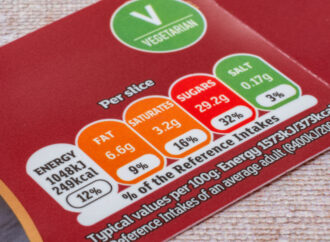
However, the final nutritional value also depends on the ingredients added during production. Some ready-to-eat foods contain added sugar, flavour enhancers or coatings. When such additives are present in large amounts, the product may not offer significant health benefits compared to other processed foods.
Looking ahead
Researchers are now exploring newer technologies that preserve food with minimal processing. Techniques such as cold plasma and high-pressure processing aim to ensure safety while maintaining nutritional quality.
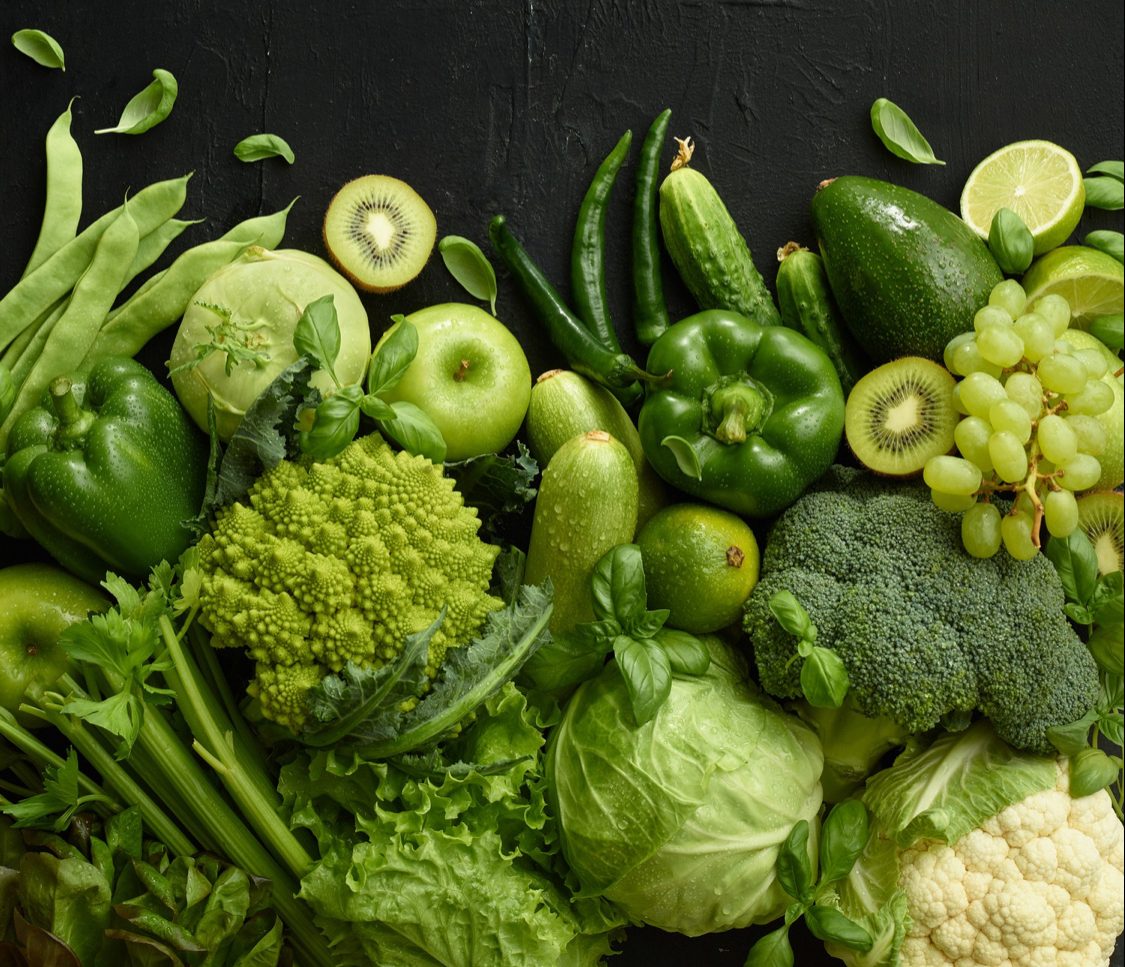
At the same time, scientists are exploring food valorisation —turning food waste such as peels and seeds into useful ingredients. As food technology continues to evolve, ready-to-eat products may become more efficient and nutritious. Yet experts agree that while technology can enhance food, it cannot fully replace the benefits of fresh and balanced diets.
Source: Deccan Chronicle