Food Manifest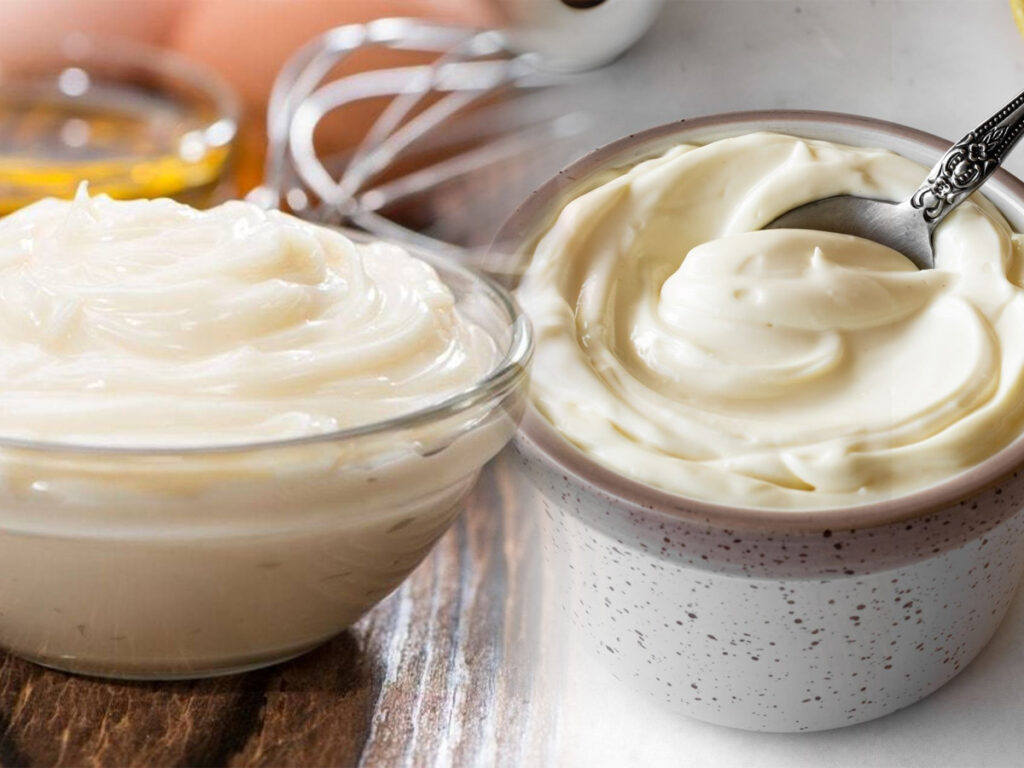
Key Update
The Tamil Nadu government has extended the ban on mayonnaise made from raw eggs for another year, effective from April 8. Authorities continue to restrict its manufacture, processing, packaging, storage, transportation, distribution, and sale across the state. The government had first imposed this ban last year to address growing food safety concerns. Officials issued the latest notification under the Food Safety and Standards Act, 2006, reinforcing the state’s commitment to preventing foodborne illnesses.
Why Raw Egg Mayonnaise Is High Risk
Mayonnaise is a semi-solid emulsion typically made using egg yolk, vegetable oil, vinegar, and seasonings. It is widely served with foods like shawarma and other fast-food items. However, when prepared using raw eggs, it becomes a high-risk product. Raw egg mayonnaise can carry harmful pathogens such as Salmonella (including Salmonella typhimurium and Salmonella enteritidis), Escherichia coli, and Listeria monocytogenes. These microorganisms can cause serious foodborne infections, particularly when food is prepared or stored under unsafe conditions.
Focus on Prevention and Safer Alternatives
Since mayonnaise does not undergo cooking after preparation, it does not eliminate these pathogens. In warm climates, improper storage can further accelerate bacterial growth, increasing the risk of contamination. By extending the ban, authorities aim to reduce the risk of food poisoning and encourage food businesses to adopt safer alternatives, such as eggless or pasteurised mayonnaise. The move also reinforces the importance of safe ingredient selection, proper handling, and strict hygiene practices in food service operations.
Source: The Hindu