Food Manifest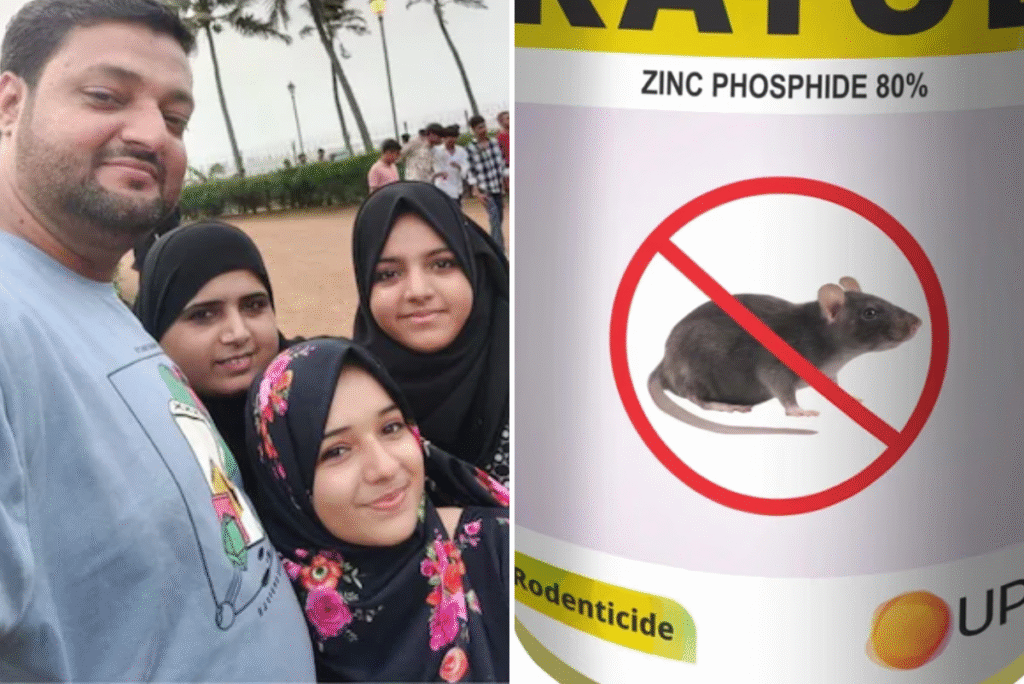
Key Update
A shocking twist has emerged in the deaths of a family of four in Mumbai after forensic investigators confirmed that the victims did not die from ordinary food poisoning. Investigators found traces of zinc phosphide, a highly toxic chemical commonly used in rat poison, in both the victims’ bodies and the watermelon they consumed. Authorities have now launched a detailed investigation to determine whether the contamination occurred accidentally during storage or handling, or if someone deliberately tampered with the fruit.
Family Fell Ill Hours After Eating Watermelon
The deceased were identified as Abdullah Dokadia (45), his wife Nasreen (35), and their daughters Zainab (13) and Ayesha (16). The family had hosted relatives for dinner at their Mumbai residence, serving mutton pulao during the gathering. According to investigators, the relatives who attended the dinner remained unharmed. After the guests left, the family reportedly ate watermelon around 1 am. By early morning, all four developed severe vomiting and diarrhoea. Their health deteriorated rapidly, and they died within hours.
Postmortem Findings Raised Early Suspicion
Doctors reportedly noticed unusual greenish discolouration in internal organs, including the brain, heart, and intestines, during the postmortem examination. Experts often associate such findings with poisoning cases. Investigators also reportedly detected traces of morphine in Abdullah Dokadia’s body, adding another layer of mystery to the incident.
Investigation Focus Shifts to Possible Poisoning
Police initially treated the case as an accidental death because relatives who consumed the same dinner showed no symptoms. However, the latest forensic findings shifted the investigation’s focus entirely toward the watermelon consumed later that night. Authorities are now examining multiple angles, including accidental contamination from pest control chemicals, improper storage practices, or intentional poisoning.
Source: Foodtech Network